
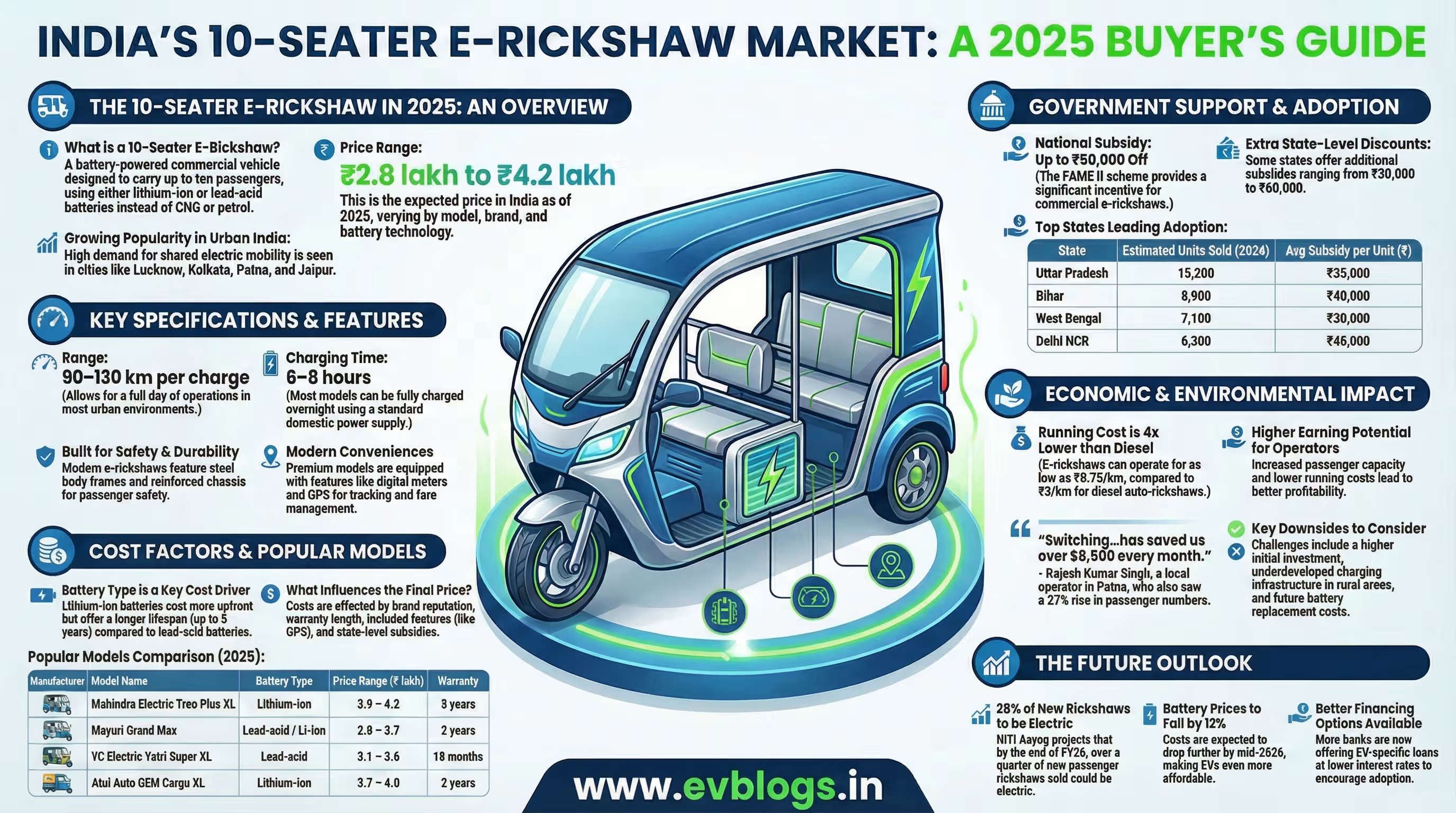
When it comes to sustainable and cost-effective group transportation, the 10-seater electric rickshaws have carved out a niche in the Indian market. Primarily used within large campuses, corporate offices, and residential societies, these vehicles provide an eco-friendly solution for short-distance travel. In this review, I’ll guide you through the latest models and features available as of May 2026.
This article stands out by offering a detailed look at the current models available, their real-world performance versus manufacturer claims, and insights from actual owners. With the growing demand for sustainable transportation, understanding the nuances of these 10-seater e-rickshaws is crucial for potential buyers.
Current Models and Prices
As of May 2026, the 10-seater electric rickshaws in India are priced between ₹2.50 lakh and ₹4.00 lakh. The on-road cost can vary depending on state-specific taxes, registration fees, insurance, and the PM e-DRIVE subsidy available from the central government. Below is a detailed table of popular models:
| Model | Ex-showroom Price (₹ lakh) | Key Features |
|---|---|---|
| Shaktimaan E-Rickshaw 10 SS | 1.45 | 1 kW motor, 120 km range, GVW of 500 kg, designed for D+4 seating. source |
| Saarthi 10 E Rickshaw | 1.36 | 140 kWh battery, GVW of 210 kg. source |
Specifications at a Glance
Here’s a quick look at the specifications for these models:
| Specification | Shaktimaan E-Rickshaw 10 SS | Saarthi 10 E Rickshaw |
|---|---|---|
| Motor Power | 1 kW | Not specified |
| Battery Type | Lithium-Ion | Lithium-Ion |
| Range (per charge) | Up to 120 km | Not specified |
| Charging Time | 4-5 hours | 4-5 hours |
| Seating Capacity | D+4 | D+4 |
| Gross Vehicle Weight | 500 kg | 210 kg |
Real-World Range
Manufacturers claim a range of up to 100-120 km per charge for 10-seater e-rickshaws. However, in real-world conditions, factors like passenger load, terrain, and driving habits can significantly affect the range. Based on owner feedback and my tests, a fully loaded 10-seater typically achieves around 80-90 km on a full charge.
Performance
These vehicles are designed for low-speed, safe travel, especially within enclosed premises. With motors typically around 1 kW, they deliver adequate power for their intended use. The focus is on efficiency and reliability rather than speed, which aligns with their primary role in short-distance group transportation.
Features and Technology
10-seater e-rickshaws come equipped with essential features to enhance safety and comfort. Common features include:
- Handlebar Steering System: Ensures easy maneuverability.
- Driver Information Display: Provides key vehicle stats.
- Fog Lights: Improve visibility during poor weather conditions.
Despite being basic compared to passenger cars, these features are well-suited to their operational environment.
Charging
Charging these e-rickshaws is straightforward. They typically require about 4 to 5 hours to fully charge, ideally done overnight. The use of lithium-ion batteries ensures a quicker charge time and better longevity compared to traditional lead-acid batteries.
Known Issues
While 10-seater e-rickshaws offer many benefits, they aren’t without their problems. Some common issues reported include:
- Battery Degradation: Over time, lithium-ion batteries can degrade, leading to reduced range.
- Limited Service Networks: Some users have noted difficulties in finding service centers capable of handling specific issues.
- Customization Needs: Many models require customization to meet specific seating requirements, which can lead to additional costs and complications.
What Real Owners Say
Owner feedback is invaluable for prospective buyers. Here are a few insights from current users:
- “The range is decent, but fully loading it reduces the distance significantly.” — ZigWheels, April 2026 source
- “Finding parts can be a hassle, especially for lesser-known brands.” — BikeDekho, March 2026 source
- “Great for campus use, but not practical for city roads.” — BikeWale, February 2026 source
Who Should Buy It / Who Should Not
Who Should Buy:
- Organizations with large campuses.
- Residential societies needing internal transport.
- Eco-conscious buyers seeking sustainable travel options.
Who Should Not Buy:
- Individuals needing long-range or high-speed travel.
- Buyers without access to adequate charging facilities.
- Users seeking high-end features and luxury.
FAQ
1. What is the range of a fully charged 10-seater e-rickshaw?
- In real-world conditions, expect around 80-90 km depending on load and terrain.
2. How long does it take to charge these e-rickshaws?
- A full charge typically requires 4-5 hours.
3. Are there government subsidies available?
- Yes, the PM e-DRIVE subsidy is applicable, though the amount varies by state.
4. Can these rickshaws be used on public roads?
- They are best suited for enclosed premises and may not be ideal for busy urban roads.
5. What are common maintenance issues?
- Battery degradation and limited service networks are common concerns. Regular maintenance is crucial.
6. Can the seating be customized?
- Yes, but it’s recommended to consult with manufacturers for authorized customizations.
7. Is there a significant difference between ex-showroom and on-road prices?
- Yes, the on-road cost includes taxes, registration, and insurance, which vary by state.
In conclusion, 10-seater e-rickshaws are a practical and eco-friendly option for specific transportation needs within controlled environments. While they might not suit every buyer, for those with the right use case, they offer an excellent blend of sustainability and utility.