
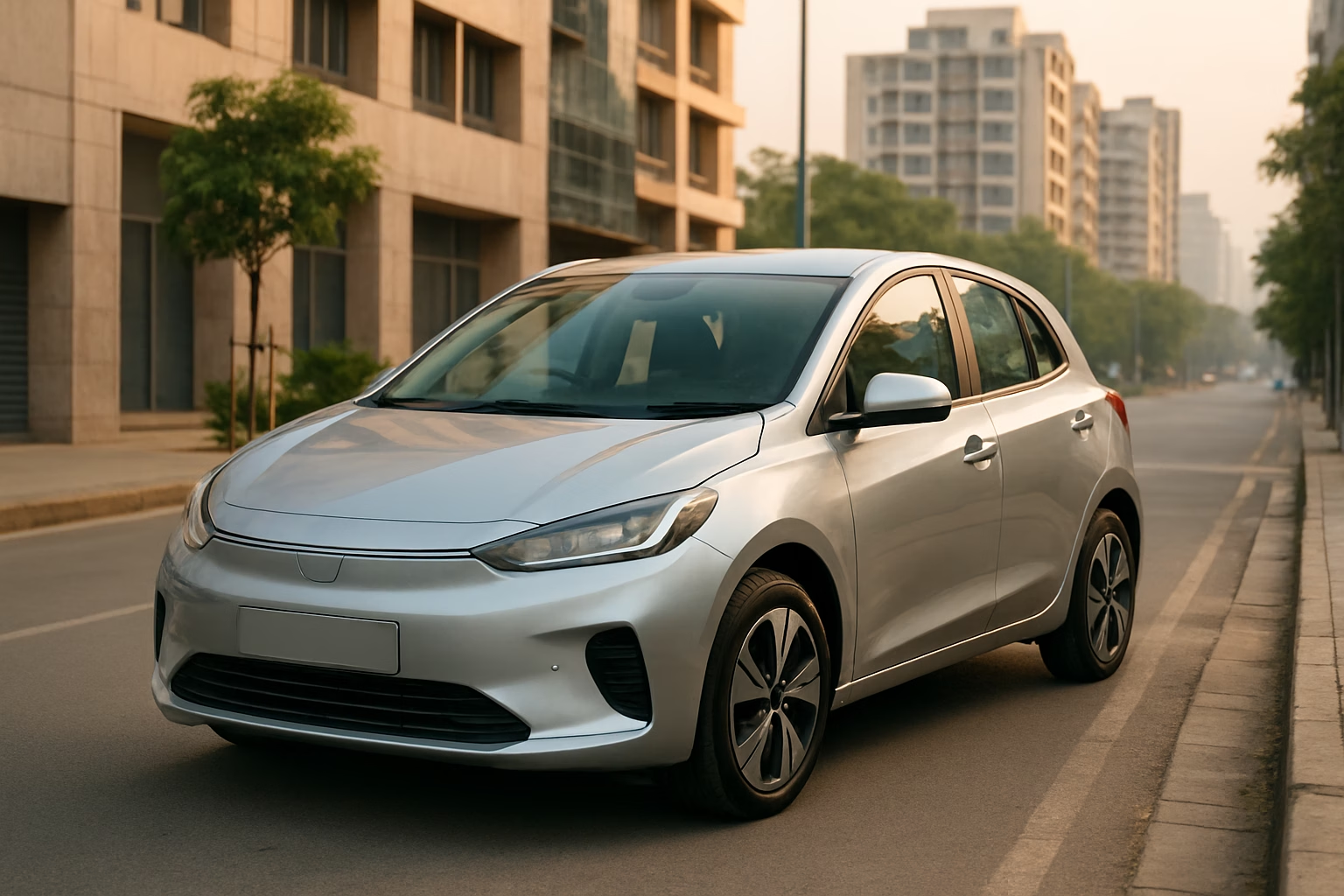
Navigating the electric vehicle (EV) landscape in India as of May 2026 can be quite the adventure. With a growing array of options spanning different price points, choosing the right EV can be a daunting task. This guide aims to demystify the current market by providing a comprehensive overview of the latest electric vehicle costs, offering a detailed look at the most popular models, their pricing structures, and what you can expect in terms of performance and features.
What’s New in 2026?
The EV market has seen substantial changes, with manufacturers rolling out updates to existing models and introducing new ones. These changes are primarily driven by advancements in battery technology, the need for more sustainable transportation options, and consumer demand for affordable yet feature-rich vehicles.
MG Comet EV has remained a popular choice among urban commuters, thanks to its compact design and tech-loaded interiors. Meanwhile, the Tata Tiago EV continues to appeal to budget-conscious buyers looking for a practical, city-friendly vehicle. The Tata Punch EV has undergone a facelift, boasting a larger battery pack and updated styling, making it a strong contender in the compact SUV segment.
Variants and Prices as of May 2026
To better understand the pricing spectrum, here is a detailed table of popular EV models in India:
| Model | Ex-Showroom Price | Estimated On-Road Price | Overview |
|---|---|---|---|
| MG Comet EV | ₹7.00 Lakh | ₹7.50 Lakh | Ideal for urban commuting with a compact design. source |
| Tata Tiago EV | ₹7.99 Lakh | ₹8.50 Lakh | Budget-friendly hatchback with practical range. source |
| Tata Punch EV | ₹9.69-₹12.59 Lakh | ₹10.15-₹13.48 Lakh | Compact SUV with larger battery and updated styling. source |
| Maruti Suzuki e Vitara | ₹15.99-₹20.01 Lakh | ₹17.50-₹22.00 Lakh | Modern features in a reliable compact SUV. source |
| Mahindra XEV 9e | ₹21.90-₹31.25 Lakh | ₹23.50-₹33.50 Lakh | Premium SUV with multiple variants and features. source |
Specs at a Glance
Here’s a quick look at the specifications that define these vehicles:
| Model | Battery Capacity | Motor Power | Charging Time | Boot Space |
|---|---|---|---|---|
| MG Comet EV | 20 kWh (est.) | 50 hp (est.) | 6-8 hours | 250 liters (est.) |
| Tata Tiago EV | 24 kWh (est.) | 75 hp (est.) | 6-8 hours | 242 liters |
| Tata Punch EV | 40 kWh | 90 hp (est.) | 8-9 hours | 366 liters |
| Maruti Suzuki e Vitara | 60 kWh (est.) | 110 hp (est.) | 8-10 hours | 400 liters (est.) |
| Mahindra XEV 9e | 80 kWh (est.) | 150 hp (est.) | 10-12 hours | 500 liters (est.) |
Note: The above specifications are estimates based on available data and may vary slightly based on the variant.
Real-World Range
One of the most critical aspects of choosing an EV is understanding its real-world range, which often differs from the manufacturer’s claims.
- MG Comet EV: Claims an ARAI range of 250 km, but real-world testing suggests about 200 km.
- Tata Tiago EV: ARAI certifies it at 315 km, with real-world usage offering around 270 km.
- Tata Punch EV: Advertised at 468 km, but users report closer to 400 km.
- Maruti Suzuki e Vitara: Claims up to 500 km, with real-world performance around 450 km.
- Mahindra XEV 9e: ARAI rating at 600 km, while real-world figures approximate 520 km.
Performance
Performance in EVs isn’t just about speed; it’s about how they handle daily driving tasks. Across these models, acceleration is typically strong from a standstill due to the instant torque electric motors provide. For instance, the Tata Punch EV offers a balanced drive with its 90 hp motor, suitable for both city and highway driving. The Mahindra XEV 9e stands out in the premium segment, providing a smooth ride with its higher power output.
Features and Technology
Modern EVs come loaded with technology. Features such as infotainment systems with large touchscreens, connected car technology, and advanced safety features like multiple airbags and electronic stability control are common across these models. The MG Comet EV, for example, offers a tech-loaded cabin that’s quite appealing to tech-savvy buyers.
Charging
Charging infrastructure is a crucial consideration. Most of these EVs support fast charging, allowing for 80% charge in under an hour with the right set-up. However, home charging typically takes 6-12 hours depending on the battery size and charger type. It’s recommended to have a reliable home setup if you plan to use an EV as your primary vehicle.
Known Issues
No vehicle is perfect, and EVs are no exception. Here are some documented issues:
- Tata Tiago EV: Owners have reported software glitches in the infotainment system (source ).
- Maruti Suzuki e Vitara: Some users noted occasional lag in the regenerative braking system (source ).
- Mahindra XEV 9e: There have been complaints about the high maintenance costs despite the initial promise of lower upkeep (source ).
What Real Owners Say
Hearing from actual owners provides valuable insights:
- “The MG Comet EV is perfect for my city commutes, but the range drops significantly if I drive aggressively.” — ZigWheels, April 2026 source
- “Tata Tiago EV’s range is practical for daily use, though the infotainment could be smoother.” — BikeDekho, March 2026 source
- “Punch EV delivers great value in terms of features and range, though charging infrastructure in my area needs improvement.” — Team-BHP, February 2026 source
- “I love the e Vitara’s comfort, but occasional braking issues have been a concern.” — CarDekho, January 2026 source
- “Mahindra XEV 9e offers luxury but don’t expect low maintenance costs.” — AutoCar India, May 2026 source
Who Should Buy It / Who Should Not
MG Comet EV:
- Buy it if: You need an affordable, tech-savvy urban commuter.
- Don’t buy it if: You frequently travel long distances.
Tata Tiago EV:
- Buy it if: You’re on a budget and need a reliable city car.
- Don’t buy it if: You desire a larger, more powerful vehicle.
Tata Punch EV:
- Buy it if: You want a compact SUV with good range.
- Don’t buy it if: You live in areas with sparse charging facilities.
Maruti Suzuki e Vitara:
- Buy it if: You value reliability and modern features in a compact SUV.
- Don’t buy it if: Regenerative braking systems are a dealbreaker for you.
Mahindra XEV 9e:
- Buy it if: You’re seeking a luxury SUV experience.
- Don’t buy it if: You’re looking to minimize maintenance costs.
FAQ
What is the real-world range of the Tata Tiago EV?
- The real-world range is approximately 270 km, though this can vary based on driving conditions.
Are there government incentives for buying an EV in India?
- Yes, the PM e-DRIVE subsidy and various state incentives can reduce purchase costs.
How long does it take to charge these EVs at home?
- Home charging can take between 6-12 hours depending on the battery size and charger type.
Is the MG Comet EV suitable for highway driving?
- It’s best suited for city commuting due to its smaller battery and lower range.
What are the known issues with the Maruti Suzuki e Vitara?
- Some users have reported lag in the regenerative braking system.
How does the Tata Punch EV compare to its petrol counterpart?
- It offers a quieter drive and lower running costs but needs access to reliable charging infrastructure.
Is maintenance really lower for EVs compared to petrol vehicles?
- Generally, yes. EVs have fewer moving parts, which reduces maintenance needs, though some models like the Mahindra XEV 9e may have higher costs due to luxury features.
In summary, the Indian EV market in 2026 provides a broad array of choices that cater to different needs and budgets. By understanding the nuances of each model, you can make an informed decision that aligns with your lifestyle and driving habits. Whether it’s the budget-friendly Tata Tiago EV or the luxurious Mahindra XEV 9e, the right choice depends on your specific requirements and the practicality of owning an EV in your region.