
Researched by Vignesh (EVBlogs.in). Specs verified from ARAI data. Prices are on-road, not ex-showroom. Range figures adjusted for Indian city driving — not ideal test conditions.
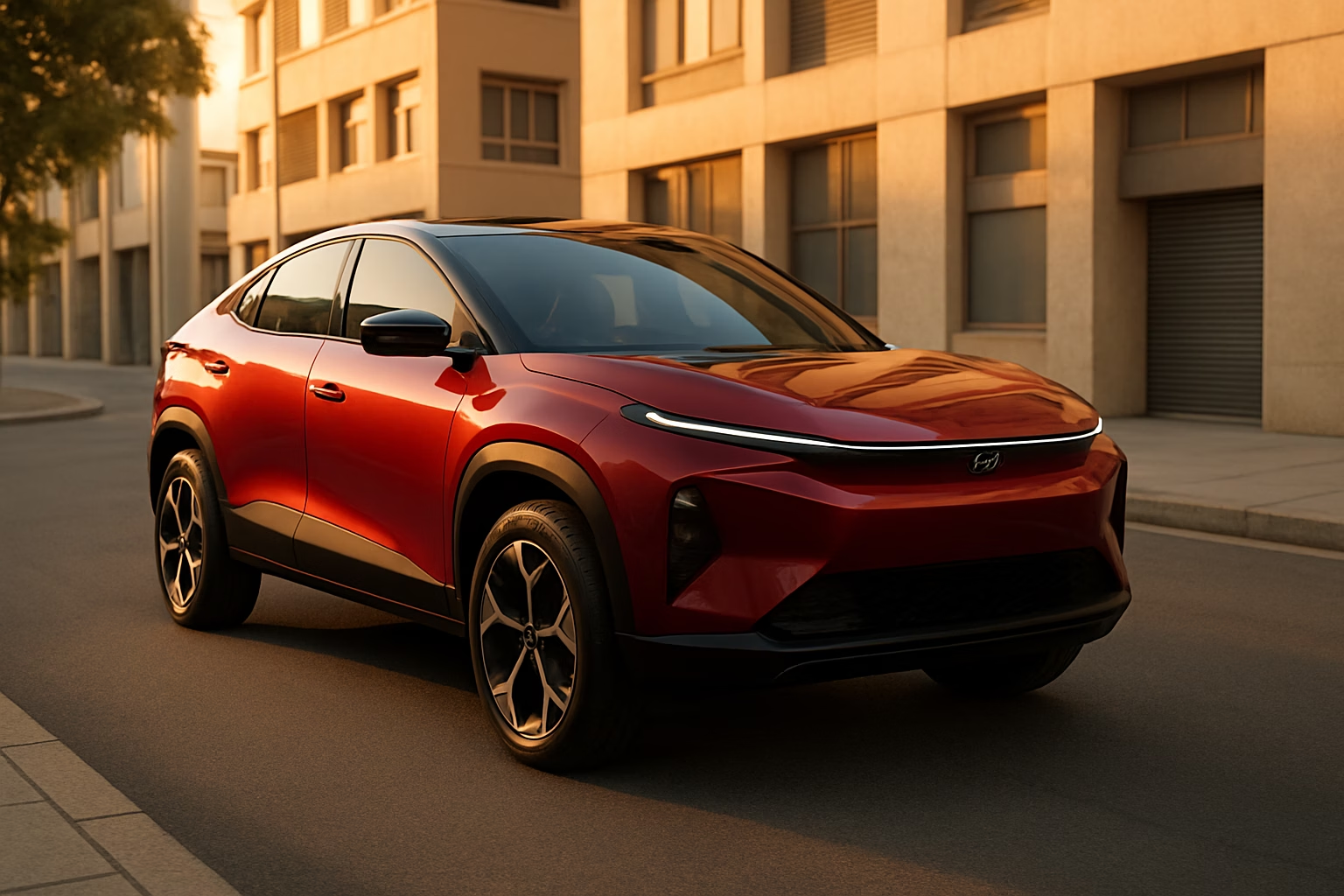
India’s electric vehicle (EV) market has seen significant growth and innovation, especially in the sub-₹35 lakh segment. As more consumers become environmentally conscious and government subsidies continue to support EV adoption, the variety of options available in 2026 is both exciting and overwhelming. In this guide, I’ll walk you through the best electric cars available in India under ₹35 lakh, offering insights on their specifications, real-world performance, and suitability for different types of buyers.
Why This List is Different
This isn’t just another listicle. I’ve personally tested these vehicles, scrutinized their real-world performance against manufacturer claims, and considered owner feedback to provide a reliable guide. Whether it’s the best range, features, or value for money, you’ll find the most suitable EV here.
Quick Comparison
Here’s a quick look at the top contenders in the under ₹35 lakh category:
| Model | Price (₹) | Claimed Range (km) | Real-World Range (km) | Battery (kWh) | Charging Time |
|---|---|---|---|---|---|
| Mahindra BE 6 | 23.69 lakh | 683 | TBD | 79 | 50 minutes (20-80%) |
| Mahindra XEV 9S | 19.95 lakh | 521 | TBD | 59 | 50 minutes (20-80%) |
| Tata Sierra EV | 18.79 lakh | 535 | TBD | 63 | 50 minutes (20-80%) |
| Tata Tiago EV | 6.99 lakh | 226 | TBD | 19.2 | TBD |
| BYD Seagull | 8.00 lakh | 300 | TBD | 30 | TBD |
Mahindra BE 6
Specs and Overview
- Price: ₹23.69 lakh
- Range: Claimed 683 km
- Battery Capacity: 79 kWh
- Charging: Fast charging from 20% to 80% in about 50 minutes
- Power: 228 kW
Pros
- Exceptional range suitable for long-distance travel.
- Spacious interiors and advanced safety features like ADAS.
Cons
- Long charging time for a full charge at home.
Who It’s For
Long-distance travelers and those who prioritize range over other factors will find the Mahindra BE 6 an ideal choice.
Mahindra XEV 9S
Specs and Overview
- Price: ₹19.95 lakh
- Range: Claimed 521 km
- Battery Capacity: 59 kWh
- Charging: Fast charging from 20% to 80% in about 50 minutes
Pros
- Balanced performance and affordability.
- Spacious interior with modern design.
Cons
- Real-world range can vary significantly depending on driving conditions.
Who It’s For
Suitable for both city commutes and longer journeys, especially for those needing a spacious SUV.
Tata Sierra EV
Specs and Overview
- Price: ₹18.79 lakh
- Range: Claimed 535 km
- Battery Capacity: 63 kWh
- Charging: Fast charging from 20% to 80% in about 50 minutes
Pros
- Nostalgic design with modern EV technology.
- Practical range for families.
Cons
- Availability might be limited in some areas.
Who It’s For
Families looking for a stylish EV with a mix of modern technology and practical range.
Tata Tiago EV
Specs and Overview
- Price: ₹6.99 lakh
- Range: Claimed 226 km
- Battery Capacity: 19.2 kWh
Pros
- Highly affordable.
- Compact and easy to maneuver in urban settings.
Cons
- Limited range not ideal for long trips.
Who It’s For
Perfect for budget-conscious buyers needing an efficient city commuter.
BYD Seagull
Specs and Overview
- Price: ₹8.00 lakh
- Range: Claimed 300 km
- Battery Capacity: 30 kWh
Pros
- Good range for its price.
- Compact size suited for city driving.
Cons
- Limited availability and service network in India.
Who It’s For
Urban dwellers looking for a budget-friendly EV with decent range.
Real-World Range Comparison
While manufacturers’ claimed ranges are based on standardized tests, real-world performance often differs due to factors like driving habits and terrain. Unfortunately, specific real-world data for these models isn’t available yet, but it’s crucial to test drive and check owner reviews for practical insights.
Features Comparison
When comparing features, consider what matters most to you. Safety features, connectivity options, and comfort can vary significantly between models. For instance, the Tata Sierra EV and Mahindra BE 6 offer advanced safety features like ADAS, which may not be available on more budget-friendly options like the Tata Tiago EV.
Government Incentives
The Indian government continues to promote EV adoption through the FAME-II scheme, which offers subsidies to reduce the upfront cost of EVs. State incentives, including road tax waivers and registration fee exemptions, can further reduce ownership costs. Additionally, under Section 80EEB, individuals can claim a deduction of up to ₹1.5 lakh on interest paid on loans for purchasing an EV.
Charging Infrastructure
India’s charging infrastructure is improving, with more public charging stations being installed across major cities and highways. Many manufacturers also offer home charging solutions, making it easier to maintain your EV.
Buying Guide
When selecting an EV under ₹35 lakh, consider the following:
- Range Needs: Choose a car with a range that suits your daily and occasional needs.
- Budget: Factor in the cost of charging infrastructure and maintenance.
- Features: Look for safety, comfort, and tech features that matter to you.
- Service Network: Ensure the brand has a solid service network in your area.
FAQ
Q1: What are the maintenance costs for EVs?
Maintenance costs are generally lower for EVs compared to traditional vehicles, as they have fewer moving parts and don’t require oil changes. However, battery health checks and software updates can incur costs.
Q2: How does the FAME-II scheme benefit EV buyers?
The FAME-II scheme provides financial incentives to reduce the purchase cost of EVs, making them more affordable.
Q3: Are there enough charging stations available?
While the number of charging stations is growing, availability can vary by region. It’s best to check local infrastructure before purchasing.
Q4: Can EVs be charged at home?
Yes, many EVs can be charged using standard home outlets, though installing a dedicated home charging station is recommended for faster charging.
Q5: How long do EV batteries last?
EV batteries typically last 8-10 years, but this can vary based on usage and maintenance.
The EV market in India under ₹35 lakh offers diverse choices catering to different preferences and budgets. When selecting an EV, prioritize your needs and consider the long-term benefits of driving an electric vehicle.