
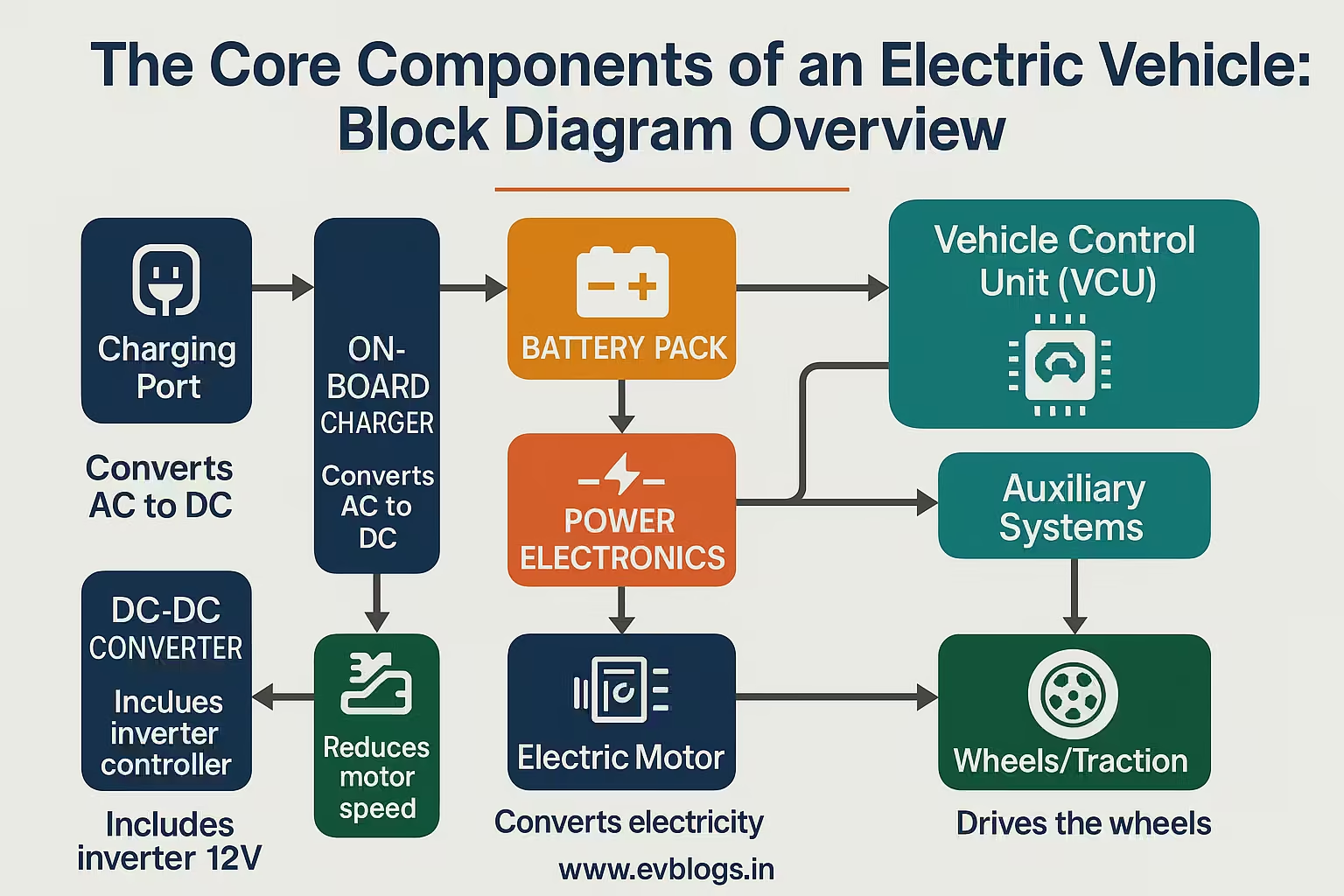
Understanding electric vehicles (EVs) is critical for anyone considering a move into sustainable transportation in India. By 2026, the EV market has evolved with advanced technologies, making it essential to grasp the fundamental components that define these vehicles. Here, I’ll break down an electric vehicle block diagram and explain each key component, providing insights into their functions, advantages, and challenges.
The Core Components of an Electric Vehicle
When you peek under the hood of an electric vehicle, it may seem less complex than conventional vehicles, yet it’s packed with technology. Here’s a detailed look at the components that make an EV tick:
Battery Pack
The battery pack is the heart of an electric vehicle. It stores the electrical energy necessary to power the vehicle. Typically composed of lithium-ion cells, these batteries are organized in series and parallel configurations to achieve the required voltage and capacity. The advancements in energy density and weight reduction are noteworthy, with some 2026 models expected to feature solid-state batteries, offering longer life and faster charging capabilities.
Battery Management System (BMS)
The BMS is crucial for maintaining battery health. It monitors the battery pack’s performance, ensuring safety and efficiency through temperature sensors, voltage regulators, and balancing circuits. This system prevents overcharging and overheating, which can degrade battery life and performance.
Electric Motor
Electric motors in EVs convert electrical energy into mechanical energy to drive the wheels. The two common types are AC motors (induction and synchronous) and DC motors (brushless). By 2026, we can expect more efficient designs with increased power output. These motors deliver instant torque, which is one of the reasons why EVs are celebrated for their quick acceleration.
Power Electronics Controller
This component manages the flow of electrical energy from the battery to the motor. It includes inverters and converters that adjust the voltage and current, ensuring smooth operation. A power electronics controller is critical in optimizing energy use and enhancing overall vehicle efficiency.
Onboard Charger
The onboard charger converts AC power from an external source into DC for charging the battery. This is vital for home charging stations and public charging points. By 2026, expect higher power ratings for quicker charging times, making EVs more convenient for everyday use.
Charging Port
The charging port is your vehicle’s gateway to external electrical power. It connects to charging stations using standardized connectors like CCS (Combined Charging System) or CHAdeMO. Fast charging capabilities are increasingly common, reducing downtime during long journeys.
Thermal Management System
Regulating the temperature of the battery, motor, and electronics is vital for optimal performance and longevity. This system utilizes liquid or air cooling to maintain temperatures within safe limits, even during fast charging or high-performance driving.
Control Systems
Control systems govern the vehicle’s operation, handling everything from acceleration to regenerative braking and safety features. They rely on embedded systems and software algorithms to provide a seamless driving experience.
Auxiliary Systems
These systems supply power to non-propulsion components, such as lighting, infotainment, and air conditioning. They are typically powered through a DC-DC converter, ensuring that low-voltage components function efficiently without draining the main battery excessively.
Real-World Performance and ARAI-Certified Range
Understanding the difference between real-world performance and laboratory results is critical when evaluating EVs. The real-world range often varies due to driving habits, terrain, and weather conditions, while the ARAI-certified range is calculated under controlled conditions.
Real-World Range
This is the true test of an EV’s endurance. Factors like aggressive driving, use of air conditioning, and hilly terrain can reduce the expected range. As EV technology advances, manufacturers strive to narrow the gap between real-world performance and certified ranges.
ARAI-Certified Range
The Automotive Research Association of India (ARAI) provides standardized testing results that give consumers a baseline for comparison. These figures are derived from specific testing protocols and are typically more optimistic than real-world results.
Charging Infrastructure in India
By 2026, India’s charging infrastructure has expanded significantly, though it still varies by region. Fast chargers are increasingly available in urban areas and along major highways, while Level 2 chargers become more common for home use.
Known Issues and Owner Feedback
It’s important to acknowledge the challenges that come with EV ownership. Here are some common issues reported by owners:
- Battery Degradation: Over time, the capacity of lithium-ion batteries can diminish, affecting range and performance. ZigWheels (January 2026) reports this as a common concern among long-term EV users.
- Software Glitches: New technology often comes with teething issues, such as software bugs that can affect infotainment systems or vehicle controls. BikeDekho (March 2026) highlights several complaints regarding connectivity issues.
- Charging Infrastructure: Despite improvements, charging station availability remains inconsistent, particularly in rural areas. BikeWale (February 2026) notes the need for more widespread fast-charging options.
What Real Owners Say
Here’s what some owners have shared about their experiences:
- “The range is great when driving in the city, but long highway trips still give me range anxiety.” — ZigWheels (April 2026)
- “I love the instant torque, but the software updates can be a bit buggy.” — BikeDekho (May 2026)
- “Charging at home is convenient, but public chargers are not as reliable as I’d like.” — BikeWale (March 2026)
Who Should Buy an EV in 2026?
- City Dwellers: If your daily drives are short and within urban areas, an EV can be a cost-effective and eco-friendly choice.
- Tech Enthusiasts: If you enjoy cutting-edge technology and are willing to deal with occasional software updates, EVs offer a futuristic driving experience.
- Environmentally Conscious Drivers: If reducing your carbon footprint is a priority, EVs provide a significant benefit over traditional vehicles.
Who Should Not Buy an EV in 2026?
- Long-Distance Travelers: If you frequently travel long distances in areas with limited charging infrastructure, an EV might not meet your needs.
- Budget-Conscious Buyers: While running costs are lower, the initial purchase price of an EV can be higher than traditional vehicles, despite government subsidies.
FAQs
1. How long does it take to charge an EV at home? Charging times vary, but expect 6-8 hours with a Level 2 charger for a full charge.
2. What is the typical range of an EV in 2026? Ranges can exceed 400 km per charge, depending on the model and driving conditions.
3. Are EVs cheaper to maintain than gasoline cars? Yes, EVs generally have fewer moving parts, reducing maintenance costs, though some components can be pricey to replace.
4. How do EVs perform in extreme weather? Cold weather can reduce range due to increased energy use for heating. However, advancements in thermal management systems are mitigating these effects.
5. What is regenerative braking? Regenerative braking recovers energy during braking and recharges the battery, improving efficiency.
6. Can I install a charging station at home? Yes, with the increasing availability of home charging solutions, many EV owners install Level 2 chargers for convenience.
7. What incentives are available for EV buyers in India? The PM e-DRIVE subsidy offers financial incentives, and some states provide additional benefits to reduce the initial purchase cost.
In conclusion, understanding the block diagram and components of an electric vehicle is essential for making an informed purchase decision. As the EV market continues to grow in India, weighing the benefits and challenges will help you decide if an EV fits your lifestyle and needs.