
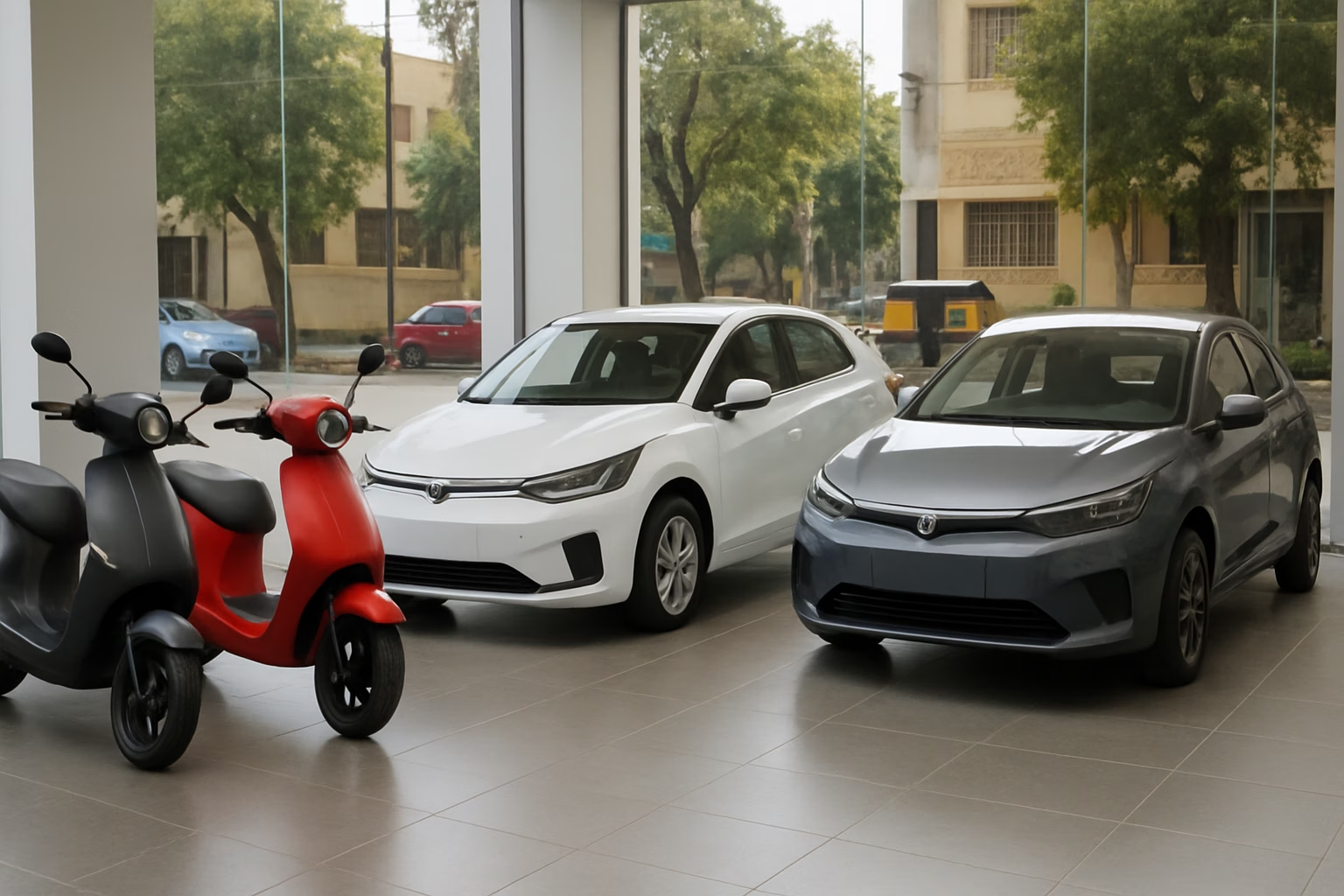
In recent years, the electric vehicle (EV) industry in India has experienced remarkable growth, creating a significant demand for professionals skilled in EV technology. As of 2026, numerous online courses and certifications have emerged to fill this gap, offering a range of programs tailored to different aspects of EVs. Whether you’re a student hoping to enter this dynamic field, a professional seeking to upgrade your skills, or an enthusiast keen to understand the intricacies of EVs, there’s a course for you. This guide provides a comprehensive overview of the best online EV courses available in India, including details on their duration, fees, and unique features.
Quick Comparison Table: Top Online EV Courses in India (2026)
| Course Name | Duration | Fee | Key Features |
|---|---|---|---|
| DIYguru Certified Electric Vehicle Technician (CEVT) | 2 months + 21-day workshop | ₹27,700 | AICTE-approved, ASDC-certified, practical training on EV diagnostics and high-voltage safety |
| NIELIT Online Course on EV Technology & Public Charging | 5 days, 1 hour per day | ₹1,000 | Basics of battery-driven EVs, dynamics, motors, and charging |
| evACAD Electric Vehicle Design & Integration Course | Self-paced | N/A | EV architecture, powertrain integration, battery systems, and charging technologies |
| Autobot Academy Electric Vehicle Design and Development | 2 months | ₹15,000 | Industry-relevant focus on EV design and development |
| Indian Institute of Solar Energy Fundamentals of EV Tech | 1 month, self-paced | ₹9,999 | Beginner-friendly with coverage of EV architecture and diagnostics |
Top Picks: Detailed Course Reviews
1. DIYguru Certified Electric Vehicle Technician (CEVT)
Duration: 2 months online theory + 21-day hands-on workshop
Fee: ₹27,700
Features: This course is AICTE-approved and ASDC-certified. It provides a comprehensive education in EV diagnostics, battery systems, and high-voltage safety. The inclusion of a 21-day hands-on workshop ensures practical experience, making it ideal for those looking to gain in-depth technical knowledge. DIYguru
Pros:
- Accredited by AICTE and ASDC
- Practical training with a 21-day workshop
- Covers essential aspects of EV technology
Cons:
- Higher cost compared to shorter courses
Who It’s For: Ideal for individuals aiming to become certified EV technicians with hands-on experience.
2. NIELIT Online Course on EV Technology & Public Charging
Duration: 5 days, 1 hour per day
Fee: ₹1,000
Features: This short course provides a fundamental understanding of battery-driven EVs, dynamics, motors, power electronics, and charging. It’s a quick, cost-effective option for beginners. NIELIT
Pros:
- Very affordable
- Short duration
- Covers essential EV components
Cons:
- Limited depth due to short duration
Who It’s For: Suitable for beginners looking to get a quick overview of EV technology.
3. evACAD Electric Vehicle Design & Integration Course
Duration: Self-paced
Fee: Information not specified
Features: Offers a comprehensive understanding of EV architecture, powertrain integration, battery systems, and charging technologies. This course is designed for those who want flexibility in their learning schedule. evACAD
Pros:
- Flexible self-paced learning
- In-depth coverage of EV design and integration
Cons:
- Lack of specified fee information
Who It’s For: Best for professionals and enthusiasts who need flexibility and a deep dive into EV design.
4. Autobot Academy Electric Vehicle Design and Development (EVDD)
Duration: 2 months
Fee: ₹15,000
Features: This course focuses on the design and development of EVs, covering industry-relevant skills. It’s a solid choice for those looking to enter the design and development side of the EV industry. Autobot Academy
Pros:
- Industry-focused curriculum
- Comprehensive coverage of design and development
Cons:
- Mid-level pricing
Who It’s For: Ideal for those interested in the design and development aspects of EVs.
5. Indian Institute of Solar Energy Fundamentals of Electric Vehicle Technology
Duration: 1 month, self-paced
Fee: ₹9,999
Features: This beginner-friendly course covers EV architecture, batteries, charging systems, and diagnostics. It’s perfect for newcomers to the field looking for a solid foundation. Indian Institute of Solar Energy
Pros:
- Self-paced for flexibility
- Comprehensive introduction to EV technology
Cons:
- Limited to fundamentals
Who It’s For: Best suited for beginners who want to understand the basics of EV technology.
Winner Per Category
- Budget Pick: NIELIT Online Course on EV Technology & Public Charging
- Best for Beginners: Indian Institute of Solar Energy Fundamentals of EV Technology
- Best for Hands-On Training: DIYguru Certified Electric Vehicle Technician (CEVT)
- Best for Flexibility: evACAD Electric Vehicle Design & Integration Course
- Best for Design and Development: Autobot Academy Electric Vehicle Design and Development
Buying Guide: What to Consider
When selecting an EV course, consider the following factors to ensure you choose the right program for your needs:
- Curriculum Relevance: Ensure that the course content aligns with your career goals and interests in the EV sector.
- Certification Validity: Check if the course is certified by recognized institutions or bodies, as this can add value to your qualifications.
- Hands-On Training Opportunities: Practical experience is crucial in the EV field. Courses offering workshops or lab sessions provide valuable hands-on learning.
- Flexibility and Duration: Consider how much time you can dedicate to the course and if the schedule fits your lifestyle.
- Cost and Value: Weigh the course fee against the potential career benefits and knowledge gained to assess value for money.
FAQs About EV Courses in India
Are online EV courses recognized by the industry? Yes, many online EV courses are accredited by reputable organizations like AICTE, ASDC, and IITs, ensuring industry recognition.
Can I get a job after completing an online EV course? Completing a recognized course can enhance your employability, especially if it includes practical training and placement support.
What is the average duration of an online EV course? Course durations vary from a few days to several months, depending on the depth and scope of the material.
Is practical training necessary for EV courses? While not mandatory, practical training is highly beneficial as it provides real-world experience, making you more competitive in the job market.
Do these courses offer placement assistance? Some programs, such as those by DIYguru and Intellipaat, offer structured placement support to assist graduates in finding relevant employment.
By considering these factors and reviewing the top courses available, you can make an informed decision that aligns with your educational and professional aspirations in the exciting field of electric vehicles.