
Converting Diesel Cars to Electric Vehicles in India: Legal Status and Practical Insights (2026)
In 2026, the conversation around converting diesel vehicles to electric is more pertinent than ever. With the Indian government pushing for cleaner transportation options, many vehicle owners are exploring the possibility of transforming their diesel cars into electric vehicles (EVs). This article provides a comprehensive look at the legal status, costs, and practical considerations of such conversions, along with insights into whether this path aligns with your needs.
Key Legal Requirements for Conversion
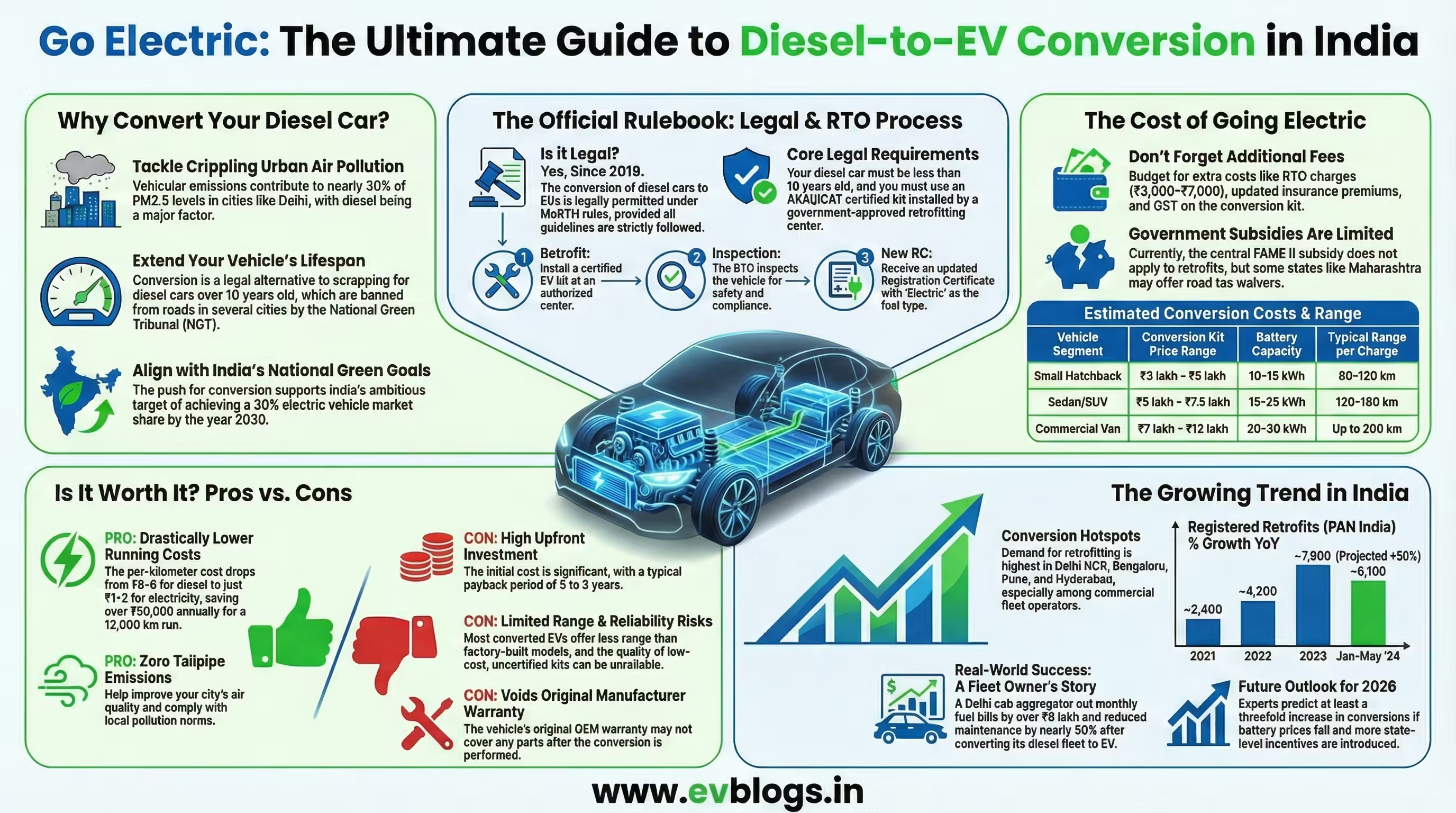
Converting diesel vehicles to electric in India is legally permitted under specific conditions outlined by the Ministry of Road Transport and Highways (MoRTH). The critical regulations to note are:
- Vehicle Age: The diesel vehicle should not be more than 10 years old.
- Authorized Centers: The conversion must occur at government-approved retrofitting centers using certified kits.
- Certification: Conversion kits must be certified by the Automotive Research Association of India (ARAI) or the International Centre for Automotive Technology (ICAT).
- Post-Conversion Inspection: After conversion, the vehicle must pass an inspection and receive a new Registration Certificate from the Regional Transport Office (RTO).
Failure to comply can result in fines or vehicle de-registration under Section 52 of the Motor Vehicles Act. More details can be found here .
Cost of Conversion
The cost of converting a diesel car to an electric vehicle varies based on factors like vehicle type and desired range. Here’s a breakdown:
Small Hatchbacks:
- Conversion Kit Price: ₹3 lakh–₹5 lakh
- Battery Capacity: 10–15 kWh
- Range per Charge: 80–120 km
Sedans/SUVs:
- Conversion Kit Price: ₹5 lakh–₹7.5 lakh
- Battery Capacity: 15–25 kWh
- Range per Charge: 120–180 km
Commercial Vans:
- Conversion Kit Price: ₹7 lakh–₹12 lakh
- Battery Capacity: 20–30 kWh
- Range per Charge: Up to 200 km
Additional costs include RTO charges (₹3,000–₹7,000), insurance premium adjustments, and Goods and Services Tax (GST) on the kits. It’s crucial to note that FAME II subsidies apply only to new EVs, not conversions. Some states, like Maharashtra, do offer road tax waivers for converted vehicles. Learn more about these expenses here .
Real-World Range vs. ARAI Certified Range
A critical aspect of any EV, especially conversions, is the range. While ARAI-certified ranges provide a benchmark, they often differ from real-world conditions. For instance, the Tata Tiago EV, with a 24kWh battery, boasts an ARAI-certified range of 275 km, but real-world tests show it achieves around 187 km on mixed driving cycles. This discrepancy is due to factors like driving habits, terrain, and climate, which significantly impact range. More on this can be found here .
Performance and Specifications
When converting a diesel car to an EV, expect changes in performance and specifications:
- Battery and Motor: Typically, lithium-ion batteries ranging from 15 kWh to 40 kWh are used. Motors are usually BLDC or induction types, rated between 20 kW to 50 kW.
- Charging Time: Level 1 chargers may take 6-10 hours, while Level 2 chargers can reduce this to 3-5 hours. Fast chargers could charge up to 80% in 30-60 minutes.
- Weight and Boot Space: Conversion often adds 100-300 kg due to the battery, potentially affecting handling. Battery placement might reduce boot space.
For more detailed specs, consult experts in EV conversions and ensure compliance with local regulations.
Known Issues and Challenges
Converting a diesel vehicle to an EV isn’t without its challenges. Some known issues include:
- Component Overhaul Risks: Modifications can impact vehicle dynamics, safety, and reliability.
- High-Voltage Safety Concerns: Quality of components like the battery pack is crucial to avoid operational risks.
- Service Challenges: Aftermarket installers may lack resources and expertise, leading to potential long-term issues.
- Cost and Resale Impact: Conversion costs range significantly, and modifications may affect the vehicle’s resale value.
Government subsidies under FAME II apply only to new EVs, not retrofitted vehicles, though some states like Maharashtra offer tax waivers. More insights are available here .
What Real Owners Say
While specific reviews on diesel-to-EV conversions are limited, general feedback highlights concerns such as the impact on vehicle dynamics and long-term reliability. Here are some insights:
ZigWheels (2025): “The conversion seemed promising initially, but I faced issues with battery placement affecting the vehicle’s handling.” source
BikeDekho (2025): “The cost was higher than expected, and the lack of FAME II subsidies was disappointing.” source
BikeWale (2026): “Service centers struggled with the new setup, leading to extended downtimes.” source
Who Should Consider Conversion?
Ideal Candidates:
- Owners of diesel vehicles under 10 years old.
- Those with access to authorized retrofitting centers.
- Individuals willing to invest in initial conversion costs for long-term savings.
Those Who Should Avoid Conversion:
- Owners of older diesel vehicles.
- Individuals concerned about resale value.
- Those without reliable access to charging infrastructure.
Frequently Asked Questions
1. Is converting my diesel car to an EV legal in India?
Yes, provided your vehicle is under 10 years old and the conversion is done at a government-approved center using certified kits.
2. How much does it cost to convert a diesel car to electric?
Costs range from ₹3 lakh to ₹12 lakh, depending on the vehicle type and desired range.
3. Do I get any government subsidies for conversion?
FAME II subsidies apply only to new EVs, but some states offer road tax waivers for conversions.
4. What are the risks of converting my diesel vehicle?
Potential risks include reduced resale value, handling changes due to added weight, and maintenance challenges.
5. How long does the conversion process take?
Conversion times vary, but typically range from several days to a few weeks, depending on the complexity.
6. What is the real-world range after conversion?
Real-world range can differ significantly from ARAI-certified figures due to driving conditions and habits.
7. Are converted EVs as reliable as factory-built EVs?
Reliability can vary. Conversions depend heavily on the quality of components and the expertise of the installation center.