
Hedhvick Hirav
Hedhvick Hirav is a dedicated EV researcher and editor with over 4 years of experience in India’s growing electric vehicle ecosystem. Their contributions have been recognized in leading sustainability publications and automotive journals.
Summarize & analyze this article with
Choose an AI assistant and open this article directly:
Tip: if the AI doesn’t fetch the page automatically, paste the article URL manually.
NEW DELHI, Dec 9 —
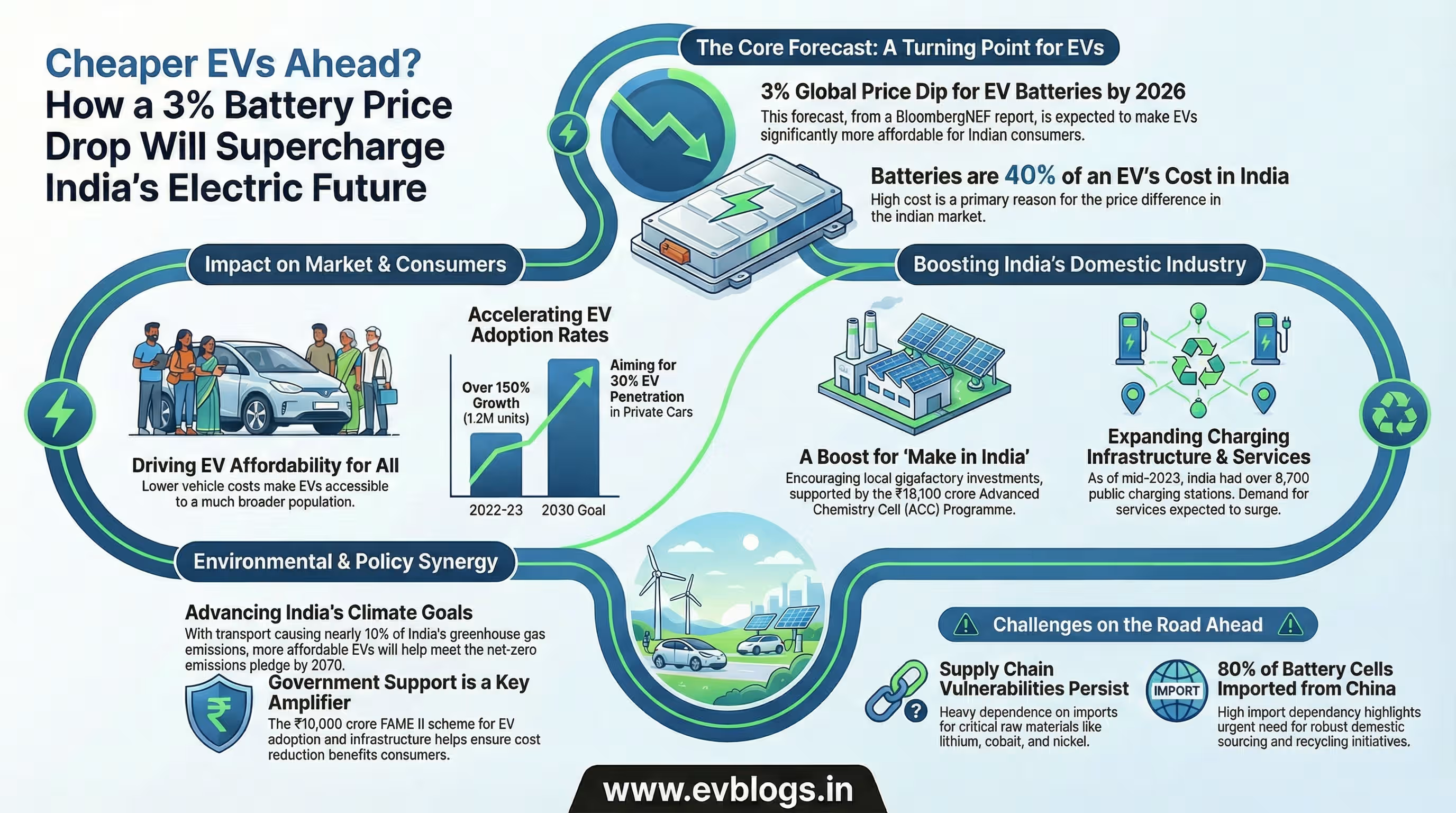
India’s electric vehicle (EV) sector is poised for a significant transformation as global battery prices are expected to decline by 3% in 2026, according to a new BloombergNEF report. This anticipated price dip could make EVs more affordable for Indian consumers, accelerate domestic adoption, and shape the nation’s clean mobility ambitions. Below, we explore the key implications and opportunities that may arise from this development.
1. Lower Battery Costs to Drive EV Affordability
A 3% reduction in global EV battery prices could translate into more budget-friendly electric vehicles for Indian buyers.
Currently, batteries account for as much as 40% of an EV’s total cost in India.
With price-conscious consumers dominating the Indian automobile market, even a modest drop in battery prices can help manufacturers produce EVs at lower prices, making them accessible to a broader segment of the population.
2. Boost to India’s EV Adoption and Market Growth
The expected dip in battery costs is likely to spur higher EV adoption rates across the country.
“India’s EV sales grew by over 150% in 2022-23, with more than 1.2 million units sold.”
With reduced manufacturing costs, automakers can potentially offer more competitive pricing, which could help accelerate the government’s target of achieving 30% EV penetration in private cars and 70% in commercial vehicles by 2030.
3. Enhanced Opportunities for Domestic Battery Manufacturing
The anticipated drop in battery prices could also stimulate investments in domestic battery manufacturing.
India’s Advanced Chemistry Cell (ACC) Battery Storage Programme aims to attract investments worth ₹18,100 crore.
Lower upfront costs may encourage Indian companies to set up local gigafactories, reducing reliance on imports and boosting the ‘Make in India’ initiative.
4. Expansion of EV Infrastructure and Ancillary Industries
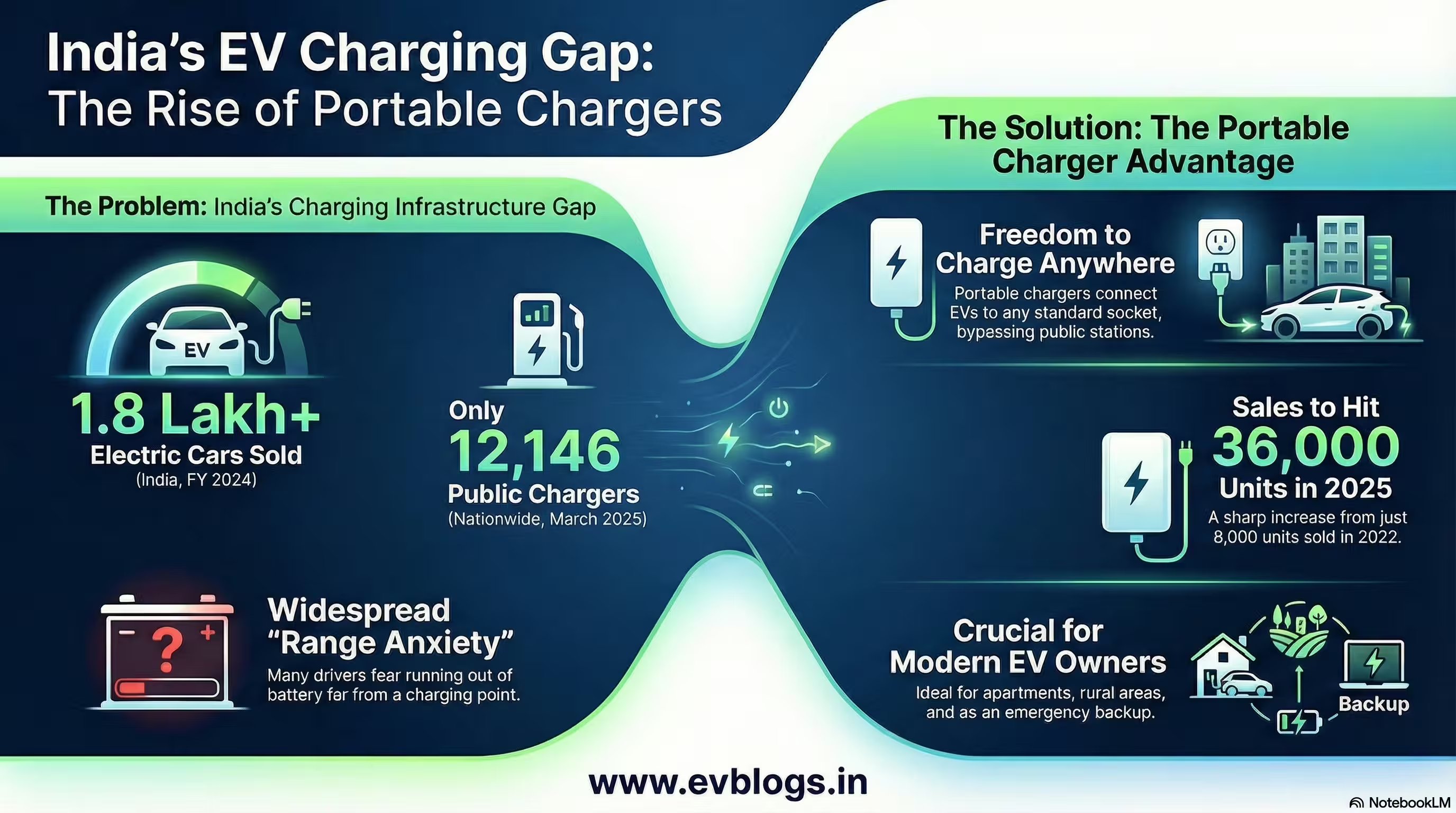
As batteries become more affordable, demand for charging infrastructure, battery recycling, and related services is expected to surge.
“India had just over 8,700 public charging stations as of mid-2023, with plans to expand rapidly.”
The price dip could incentivise both public and private players to invest in expanding charging networks, creating new jobs and fostering innovation in ancillary industries.
5. Positive Impact on India’s Clean Energy and Climate Goals
Lower battery prices can help India move closer to its climate commitments under the Paris Agreement by promoting cleaner transportation.
Transport is responsible for nearly 10% of India’s total greenhouse gas emissions.
More affordable EVs could lead to a reduction in fossil fuel dependence, supporting India’s pledge to achieve net-zero emissions by 2070.
6. Challenges Remain: Supply Chain and Raw Material Concerns
Despite the positive outlook, challenges persist. India remains dependent on imports for key battery materials like lithium, cobalt, and nickel.
“Nearly 80% of India’s lithium-ion battery cells are imported from China.”
The price drop could increase demand for these materials, putting pressure on supply chains and underlining the need for robust sourcing strategies and recycling initiatives.
7. Policy Support and Incentives to Play a Key Role
The impact of falling battery prices will be amplified by continued government support through policies and incentives.
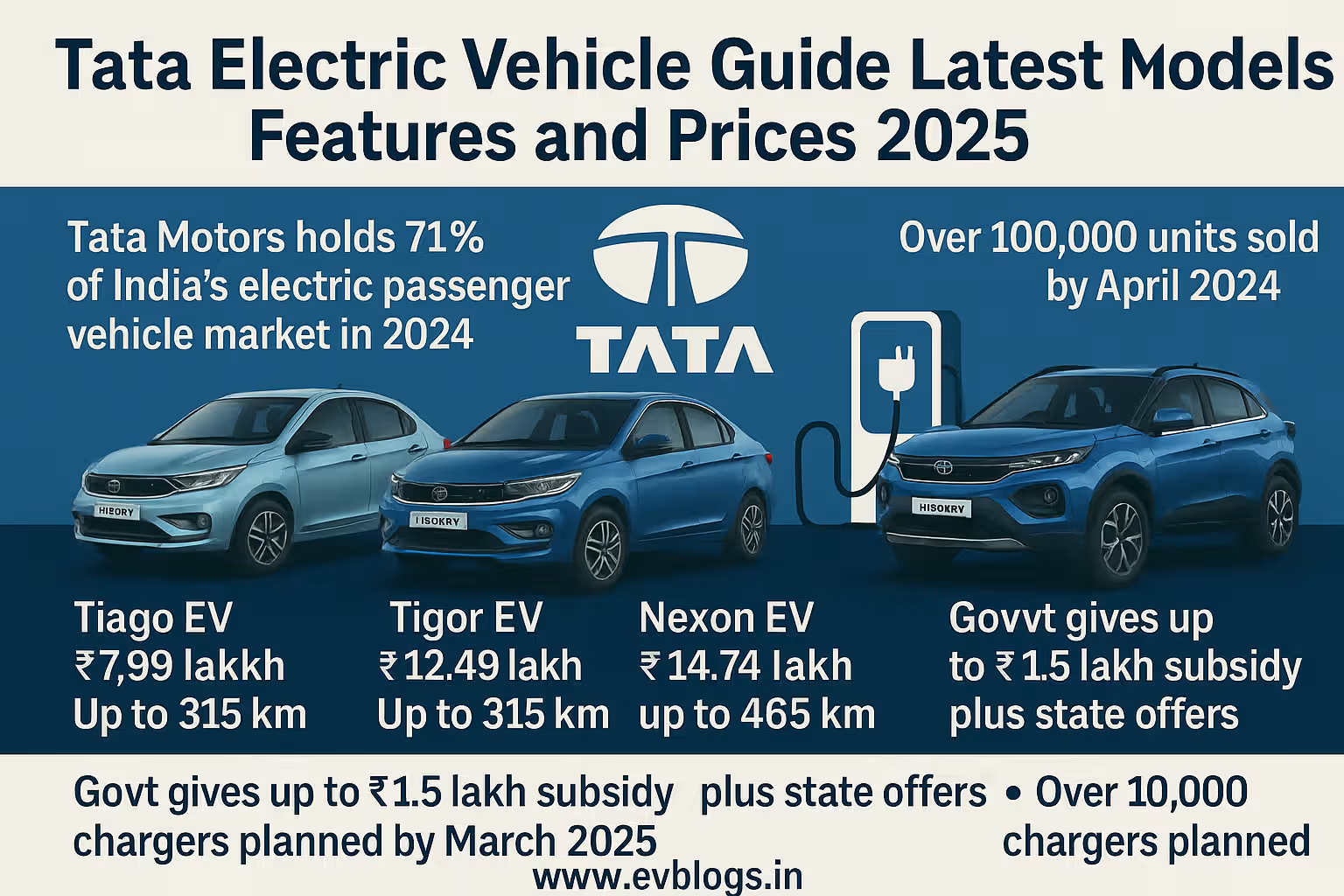
The FAME II scheme allocates ₹10,000 crore for EV adoption and infrastructure development in India.
Sustained policy interventions will be essential to ensure that the benefits of reduced battery costs are passed on to both manufacturers and consumers.
As global EV battery prices are forecasted to dip by 3% in 2026, India stands at the threshold of a potential EV revolution. The price reduction, combined with supportive policies and local manufacturing initiatives, could make electric mobility more accessible and sustainable for millions of Indians. However, addressing supply chain vulnerabilities and scaling up infrastructure will be crucial to fully realise the advantages of this anticipated shift.
Sources
Original Source
google.com - Read original
Official Sources
- Intergovernmental Panel on Climate Change (IPCC): IPCC opens registration of experts to review the first draft of the Methodology Report on Inventories for Short-lived Climate Forcers
Quotes
- Publishing Domain: google.com
- Published Date: 2025-12-09T19:51:50+05:30
- Original URL: Read original (news.google.com/rss/articles/CBMib0FVX3lxTE4zWjd0QjRoQUdJNVBmX1BuZGxqSzJfX… …)
Editorial Check
- Originality: 15 / 100 — The content is a straightforward report of BloombergNEF’s forecast about EV battery prices, which is widely covered by multiple news outlets. There is little unique analysis or insight in the summary.
- Helpfulness: 30 / 100 — The summary provides a basic headline-level overview, stating the expected 3% drop in global EV battery prices in 2026. However, it lacks context, details, or implications, limiting its usefulness to readers seeking more information.