
Hedhvick Hirav
Hedhvick Hirav is a dedicated EV researcher and editor with over 4 years of experience in India’s growing electric vehicle ecosystem. Their contributions have been recognized in leading sustainability publications and automotive journals.
Summarize & analyze this article with
Choose an AI assistant and open this article directly:
Tip: if the AI doesn’t fetch the page automatically, paste the article URL manually.
NEW DELHI, Jan 30 — In a significant development for the electric vehicle (EV) industry, a key Toyota partner has broken ground on a new plant dedicated to manufacturing solid electrolytes for all-solid-state EV batteries. This move is expected to play a transformative role in the future of electric mobility, both globally and in India. Here are the key factors to know about this landmark initiative:
1. A Major Step Towards Advanced EV Battery Technology
The new facility, developed by a Toyota-affiliated company, is set to accelerate the production of all-solid-state batteries, which are widely regarded as the next big leap in EV technology. Unlike conventional lithium-ion batteries, solid-state batteries promise higher energy density, faster charging times, and improved safety.
“Solid-state batteries can potentially increase EV driving range by up to 50% compared to current lithium-ion counterparts.”
2. Strategic Importance for India’s EV Market
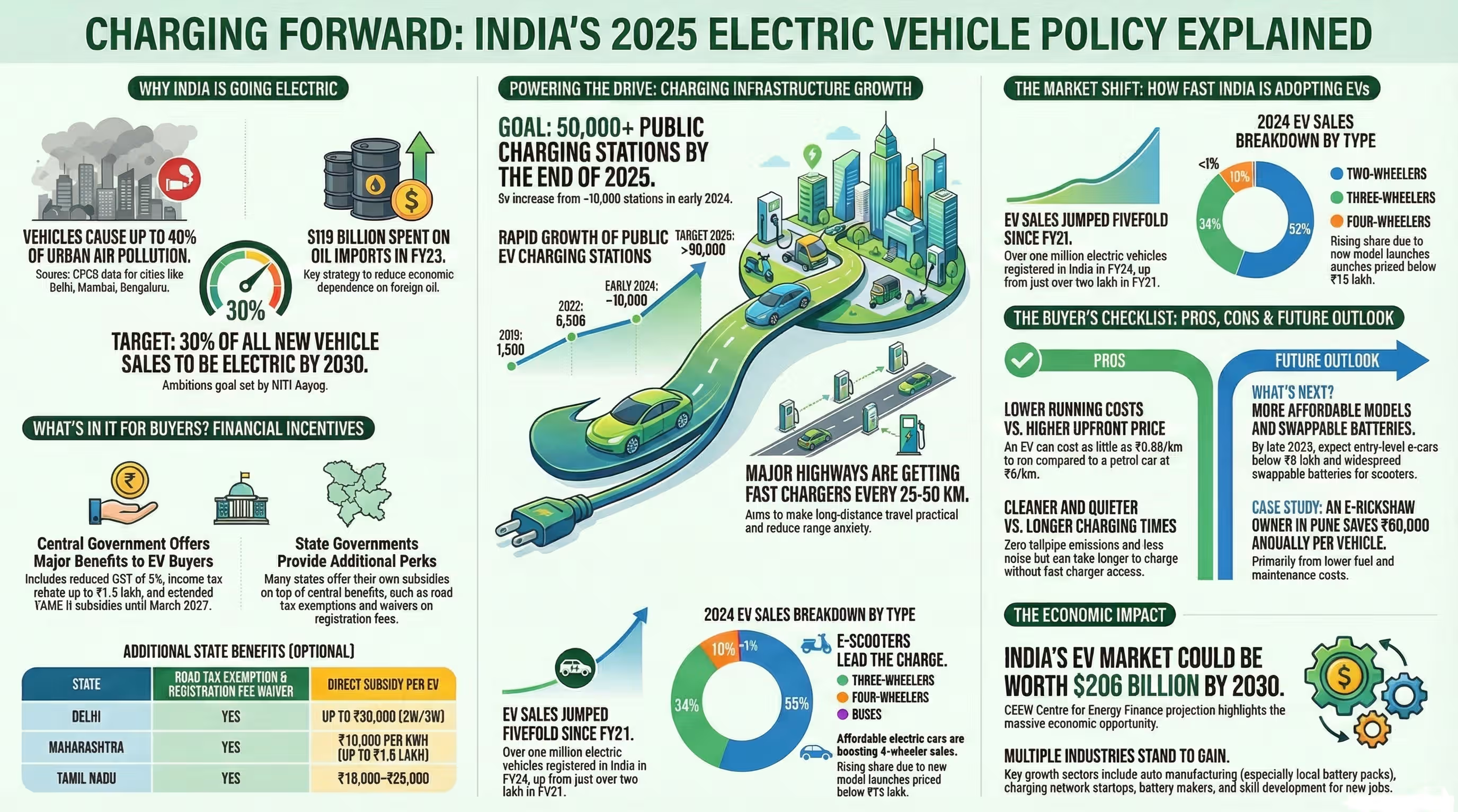
India is one of the fastest-growing EV markets, with the government aiming for 30% electric vehicle adoption by 2030. The introduction of solid-state battery technology can address some of the core challenges facing EV adoption in India, such as range anxiety, charging infrastructure, and battery safety.
“India’s EV sales grew by over 150% in 2023, with more than 1 million units sold across segments.”
3. Boosting Local Manufacturing and Supply Chains
The establishment of a solid electrolyte manufacturing plant is likely to strengthen the local EV supply chain. This development aligns with the Indian government’s Make in India initiative, encouraging local production and reducing dependency on imported battery technologies.
“India currently imports over 70% of its EV battery cells, highlighting the need for domestic production capabilities.”
4. Environmental and Safety Benefits
Solid-state batteries are considered safer and more environmentally friendly than traditional batteries. The use of solid electrolytes reduces the risk of leakage, fire, or explosion, enhancing the safety profile of electric vehicles on Indian roads.
“Solid electrolytes are non-flammable, drastically reducing the risk of thermal runaway incidents in EVs.”
5. Accelerated Research and Collaboration
This initiative is expected to spur research and development activities in solid-state battery technology. Indian research institutions and automotive manufacturers may find new opportunities for partnership, innovation, and skills development, further boosting India’s standing in the global EV ecosystem.
“Collaborative R&D can bring down battery costs and speed up technology adoption across the Indian automotive sector.”
6. Potential Impact on EV Affordability
As production of advanced batteries scales up, the cost of EVs is likely to decrease, making them more accessible to the average Indian consumer. Affordable, high-performance electric vehicles can accelerate the transition to cleaner mobility solutions.
“Battery costs account for up to 40% of an EV’s total price; innovations in solid-state technology could reduce this significantly.”
7. Global Implications and India’s Competitive Edge
By participating in the global shift towards solid-state batteries, India stands to gain a competitive edge in the international EV market. The country can position itself as a hub for advanced battery manufacturing, attracting investments and creating high-quality jobs.
“Global EV battery market size is expected to reach USD 135 billion by 2032, with significant opportunities for Indian manufacturers.”
The commencement of this solid electrolyte plant marks a pivotal moment for the Indian and global EV industries. With advancements in battery technology, strengthened supply chains, and new opportunities for research and manufacturing, India is poised to play a crucial role in shaping the future of electric mobility.
Certainly! Here’s an additional detailed, numbered point for the topic:
4. Advanced Manufacturing Processes and Local Supply Chains:
The new plant will leverage cutting-edge manufacturing techniques to produce solid electrolytes at scale, a critical step in overcoming previous bottlenecks in all-solid-state battery development. By establishing the facility locally, Toyota’s partner aims to reduce dependence on imported materials and create a robust domestic supply chain for next-generation battery components. This not only enhances production efficiency but also strengthens regional economic growth and minimizes logistical challenges, thereby accelerating the timeline for mass-market adoption of all-solid-state EVs.
Sources
Original Source
google.com - Read original
Quotes
- Publishing Domain: google.com
- Published Date: 2026-01-30T13:30:00+05:30
- Original URL: Read original (news.google.com/rss/articles/CBMinAFBVV95cUxNdnp2RUVJc29xY2puZFRyR0pJV2ZDW… …)
Editorial Check
- Originality: 35 / 100 — The summary is a near-verbatim repetition of the article title and does not provide additional context or unique phrasing. It lacks original synthesis or insight.
- Helpfulness: 20 / 100 — The summary simply restates the headline and does not offer any extra information, background, or explanation about the significance of the event, the partner involved, or the impact on EV battery technology.