Electric Vehicles in 2025: Trends, Data & India’s Road Ahead
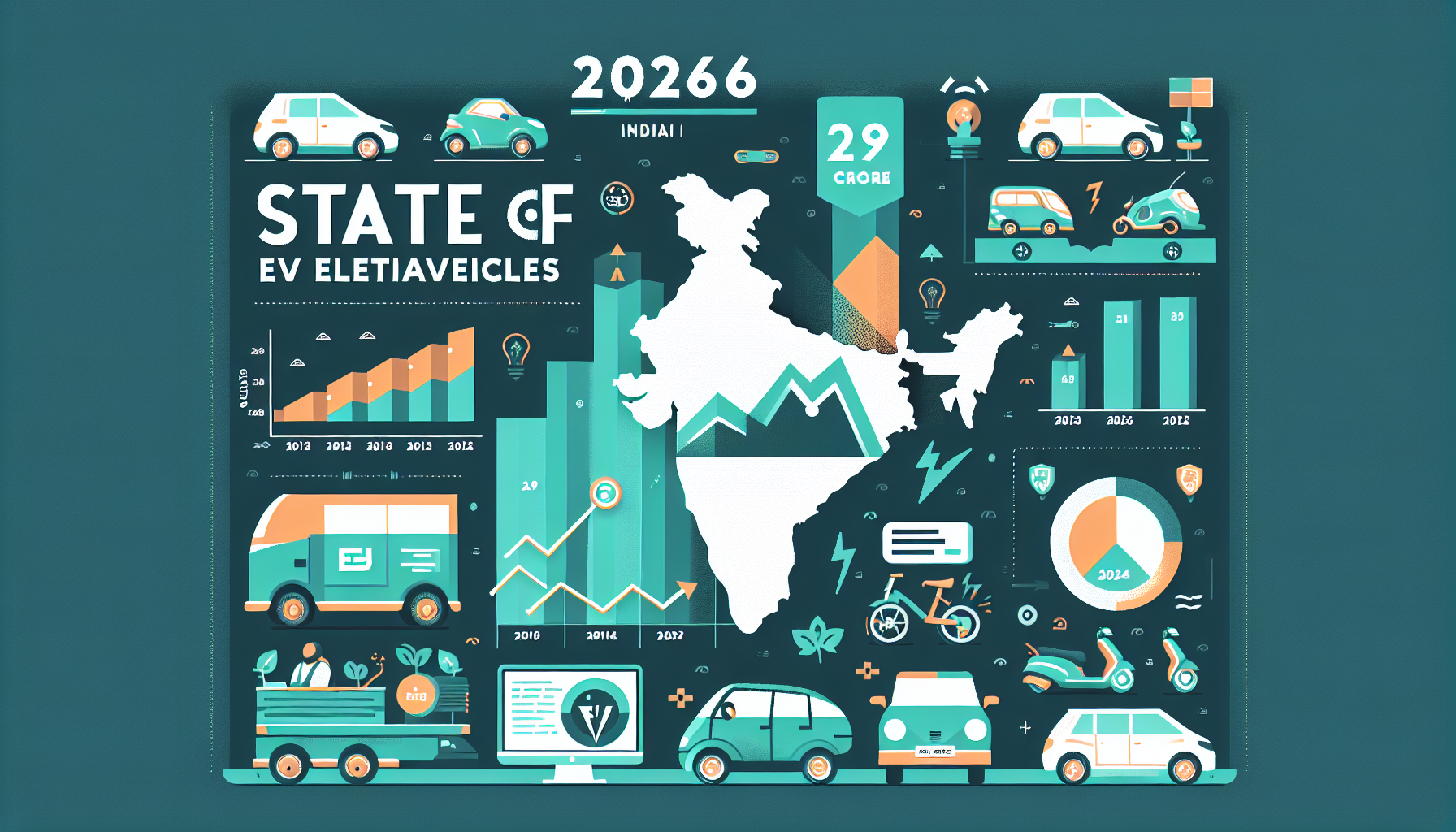
Electric vehicles (EVs) are rapidly transforming India’s mobility landscape in 2025. Driven by supportive government policies, rising fuel prices, and growing environmental consciousness, EV adoption has accelerated notably. As of early 2025, over 3.6 million EVs are registered in India, marking a 37% year-on-year growth (Ministry of Road Transport & Highways, Jan 2025). This article offers an in-depth, data-backed analysis of electric vehicles—covering what they are, why they matter now, the latest industry trends and statistics, benefits and challenges, sectoral impacts, insurance aspects with IRDAI data, and the future outlook for Indian consumers and businesses.
What Are Electric Vehicles and Why Do They Matter in 2025?
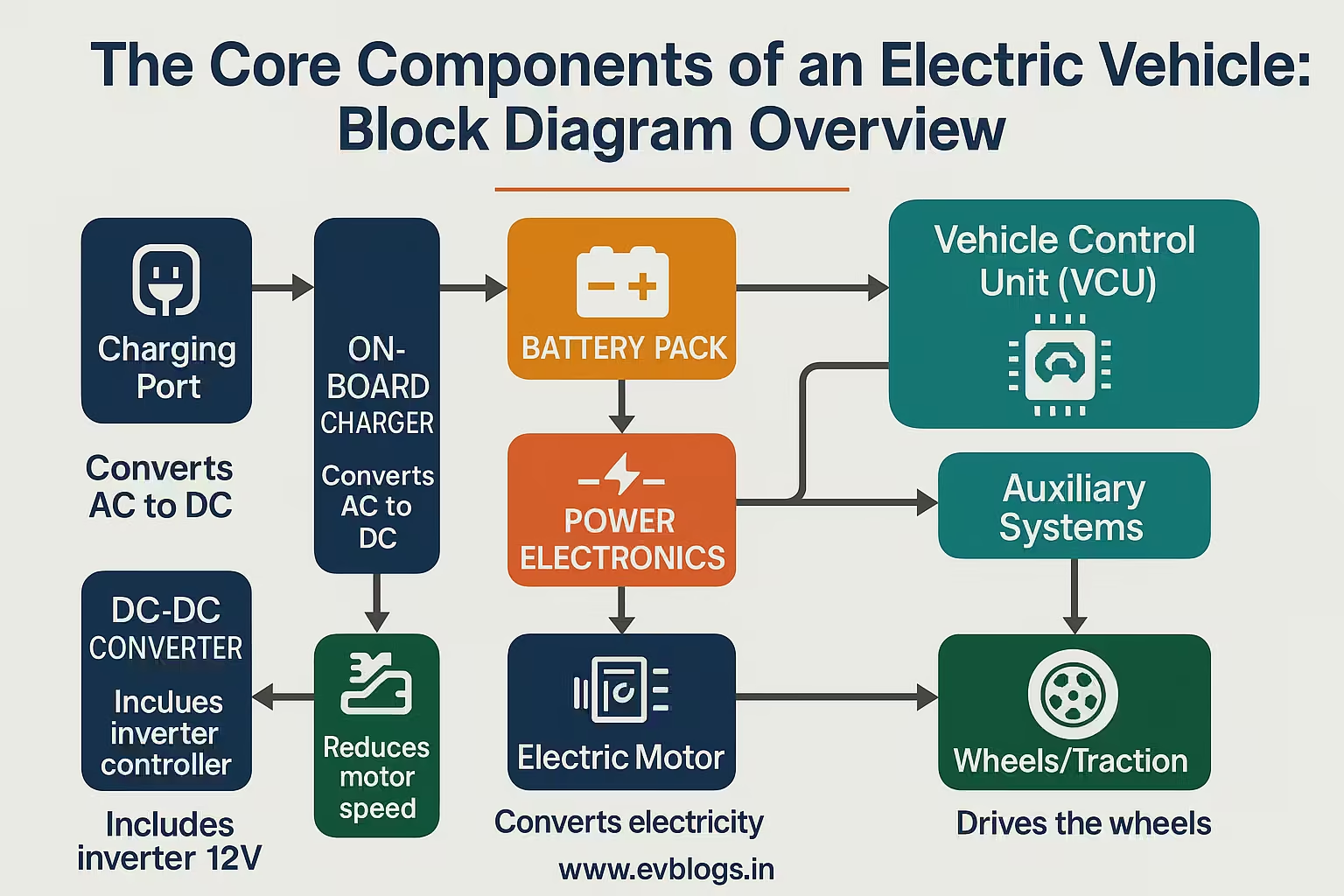
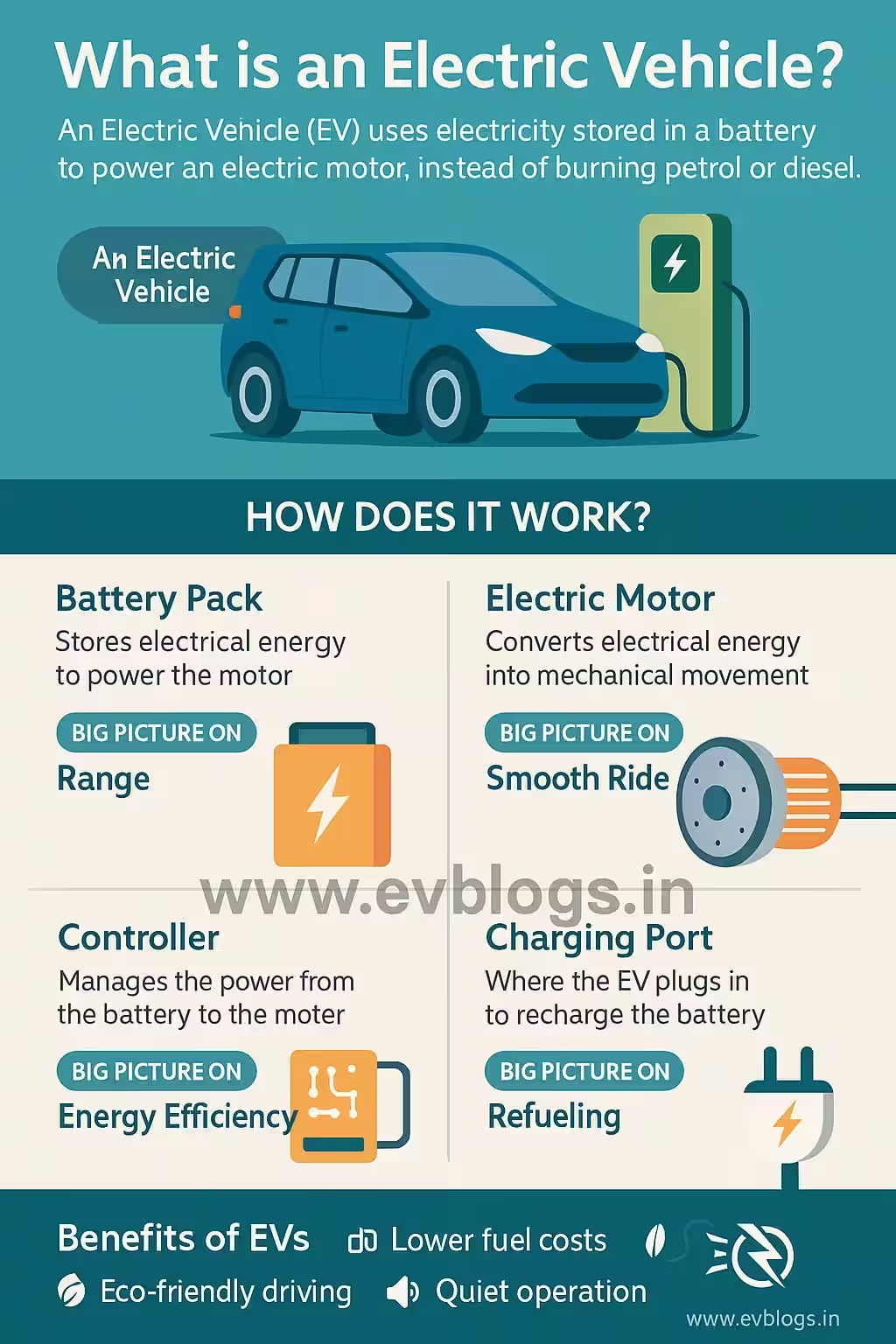
Electric vehicles (EVs) are automobiles powered entirely or partially by electric motors using energy stored in rechargeable batteries. Unlike conventional petrol or diesel vehicles, EVs produce zero tailpipe emissions and offer lower operational costs.
In 2025, EVs have become crucial for several reasons:
- Environmental Impact: They help curb urban air pollution and reduce greenhouse gas emissions.
- Energy Security: They lessen dependence on imported oil.
- Cost Savings: Lower maintenance and running costs benefit both individuals and businesses.
- Government Push: Central and state governments provide financial incentives to promote EV adoption.
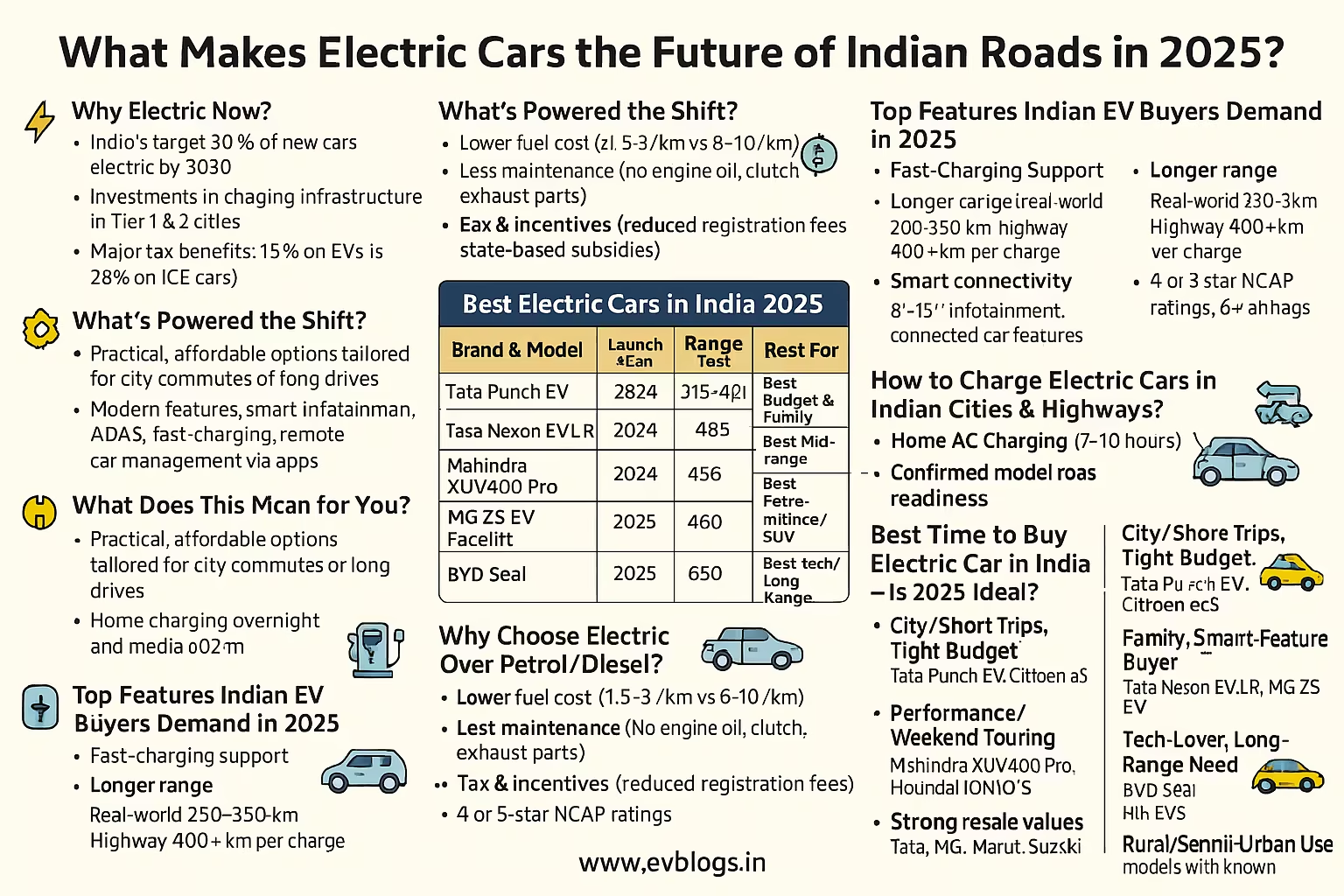
According to the NITI Aayog “India EV Vision 2030” report (released Dec 2024), India aims for electric vehicles to account for at least 30% of new car sales and over 80% of two-wheeler sales by 2030.
Understanding the Types of Electric Vehicles
What Are the Main Categories of Electric Vehicles?
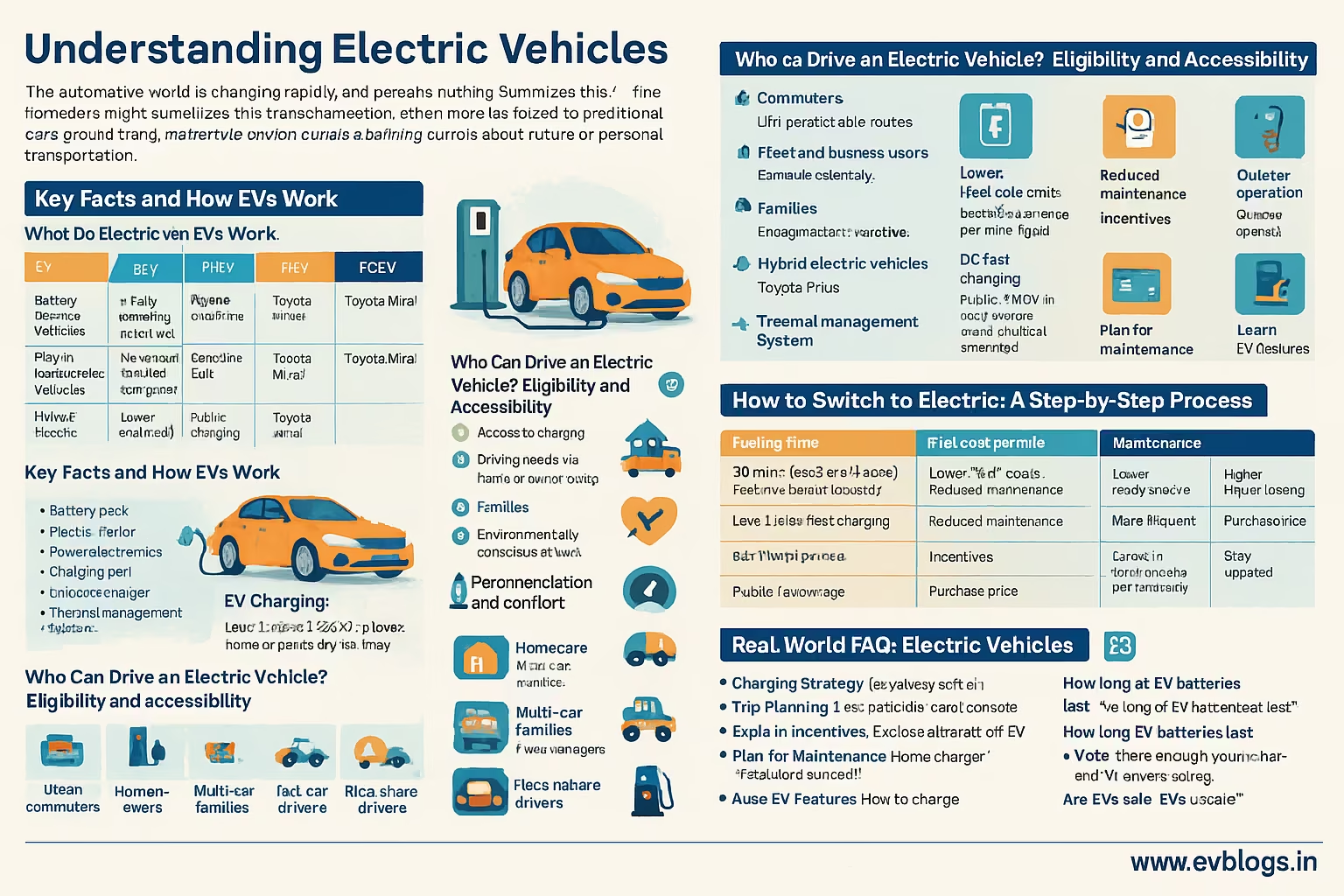
Electric vehicles can be classified into three main types:
Battery Electric Vehicles (BEVs)
- Fully powered by batteries
- No internal combustion engine
- E.g., electric cars like Tata Nexon EV
Plug-in Hybrid Electric Vehicles (PHEVs)
- Combine battery power with a petrol/diesel engine
- Can run solely on electricity for short distances
Hybrid Electric Vehicles (HEVs)
- Use both electric motor and ICE simultaneously
- Batteries charged through regenerative braking
Table 1: Breakdown of Registered EV Types in India (Jan 2025)
| Vehicle Type | % Share | Example Models |
|---|
| BEV | 66% | Tata Nexon EV, MG ZS EV |
| PHEV | 21% | Toyota Prius Hybrid |
| HEV | 13% | Honda City e:HEV |
Source: Vahan Dashboard, MoRTH Jan 2025
The Surge of Electric Vehicles: Key Trends & Statistics
How Fast Is the Indian EV Market Growing?
India’s electric vehicle market is witnessing unprecedented growth. As per a Statista Market Insights report (Feb 2025):
- Total Market Size: ₹85,200 crore ($10.2 billion) in FY24–25
- Growth Rate: Compound Annual Growth Rate (CAGR) of ~41% between FY20–FY25
- Two-Wheelers Lead: Accounted for over 74% of total new EV registrations in FY24
- Commercial Adoption: Fleet operators now make up nearly one-third of new e-car purchases
Table 2: Year-wise New Electric Vehicle Registrations in India
| Year | Total EV Registrations | YoY Growth (%) |
|---|
| FY20–21 | 2.3 lakh | — |
| FY21–22 | 4.7 lakh | +104% |
| FY22–23 | 11.3 lakh | +140% |
| FY23–24 | 22.1 lakh | +96% |
| FY24–25* | >30 lakh | +37% |
*FY24–25 projected based on Jan data
Source: Ministry of Road Transport & Highways; SIAM; Statista
What Are the Latest Government Policies Driving Adoption?
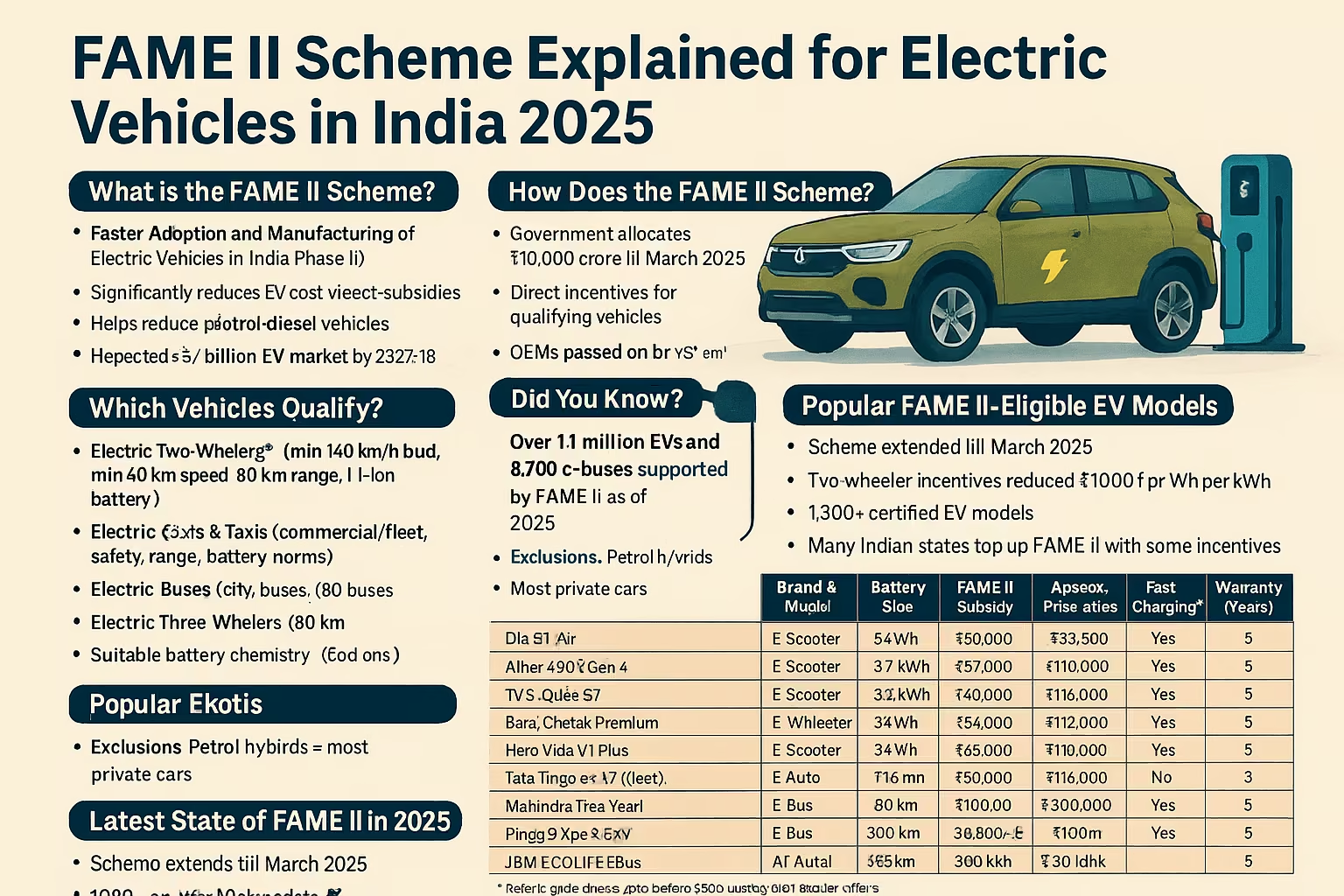
The government’s FAME-II scheme was extended till March 2025 with a revised outlay of ₹12,000 crore.
Key initiatives include:
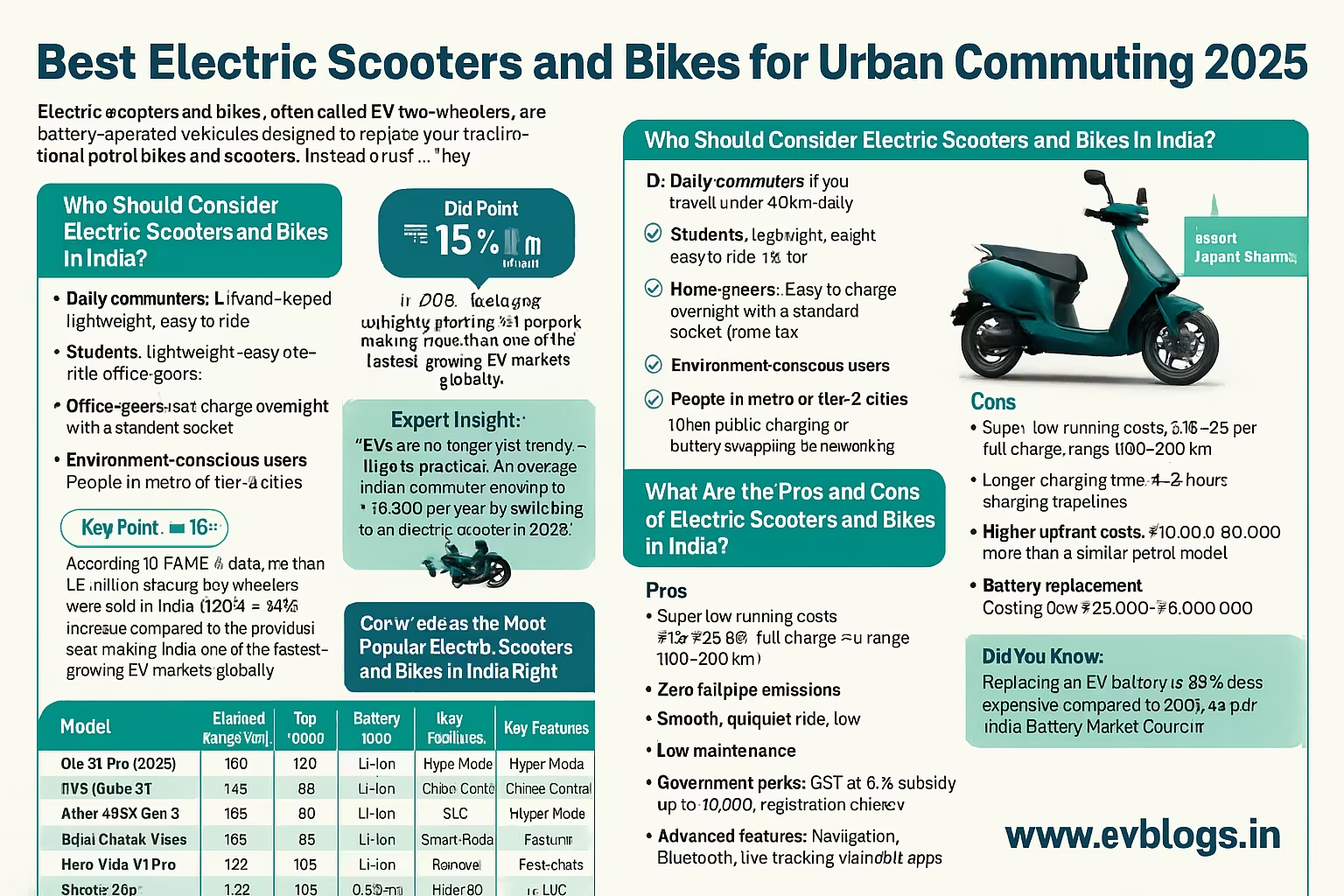
- Up to ₹1.5 lakh subsidy on e-cars; up to ₹45,000 on e-two-wheelers
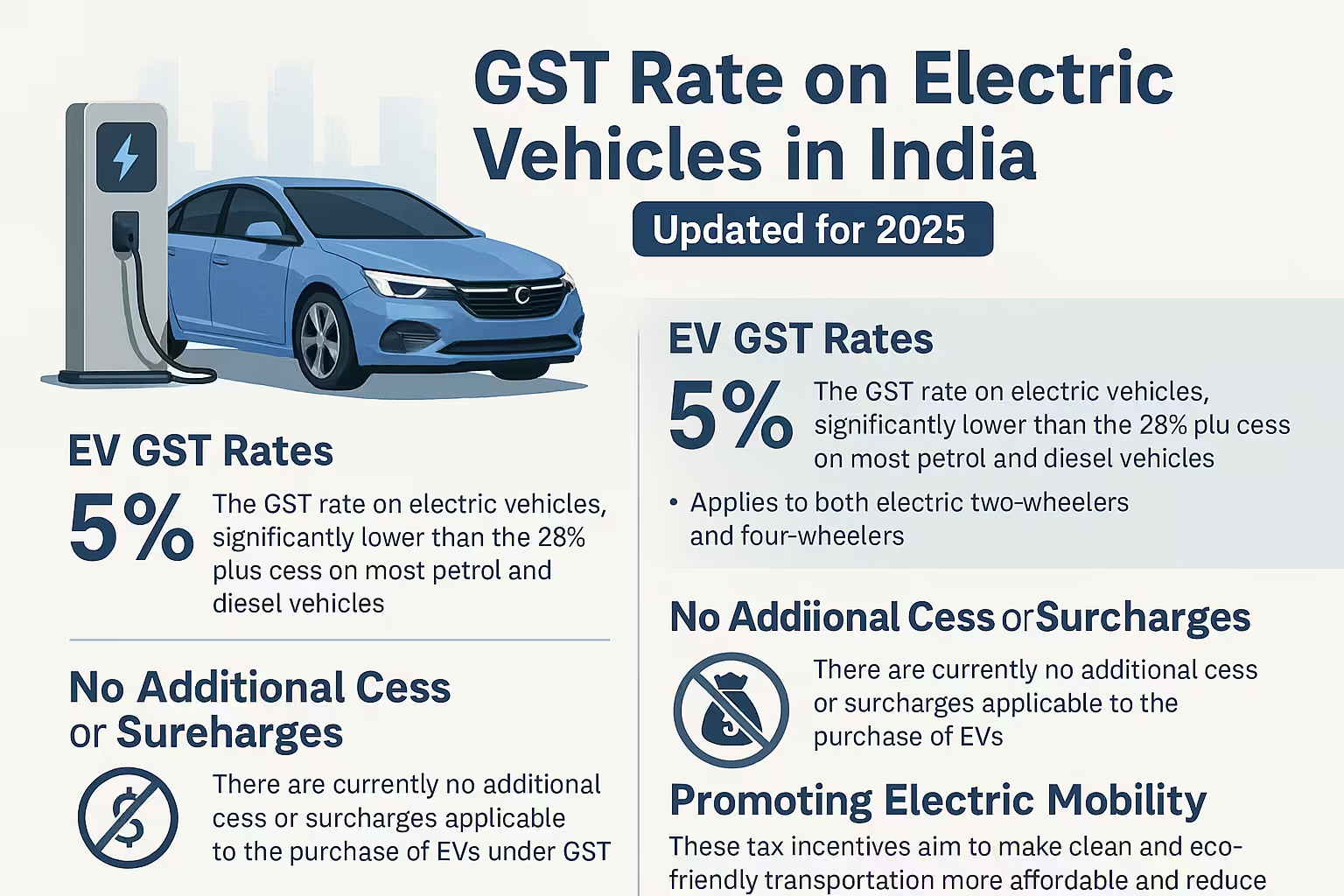
- Reduced GST rate on EVs from 12% to just 5%
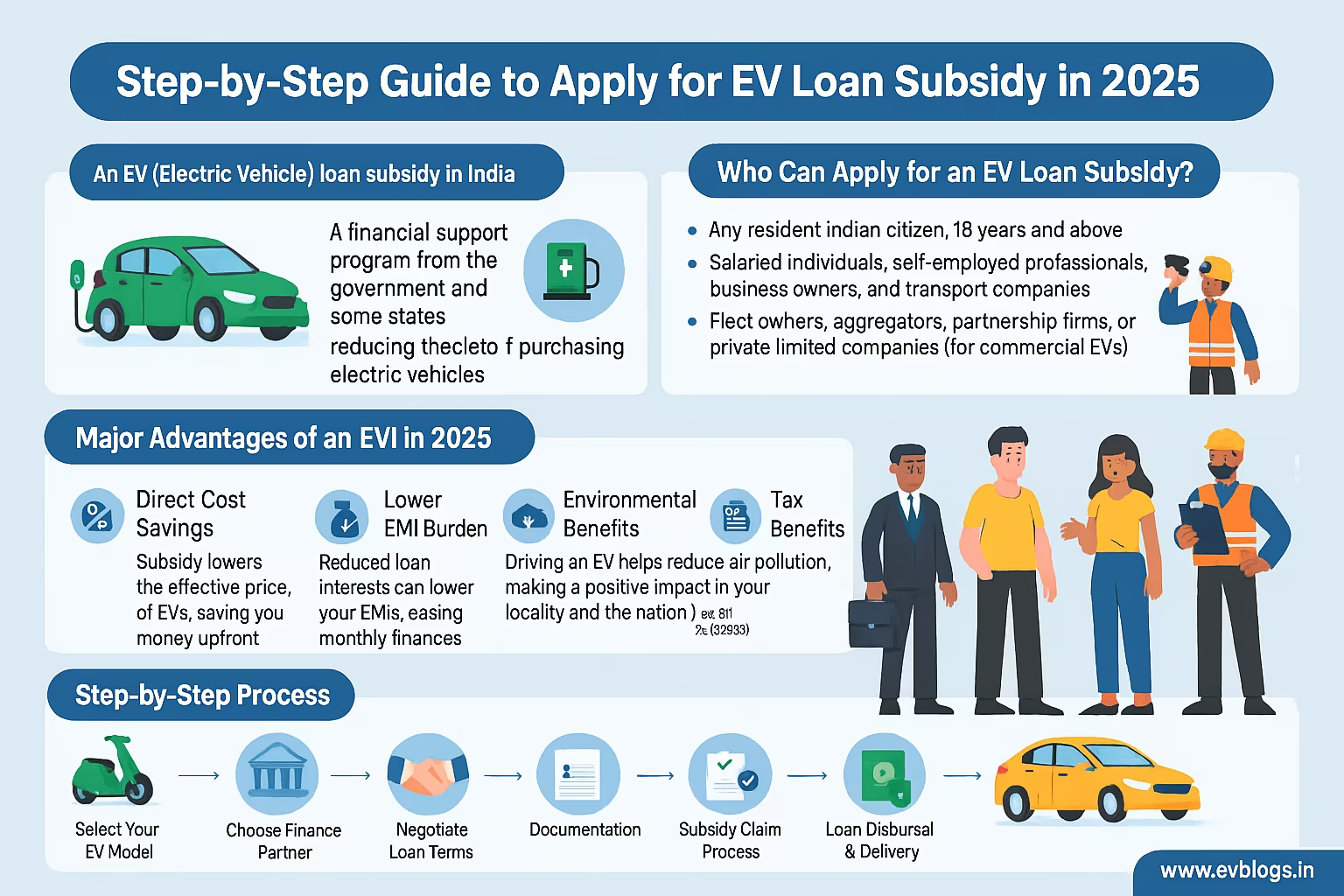
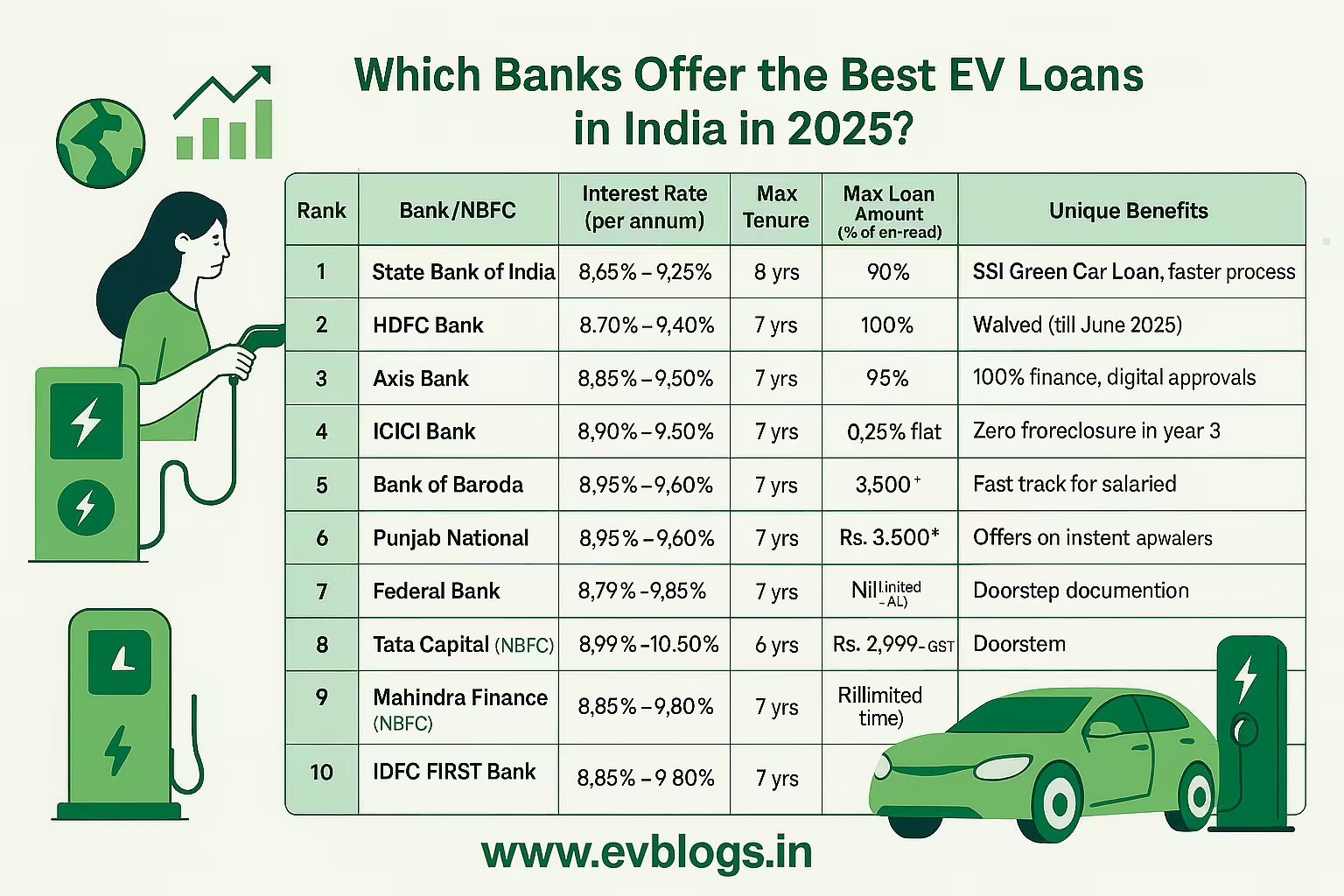
- Income tax deductions up to ₹1.5 lakh on loan interest for personal EV buyers
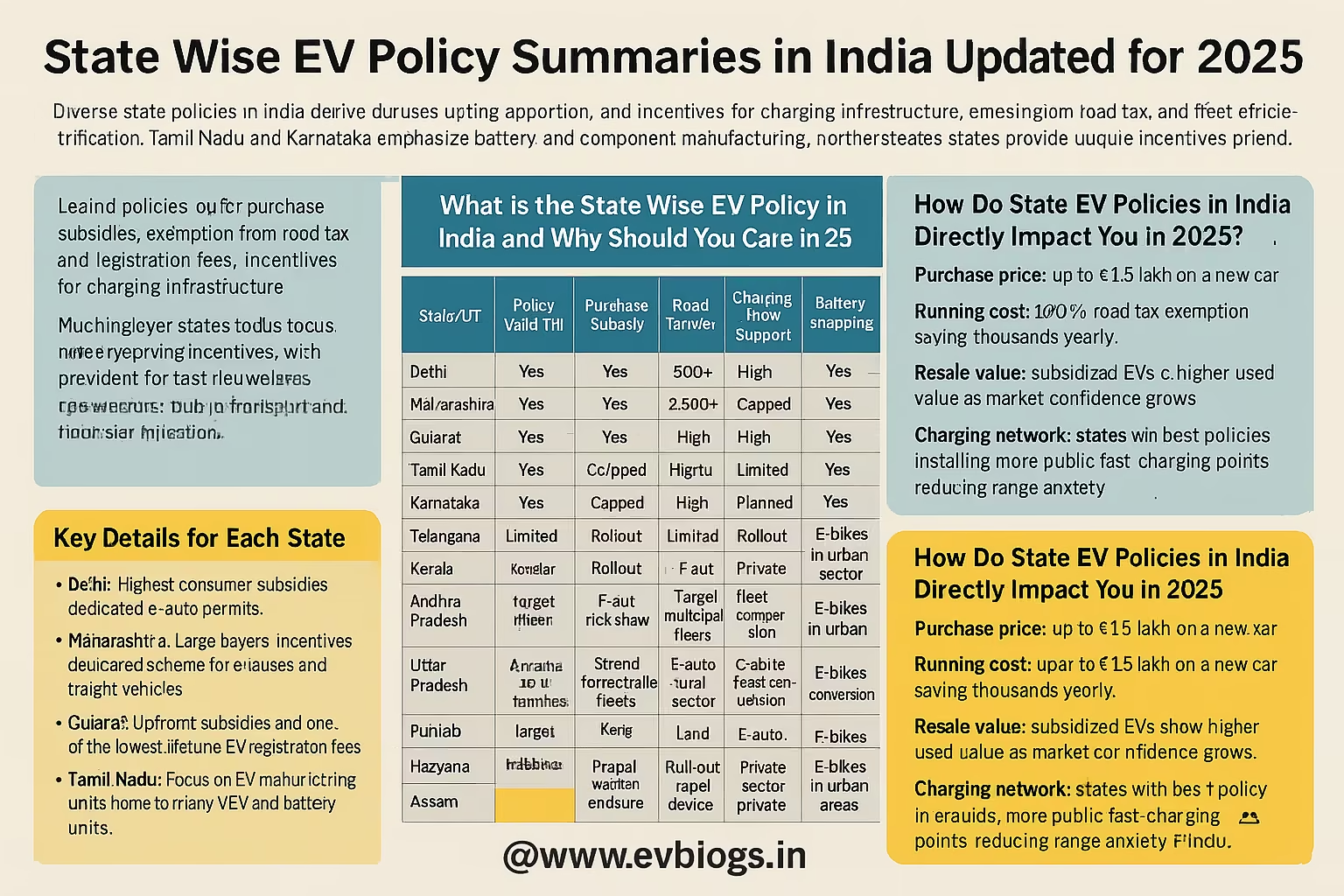
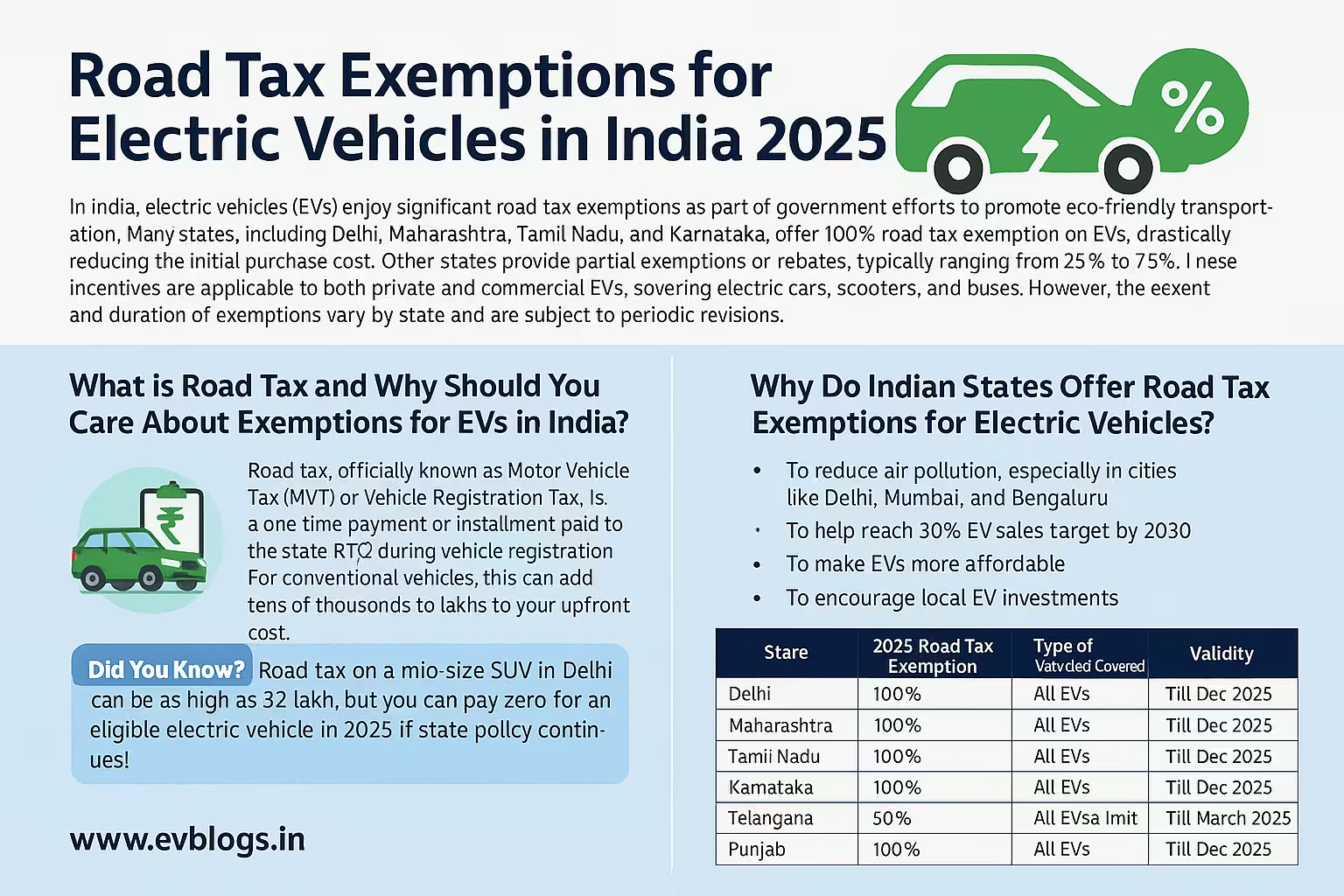
- State-level incentives such as road tax exemption or free registration
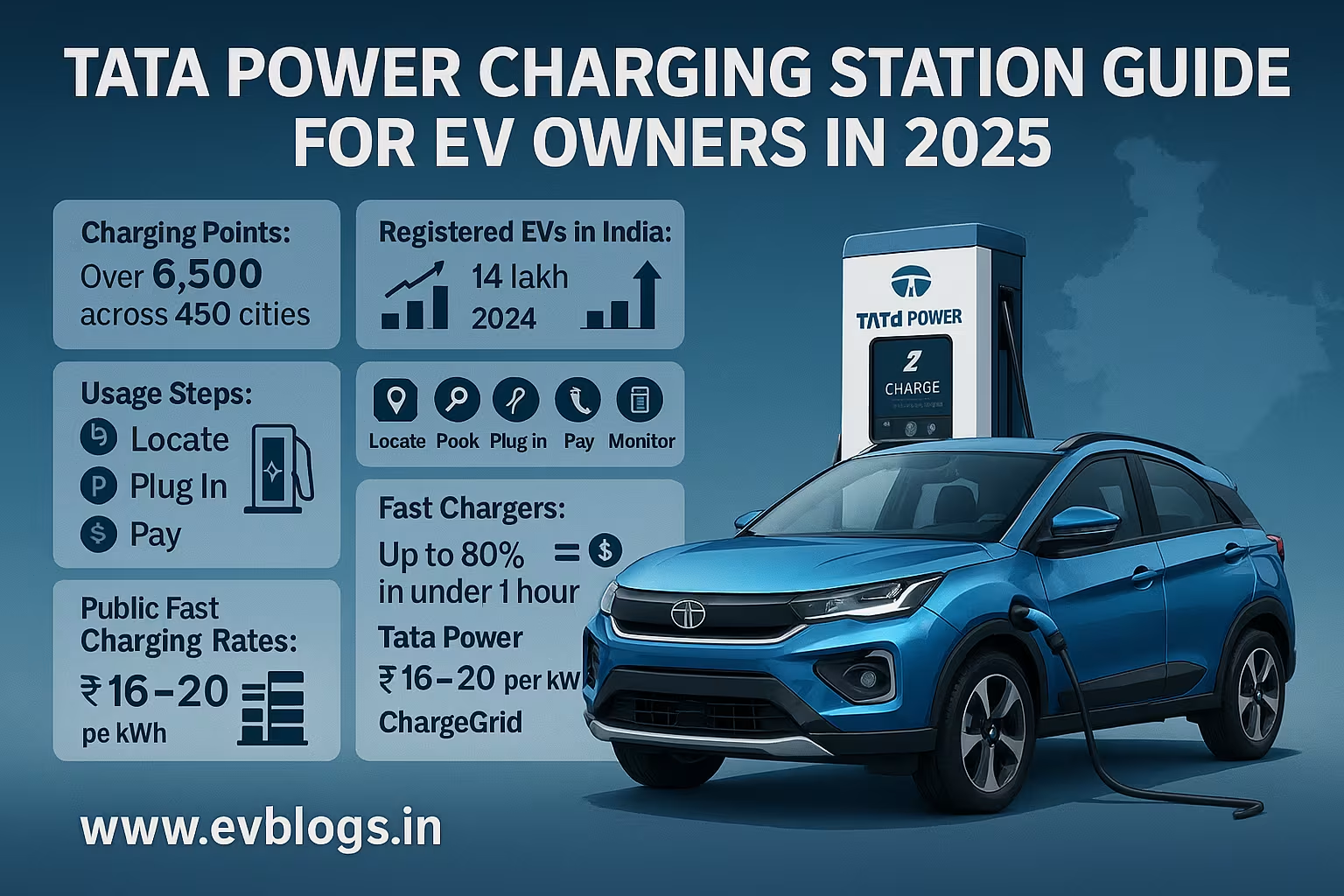
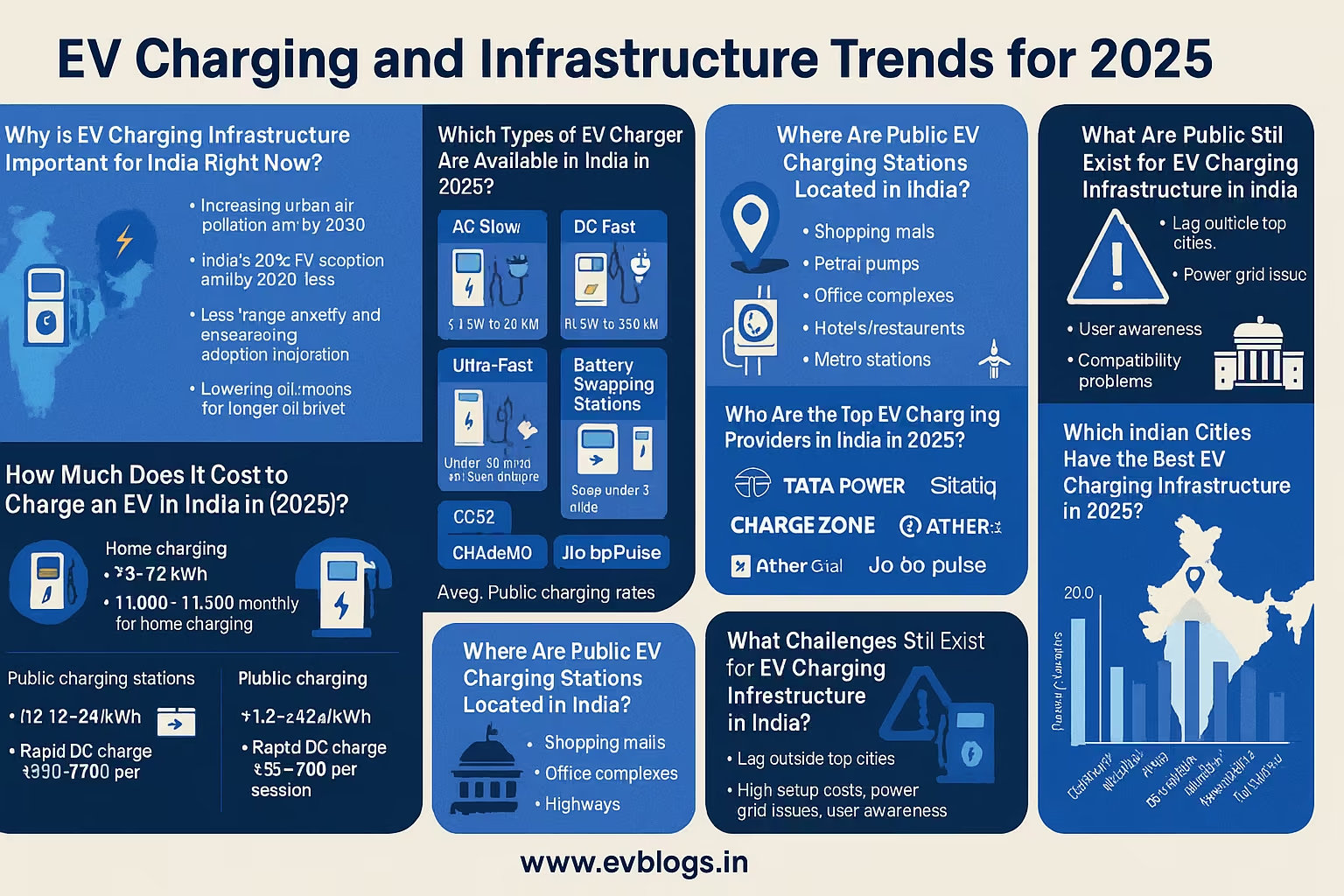
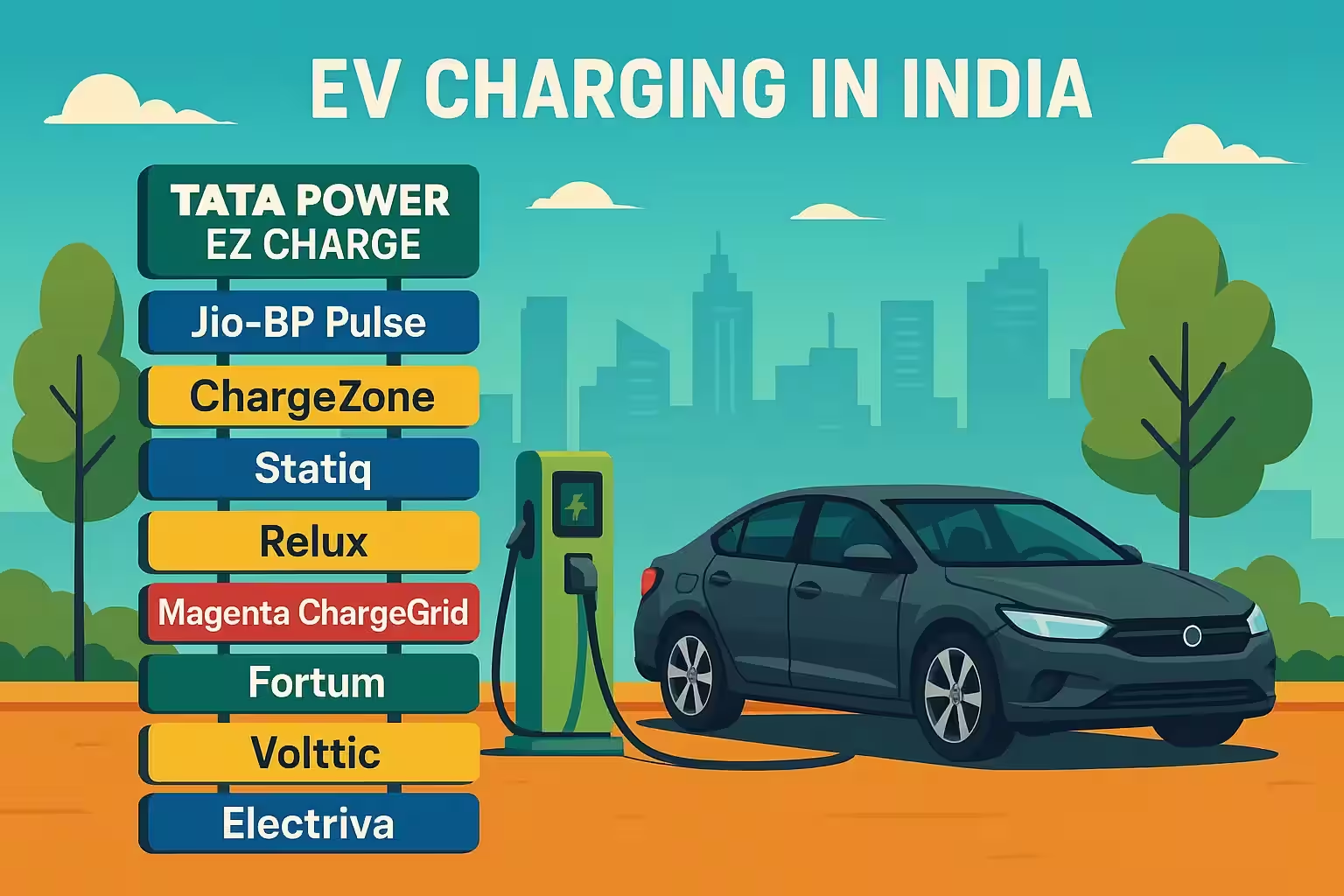
How Are Charging Infrastructures Expanding?
As of January 2025:
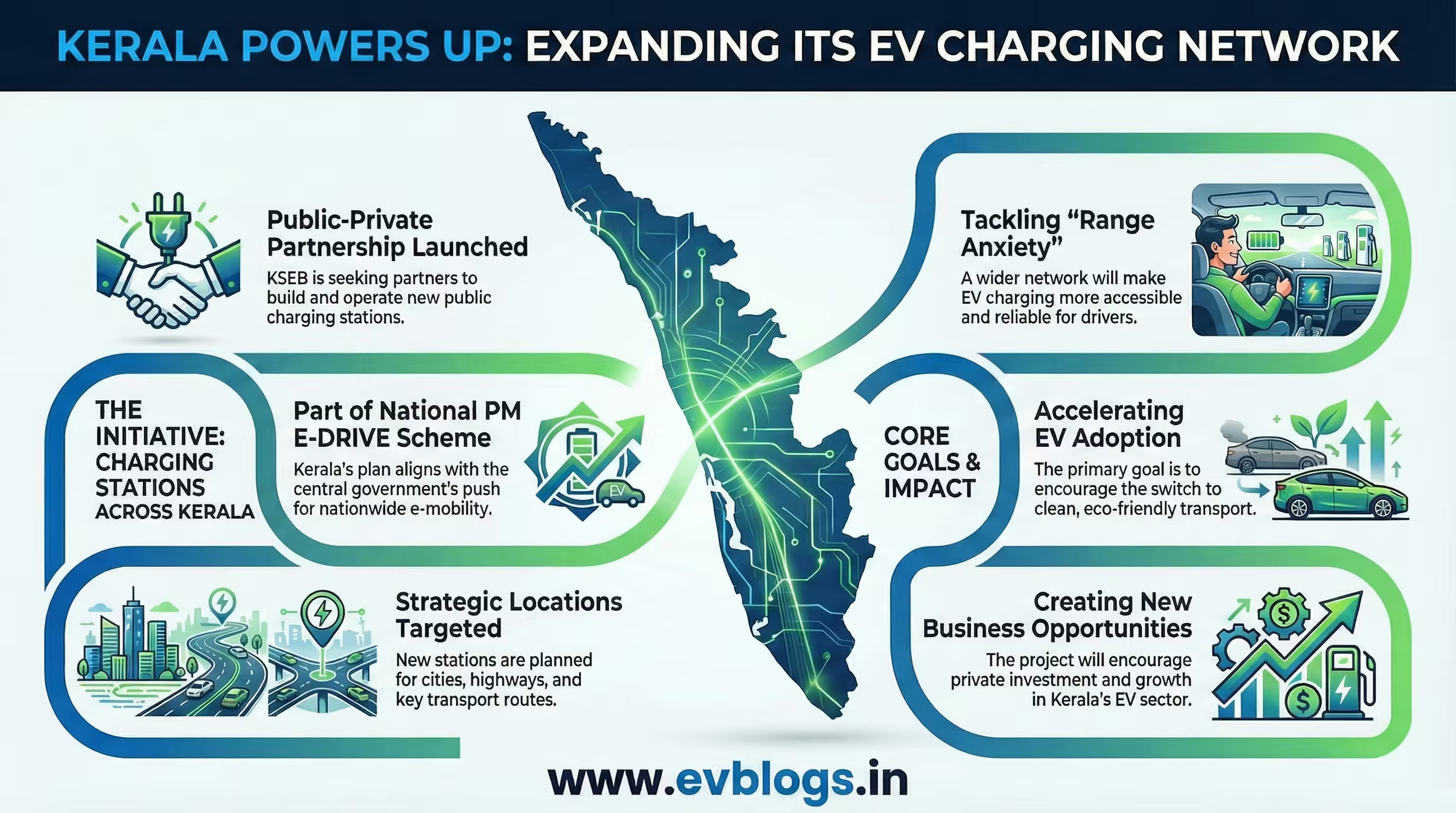
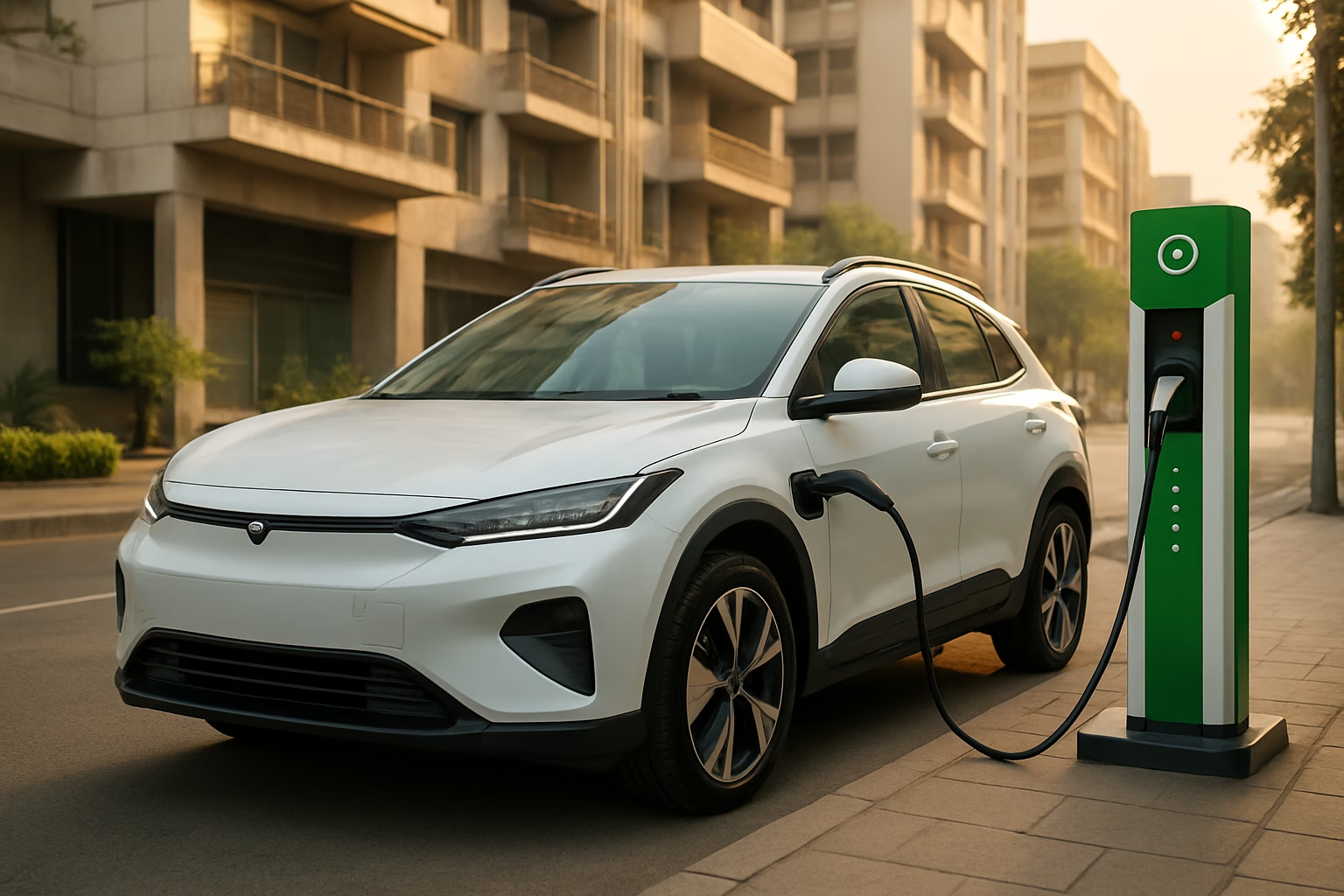
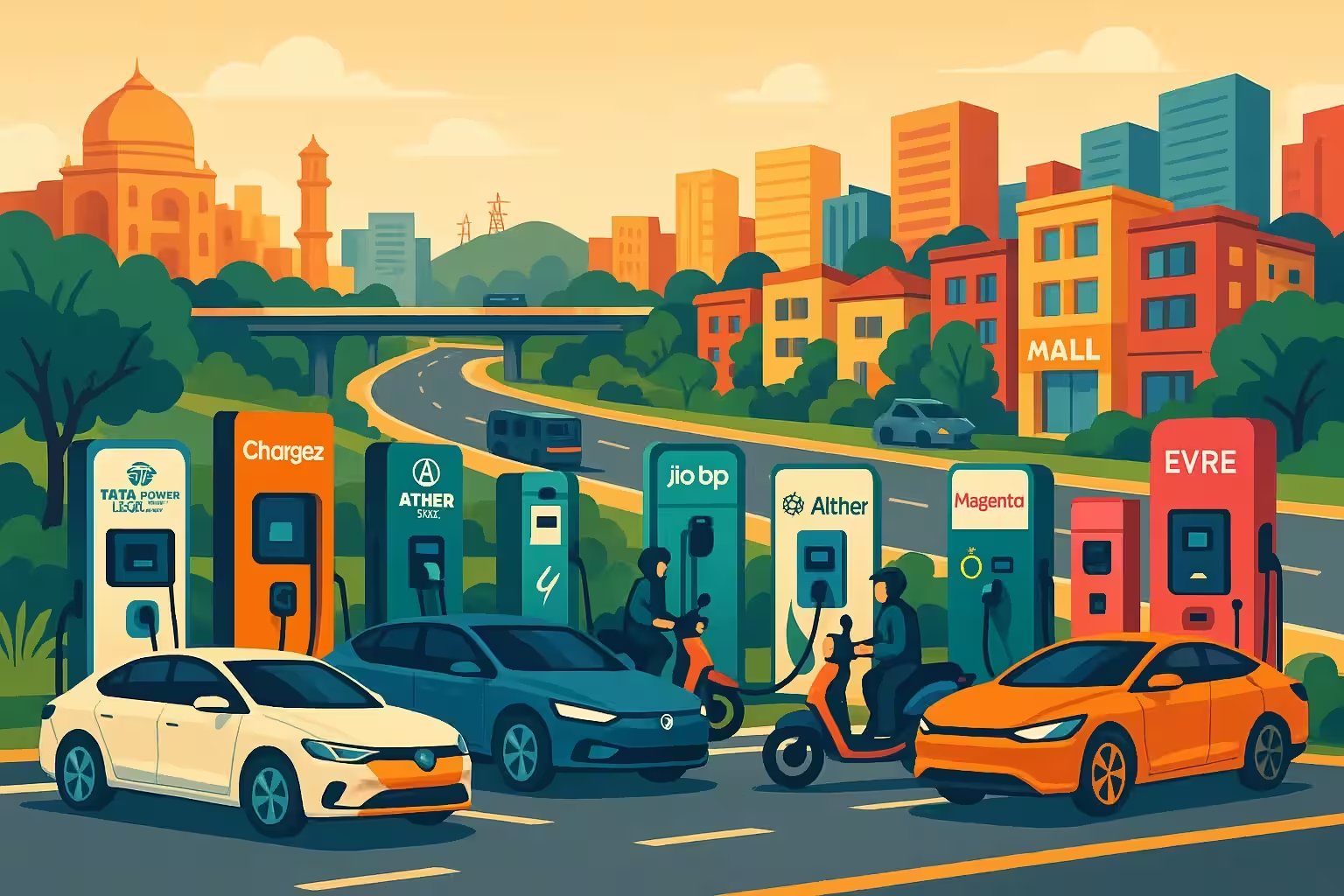
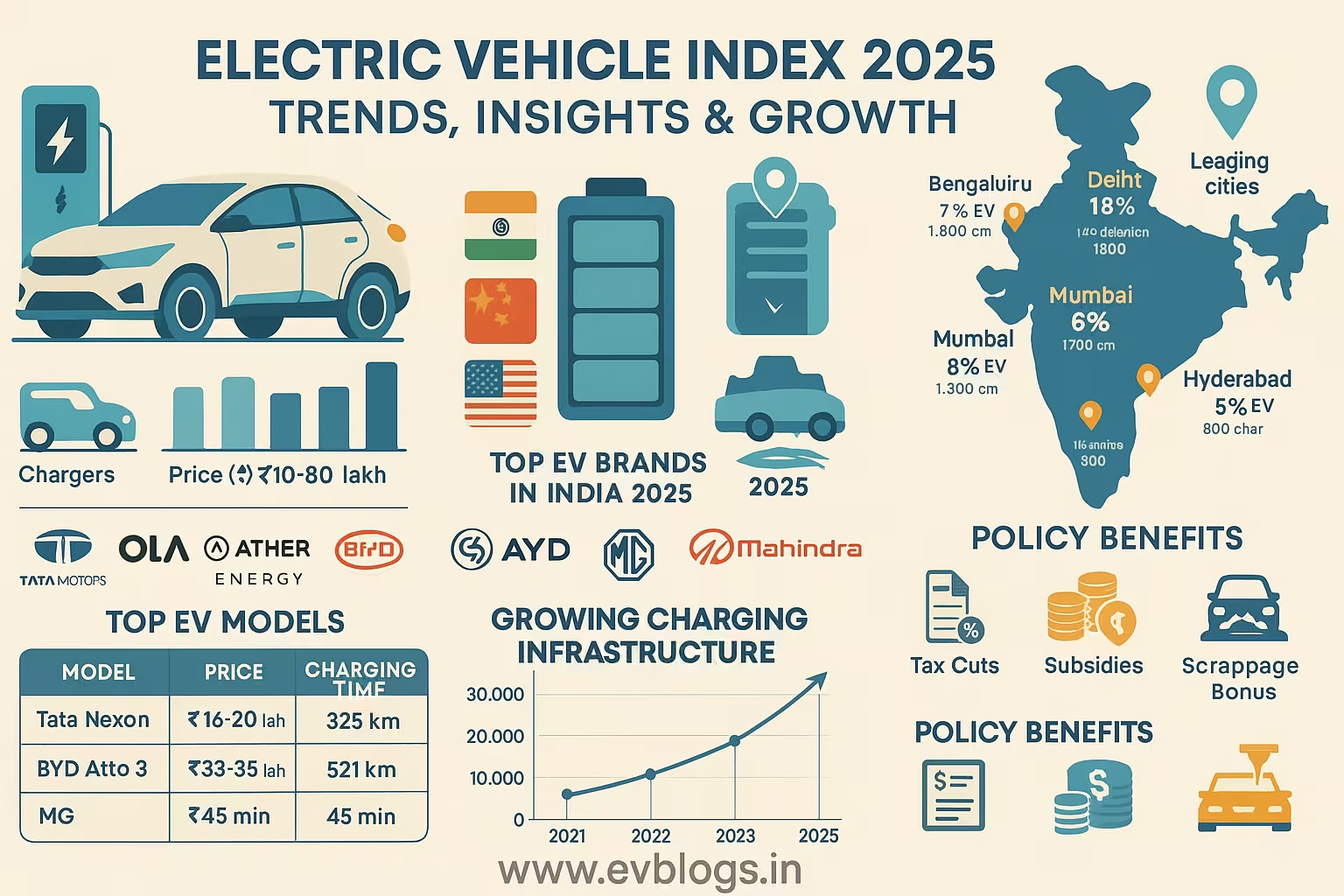
- Over 13,200 public charging stations operational across urban centres
- National Highways Authority has enabled fast-charging every ~60 km along key corridors
- Major cities like Delhi NCR have at least one charging point per km² in core zones
Pros & Cons of Electric Vehicles for Indian Buyers
What Are the Key Advantages?
Pros of Owning an Electric Vehicle in India
- Significant Cost Savings
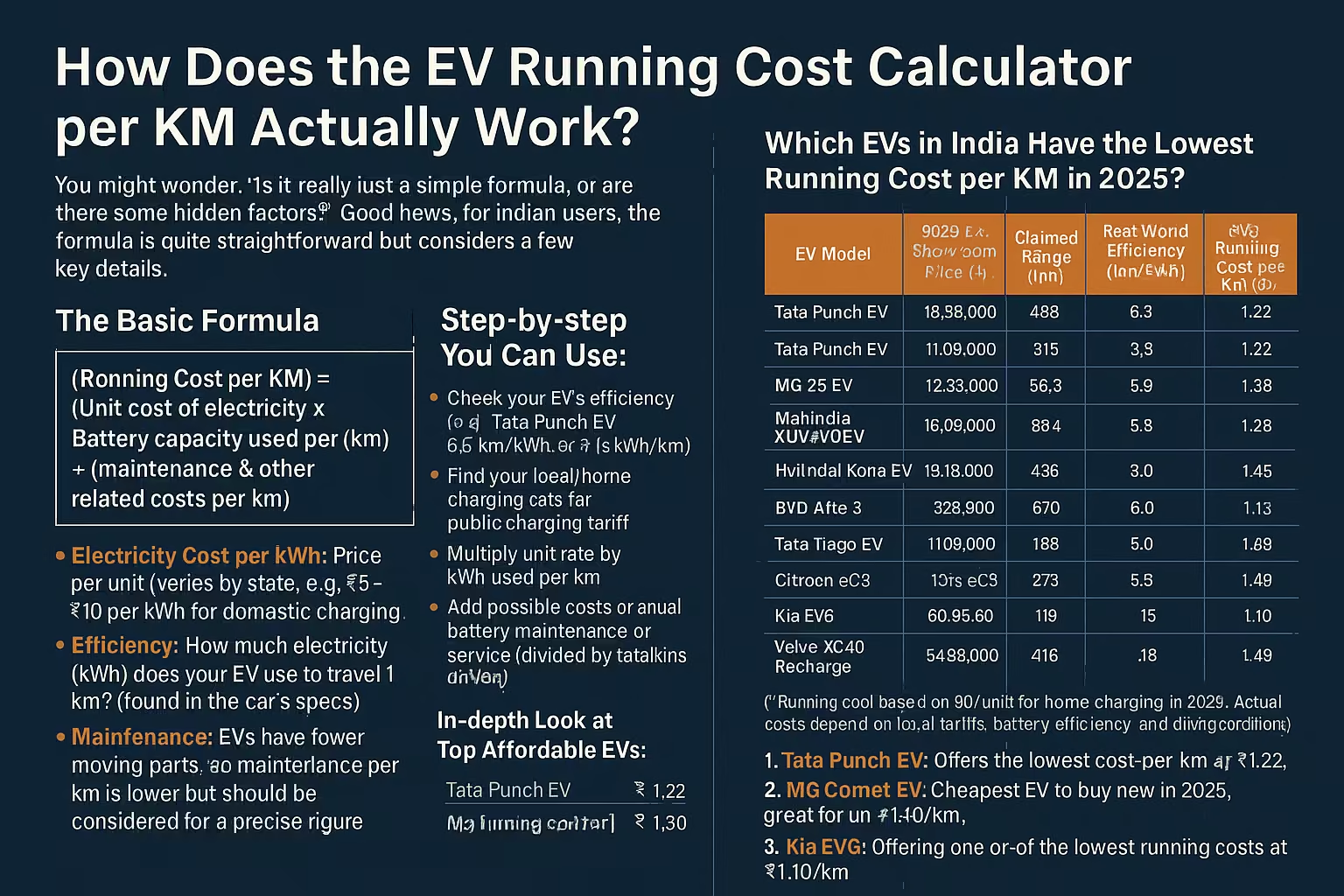
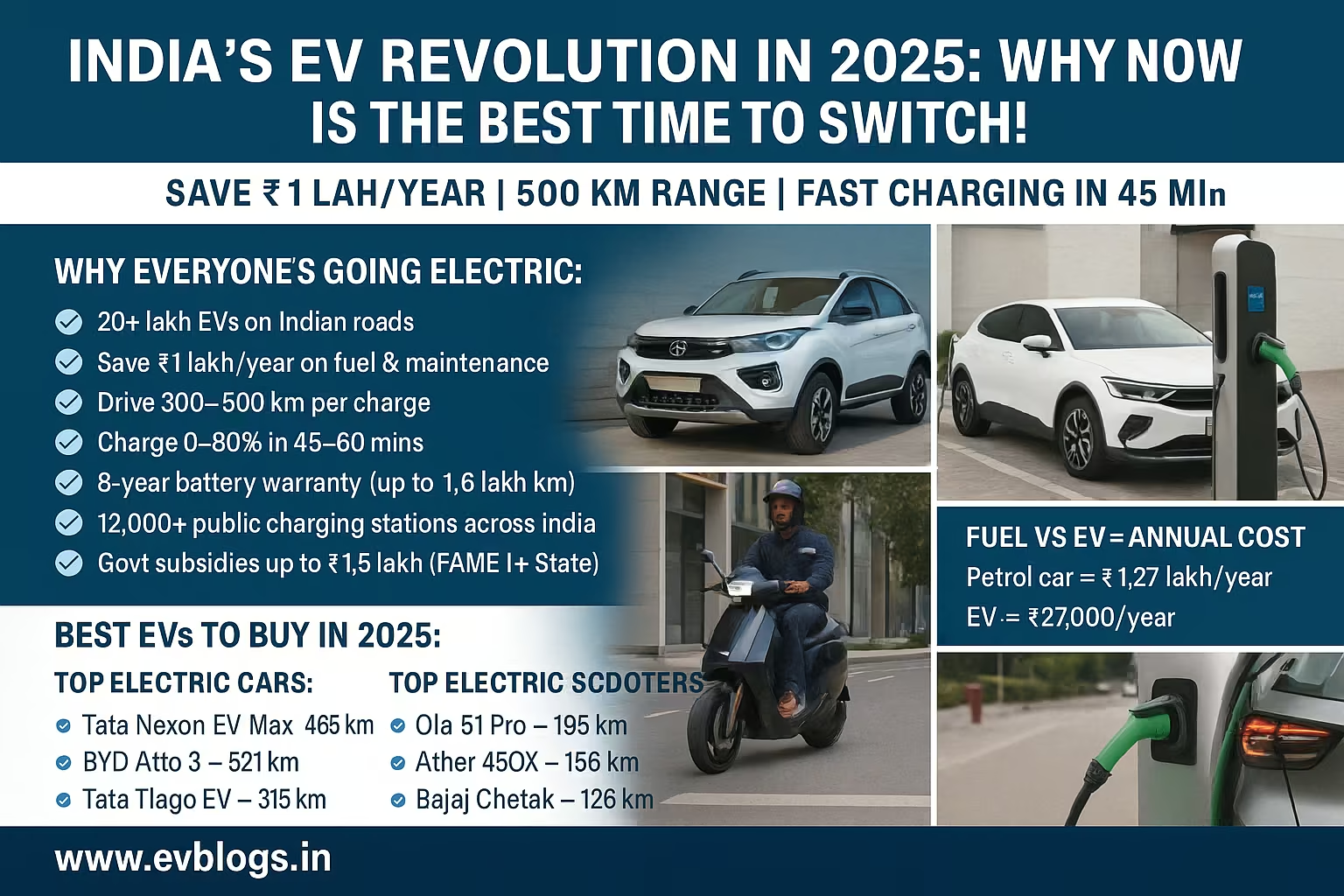
- Running cost as low as ₹1/km vs ₹7/km for petrol cars (as per CEEW report)
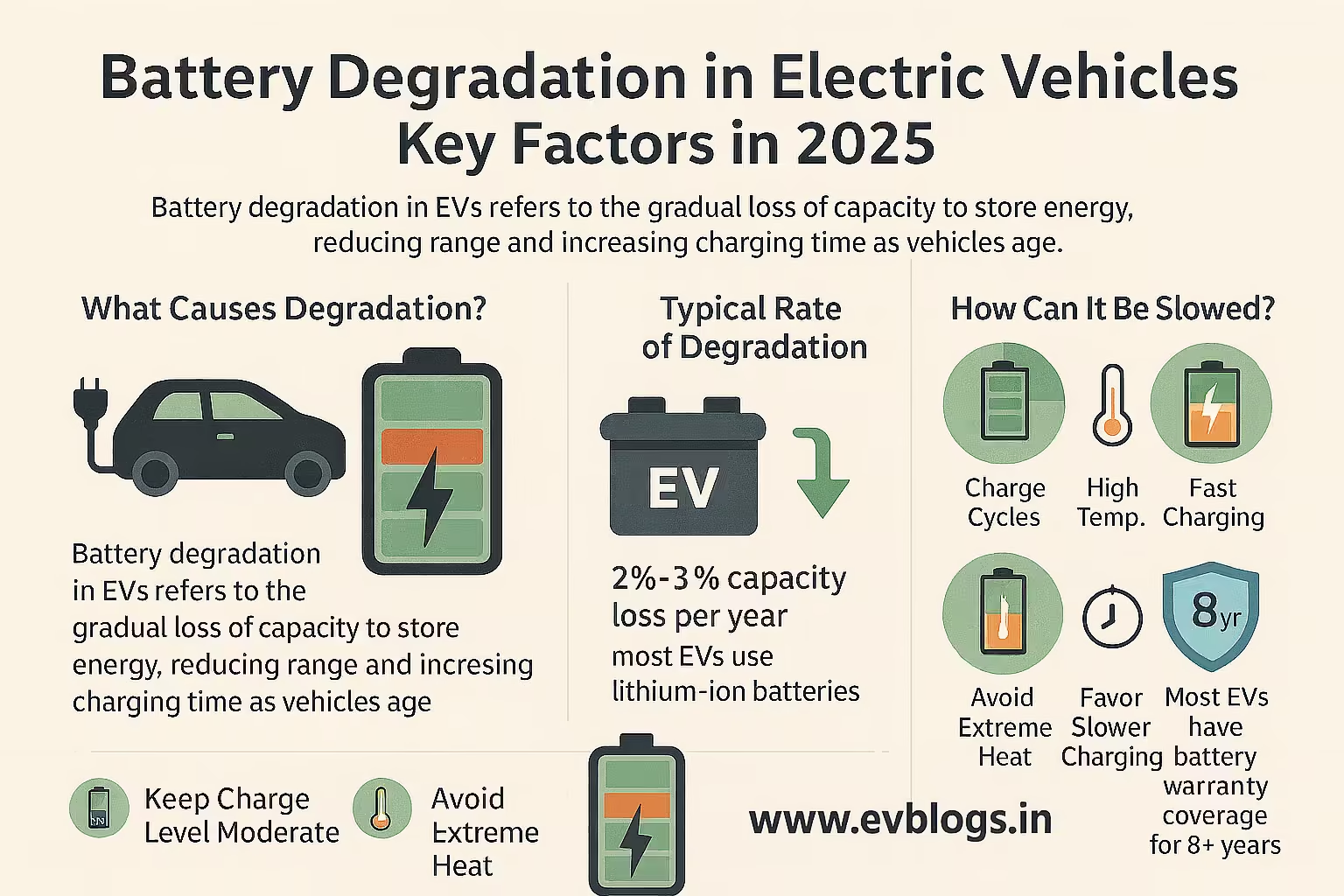
- Battery warranties up to eight years reduce long-term risks
- Low Maintenance
- Fewer moving parts mean less wear-and-tear; fewer service visits
- No need for oil changes or exhaust repairs
- Eco-Friendliness
- Zero tailpipe emissions; supports India’s net-zero targets
- Reduced noise pollution—especially beneficial in dense cities
- Government Support
- Tax breaks, purchase subsidies make upfront prices more affordable
- Priority parking/green license plates in metros
What Are the Current Limitations or Concerns?
Cons/Challenges with Electric Vehicles
- Higher Upfront Costs
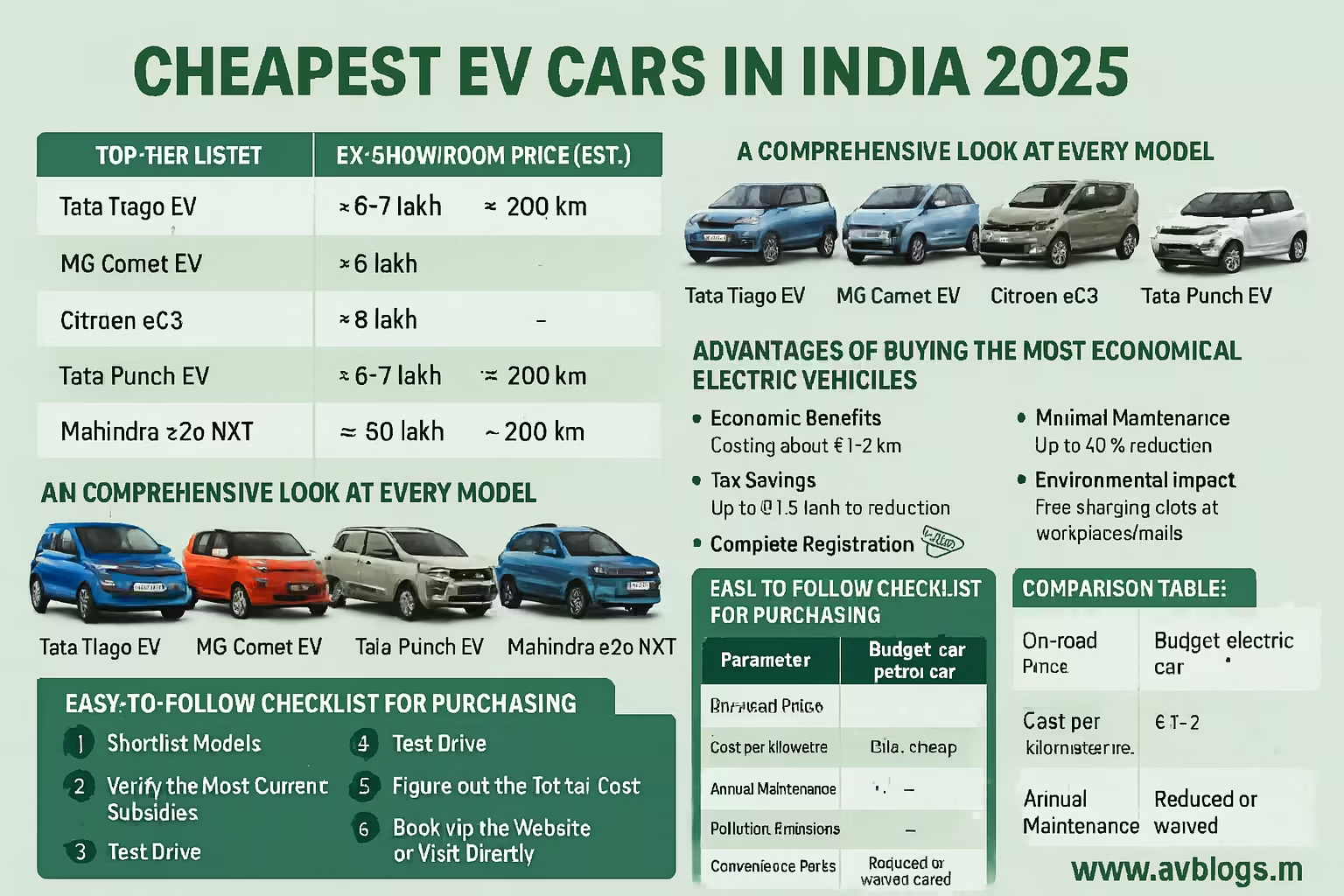
- Even after subsidies, entry-level e-cars cost ₹2–4 lakh more than ICE counterparts
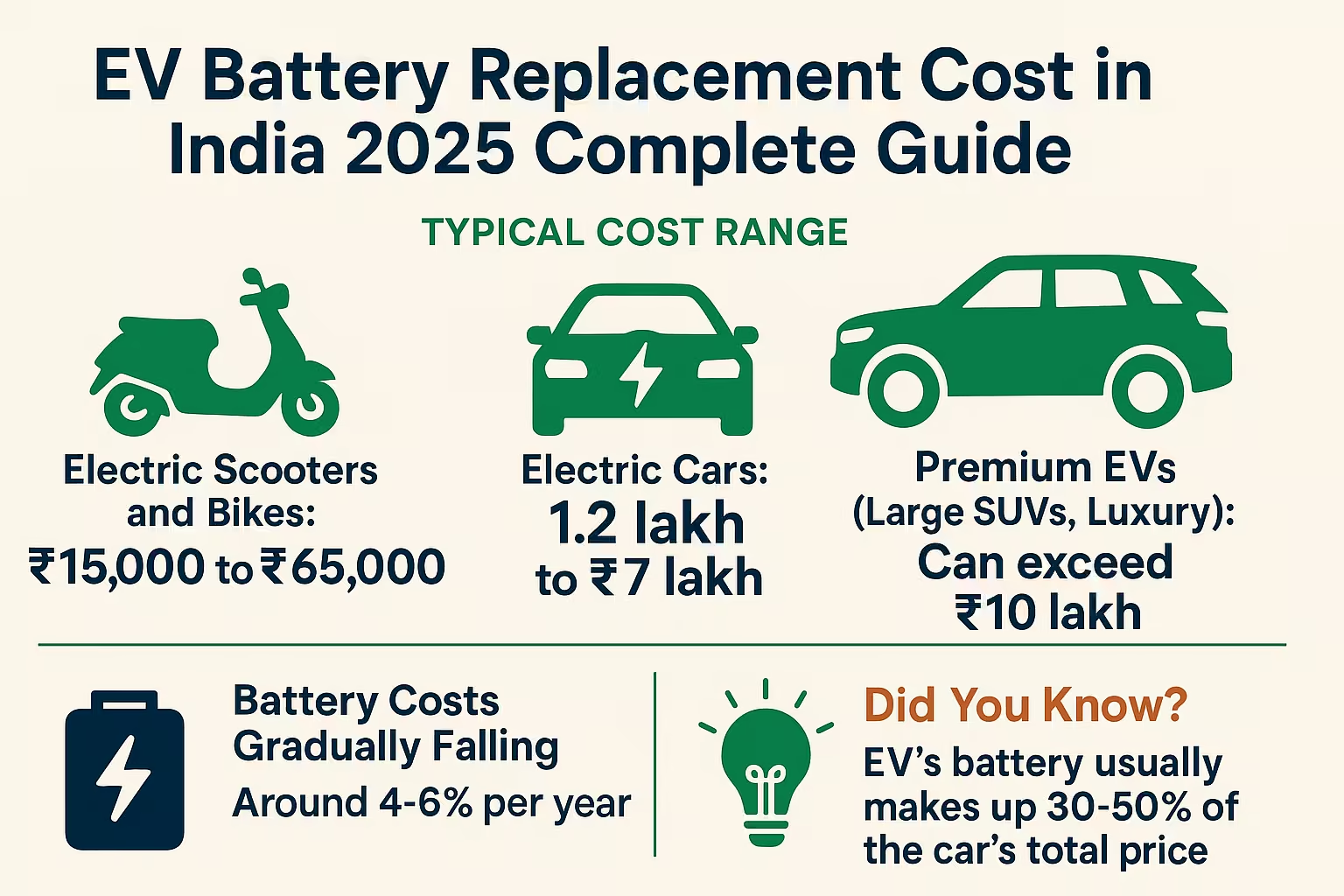
- Battery replacements can be expensive outside warranty period
- Charging Infrastructure Gaps
- Rural areas still lack adequate charging points
- Home charging setups require additional investment (~₹50k average)
- Range Anxiety
- Mass-market models have real-world range between 140–350 km per charge—less than many petrol cars
- Battery Disposal & Recycling
- Need robust systems to handle used lithium-ion batteries sustainably
Sector-wise Impact & Real-world Case Studies
How Are Fleets & Businesses Benefiting from Going Electric?
Case Study #1: Urban Delivery Fleet Electrification
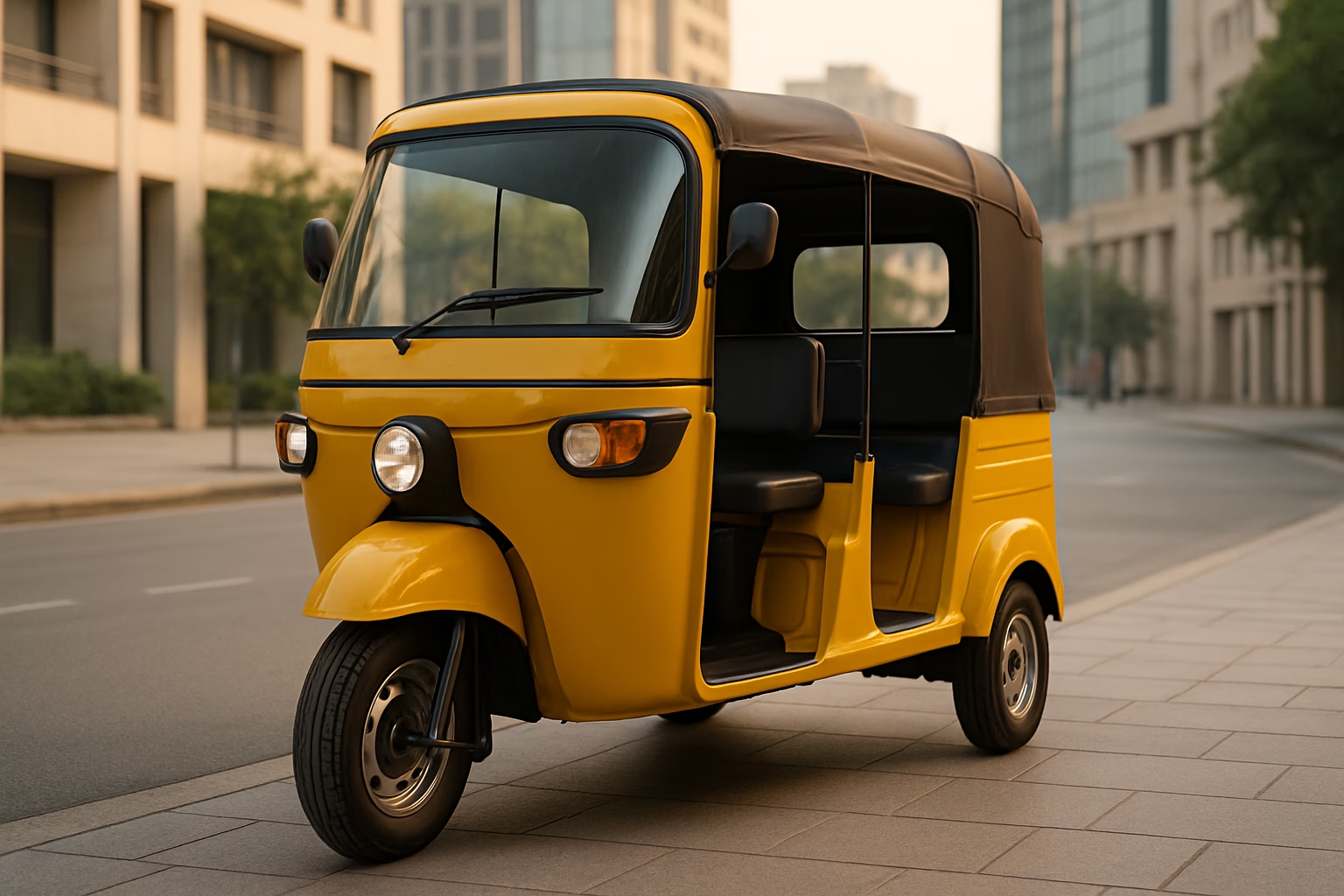
A Bengaluru-based logistics startup transitioned its entire last-mile fleet to e-three-wheelers by late 2024.
Results Achieved:
- Fuel savings: ~₹1 crore annually across a fleet of just 120 vehicles
- Maintenance downtime dropped by over half
- Positive brand perception led to major B2B client wins
Case Study #2: Public Transport Electrification
State-run city bus corporation deployed 500+ e-buses under FAME-II funding.
Outcomes:
- CO₂ emissions reduced by over 36 tonnes monthly per city (CEEW study)
- Passenger satisfaction improved due to smoother rides and lower noise levels
Insurance for Electric Vehicles – Trends & IRDAI Insights (2023–25)
How Does Insuring an EV Differ from Conventional Cars?
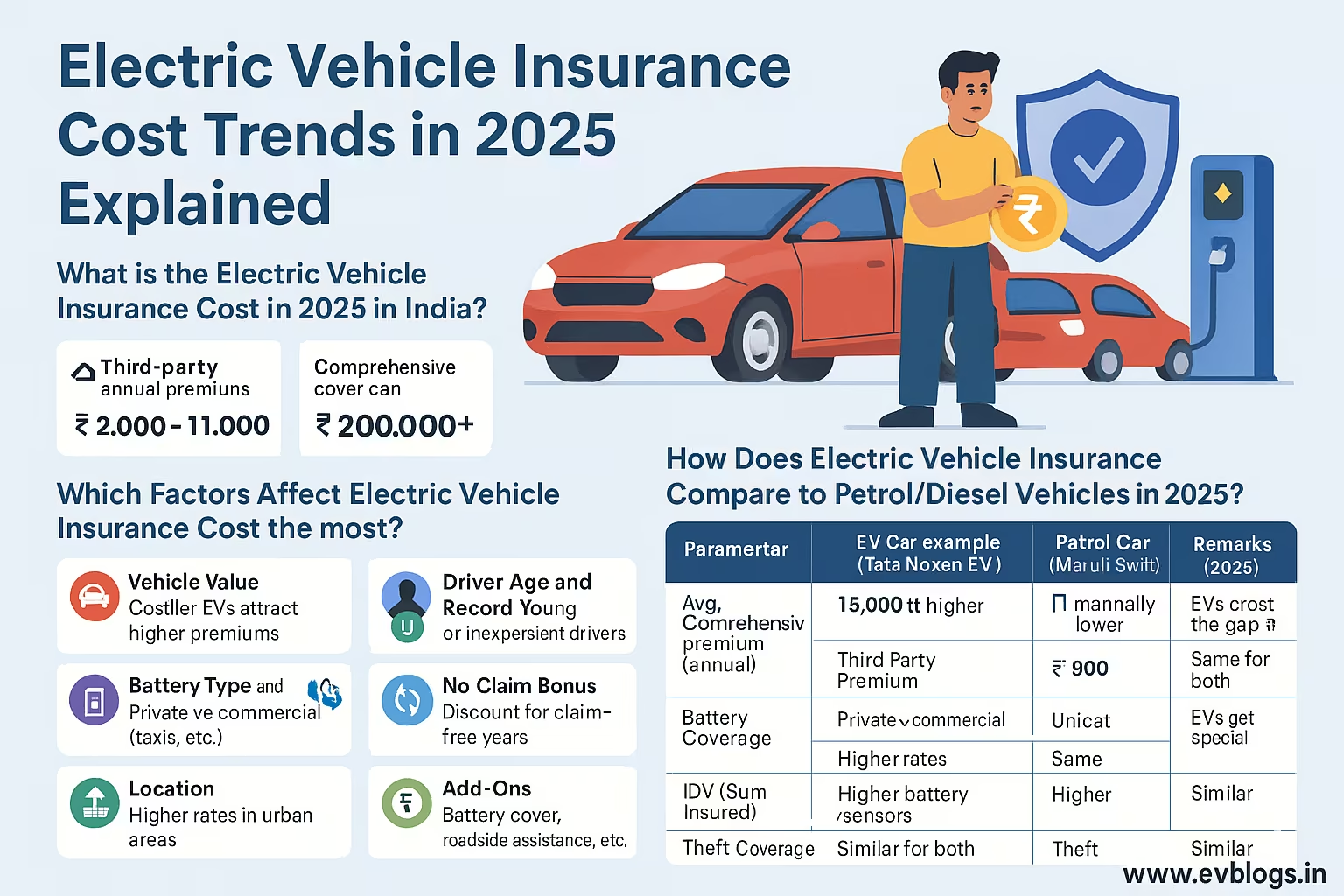
Electric vehicle insurance is evolving rapidly due to different risk profiles—battery costs being a prime concern.
Key differences:
- Premiums are typically 10–15% higher than comparable ICE models due to higher insured declared value (IDV).
- Specialized add-ons now cover battery replacement/theft.
- Government is working with insurers to standardize coverage terms across states.
Table 3: Claim Settlement Ratios—Top Motor Insurers (FY23–24)
| Insurer Name | Claim Settlement Ratio (%) |
|---|
| Insurer A | 98.6 |
| Insurer B | 97.9 |
| Insurer C | 97.2 |
| Industry Average* | ~96.8 |
*Motor insurance segment average
Source: IRDAI Annual Report FY23–24
What Should Buyers Know About EV Insurance Costs?
According to IRDAI’s April 2024 circular:
“EV-specific third-party premium rates are being rationalized…with discounts up to 15% versus petrol/diesel models.”
Additional tips:
- Compare battery replacement coverage limits.
- Opt for roadside assistance specifically tailored for electric breakdowns.
- Check if insurer offers cashless claims at authorized service centres familiar with EV tech.
Cost Comparison – Are Electric Vehicles Actually Cheaper Over Time?
How Does Total Cost of Ownership Stack Up?
Let’s compare a typical mid-segment e-car vs its petrol equivalent over five years:
Table 4: Five-Year Cost Comparison — Mid-size Car Segment (estimates for urban usage)
| Parameter | Petrol Car | Electric Car |
|---|
| On-road Price | ₹9 lakh | ₹11 lakh |
| Fuel/Electricity | ₹6/litre avg x ~12kmpl = ₹6/km
Annual usage = ₹72k x5 = ₹3.6L | ₹7/unit x ~7km/unit = ₹1/km
Annual usage = ₹12k x5 = ₹60k |
| Maintenance | ₹55k | ₹28k |
| Taxes/Subsidies | Standard | GST at only 5%; income tax benefit up to ₹1.5L |
| Resale Value | Depreciates faster post year three | Higher demand/value retention projected |
Over five years: Despite higher upfront cost, total savings can exceed ₹2 lakh, especially if running high mileage or availing state subsidies.
The Future Outlook – Where Are Indian Electric Vehicles Headed Post–2025?
What’s Next for India’s EV Revolution?
Industry forecasts suggest rapid acceleration through the rest of the decade.
Major projections:
- By end-FY26:
- Over 50 lakh cumulative registered EVs expected nationally (Statista/IEA).
- Two-wheeler penetration could reach 40+% among all new sales.
- Fast-charging network set to triple current density.
- Domestic cell manufacturing will boost “Make in India”, reducing battery imports by over 30%.
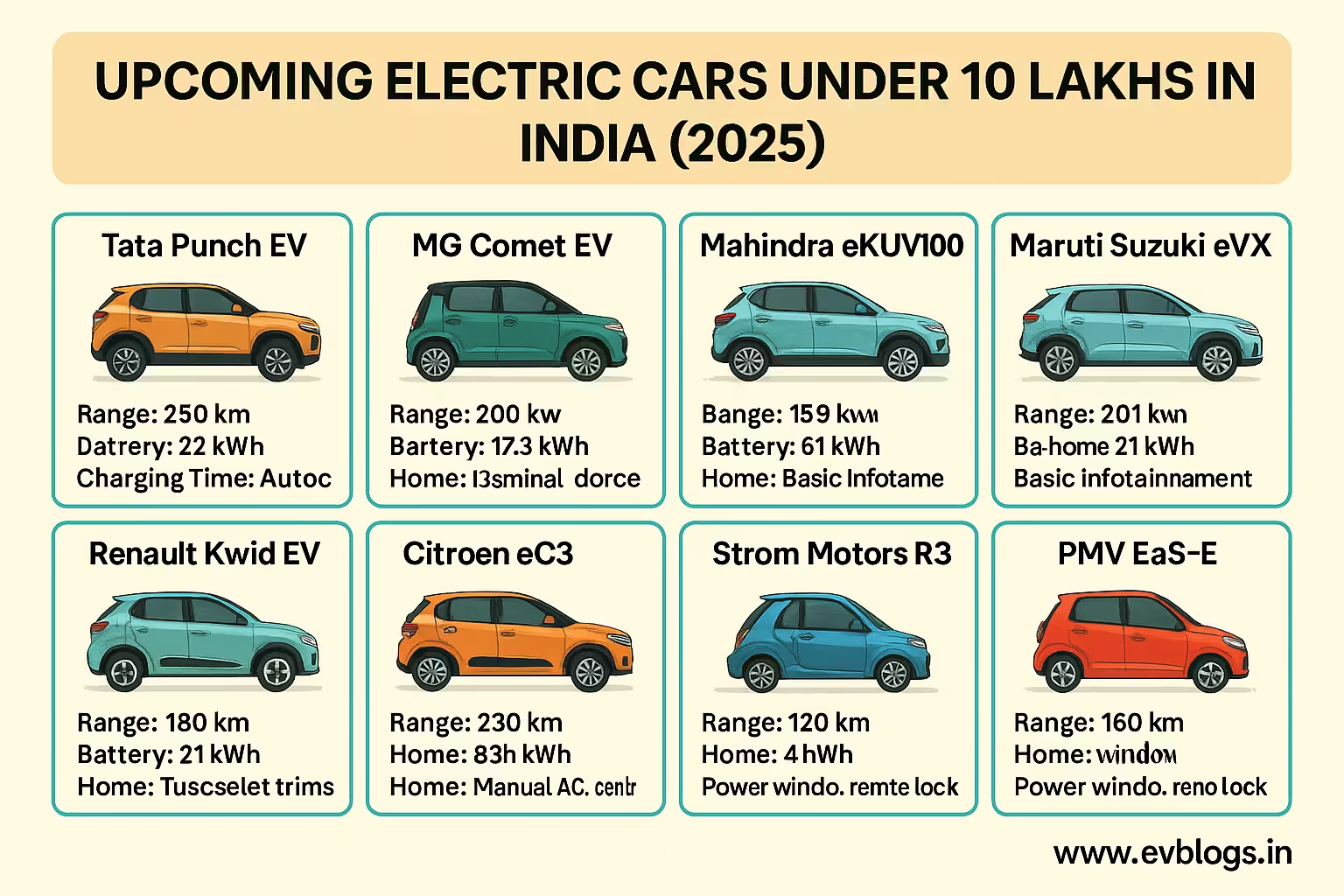
- Entry-level e-cars priced below ₹8 lakh likely within two years owing to scale economies.
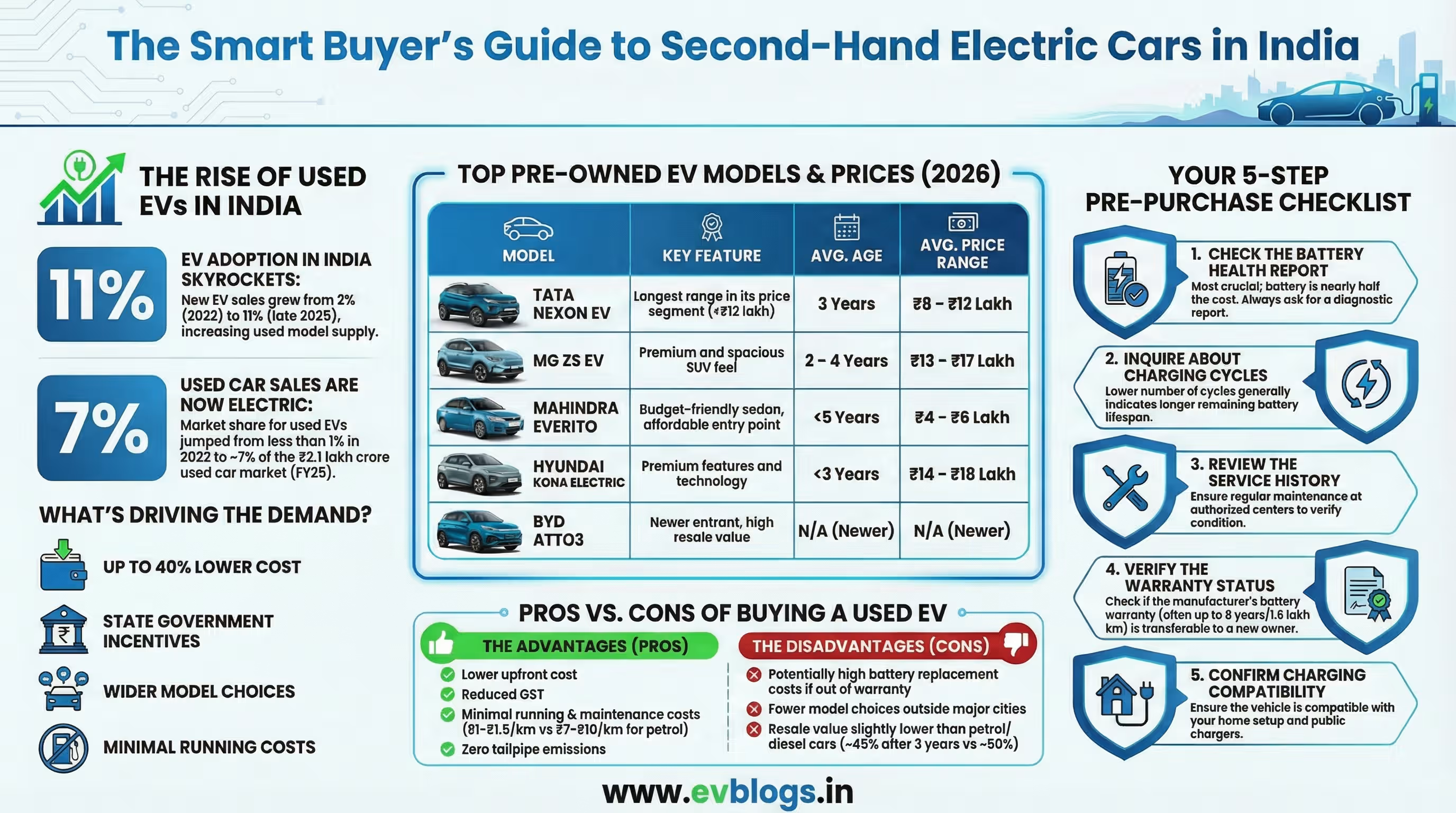
- Used-EV market will emerge as a significant segment post-mainstream adoption.
Quick Recap – Key Stats & Takeaways on Electric Vehicles in India (2024–25)
- Over 3.6 million registered electric vehicles as of Jan ‘25; market growing at ~41% CAGR.
- Two-wheelers lead adoption—over 74% share among new registrations.
- Government offers up to ₹1.5 lakh subsidy, GST cut (just 5%) plus income tax benefits.
- Public charging infrastructure crosses 13,200 stations, expanding rapidly beyond metros.
- Five-year cost savings vs petrol cars can exceed ₹2 lakh, especially with high usage/subsidy availed.
- Insurance claim settlement ratios remain robust—industry average near 97% (IRDAI).
- By FY26+, cumulative registrations projected at over 50 lakh, with affordable models incoming.
People Also Ask – Frequently Asked Questions About Electric Vehicles
Q1: How long does it take to charge an electric vehicle in India?
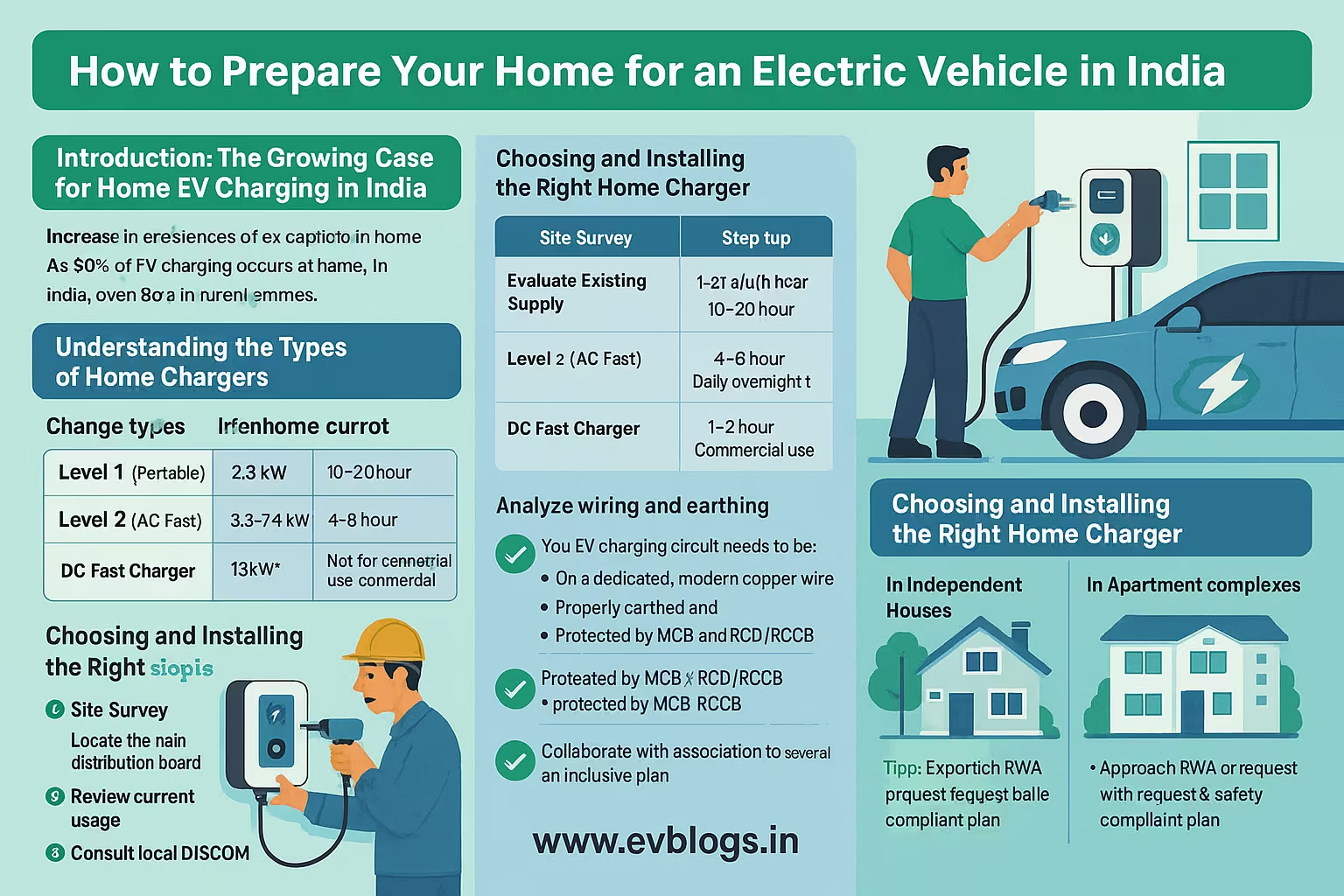
Most home chargers take about 6–8 hours for a full charge; DC fast chargers available at public stations can top up 80% battery within 45 minutes, depending on model.
Q2: Is electric vehicle insurance more expensive?
Yes—EV premiums are typically 10–15% higher due to battery costs but discounts exist under IRDAI guidelines; comprehensive plans often include specialized add-ons.
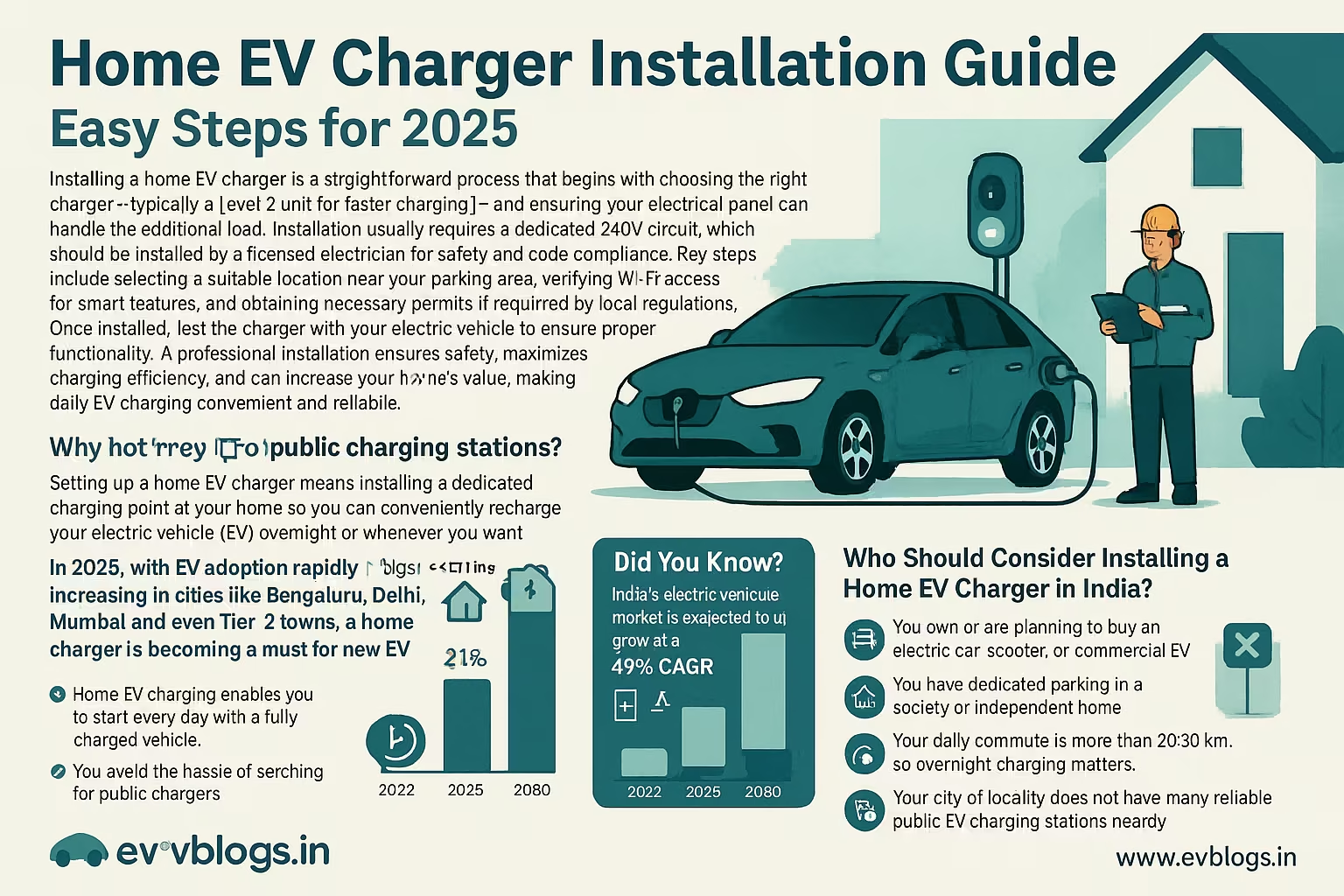
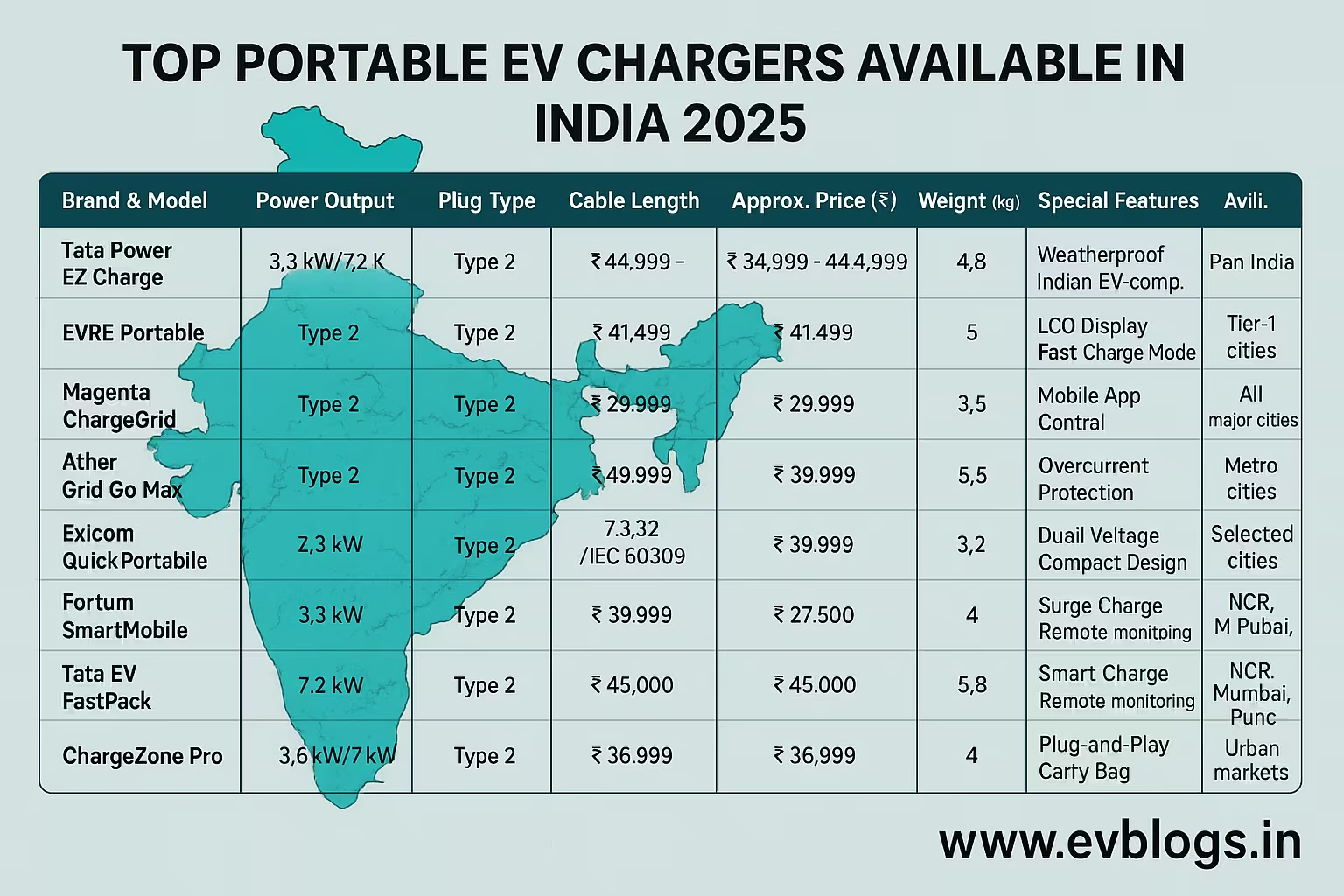
Q3: Can I install an electric vehicle charger at home?
Absolutely! Most manufacturers offer home installation packages; typical cost ranges from ₹40k–60k including hardware and wiring upgrades.
Q4: What is the lifespan of an electric car battery?
EV batteries usually last 7–10 years or 150,000+ km; most OEMs provide warranties covering this duration.
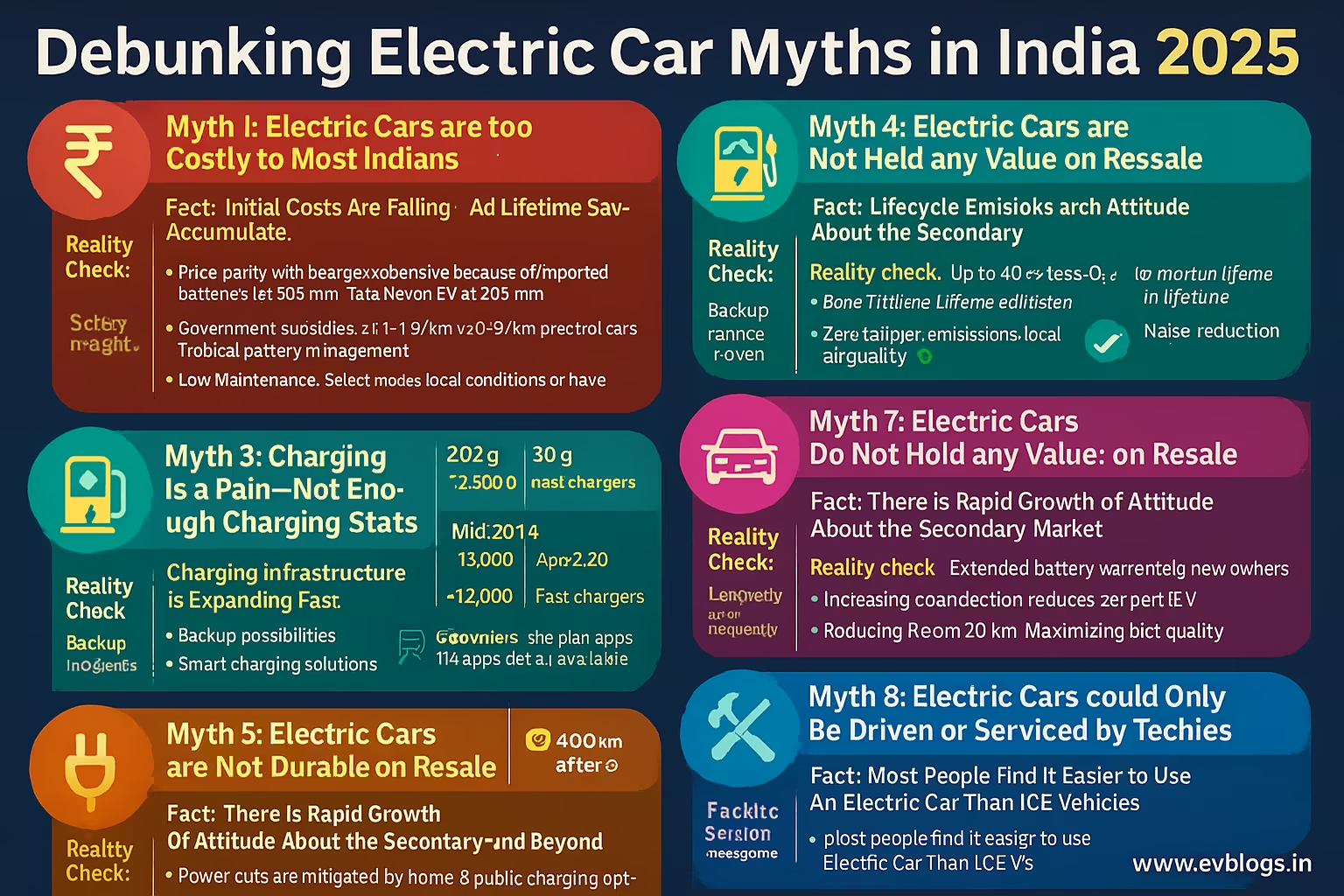
Q5: Will resale value be good for used electric vehicles?
Trends indicate rising demand; early data suggests higher value retention compared to ICE peers post-three years’ ownership due to lower running costs and tech improvements.
Q6: Which cities have the best charging infrastructure?
Delhi NCR, Mumbai MMR region, Bengaluru, Hyderabad and Pune currently have the densest networks—with at least one public charger per sq km in core areas as per CEEW survey Jan ‘25.
Ready To Make The Switch? Here’s Your Next Step!
Electric vehicles aren’t just a trend—they’re becoming mainstream transport solutions across Indian cities and towns alike. With tangible cost savings, robust government support, expanding infrastructure and strong insurer backing (as reflected in claim settlement ratios), there has never been a better time to consider making your next car or two-wheeler an EV.
Compare models carefully based on your needs—range, budget, insurance options—and don’t hesitate to contact local dealers or consult your insurer about tailored protection plans before making your decision!