
Hedhvick Hirav
Hedhvick Hirav is a dedicated EV researcher and editor with over 4 years of experience in India’s growing electric vehicle ecosystem. Their contributions have been recognized in leading sustainability publications and automotive journals.
Summarize & analyze this article with
Choose an AI assistant and open this article directly:
Tip: if the AI doesn’t fetch the page automatically, paste the article URL manually.
NEW DELHI, Nov 17 — Chinese electric vehicle (EV) manufacturer Nio has announced an ambitious plan to launch cars equipped with solid-state batteries capable of delivering a range of up to 1,000 kilometres (approximately 620 miles) on a single charge by 2026. This move is set to intensify competition in the global EV market and could have significant implications for the Indian automotive sector, which is rapidly embracing electric mobility.
1. Chinese Carmaker Sets Sights on 1,000km Electric Vehicles
The Chinese EV maker’s latest announcement marks a major milestone in battery technology. Vehicles fitted with solid-state batteries are expected to offer substantially greater range than those using conventional lithium-ion batteries. For Indian consumers, where range anxiety remains a key concern, such advancements could accelerate EV adoption.
“Solid-state battery technology is expected to double the driving range of current EVs,” according to industry experts.
2. What Are Solid-State Batteries and Why Are They Important?
Solid-state batteries replace the liquid electrolyte found in traditional lithium-ion batteries with a solid material, making them safer, lighter, and more energy dense.
Solid-state batteries can potentially reduce the risk of fire and extend battery lifespan by up to 50%.
For India, where climatic conditions and safety standards are crucial factors, solid-state technology promises a safer and more reliable EV experience, addressing some of the main barriers to mass adoption.
3. Implications for India’s EV Market
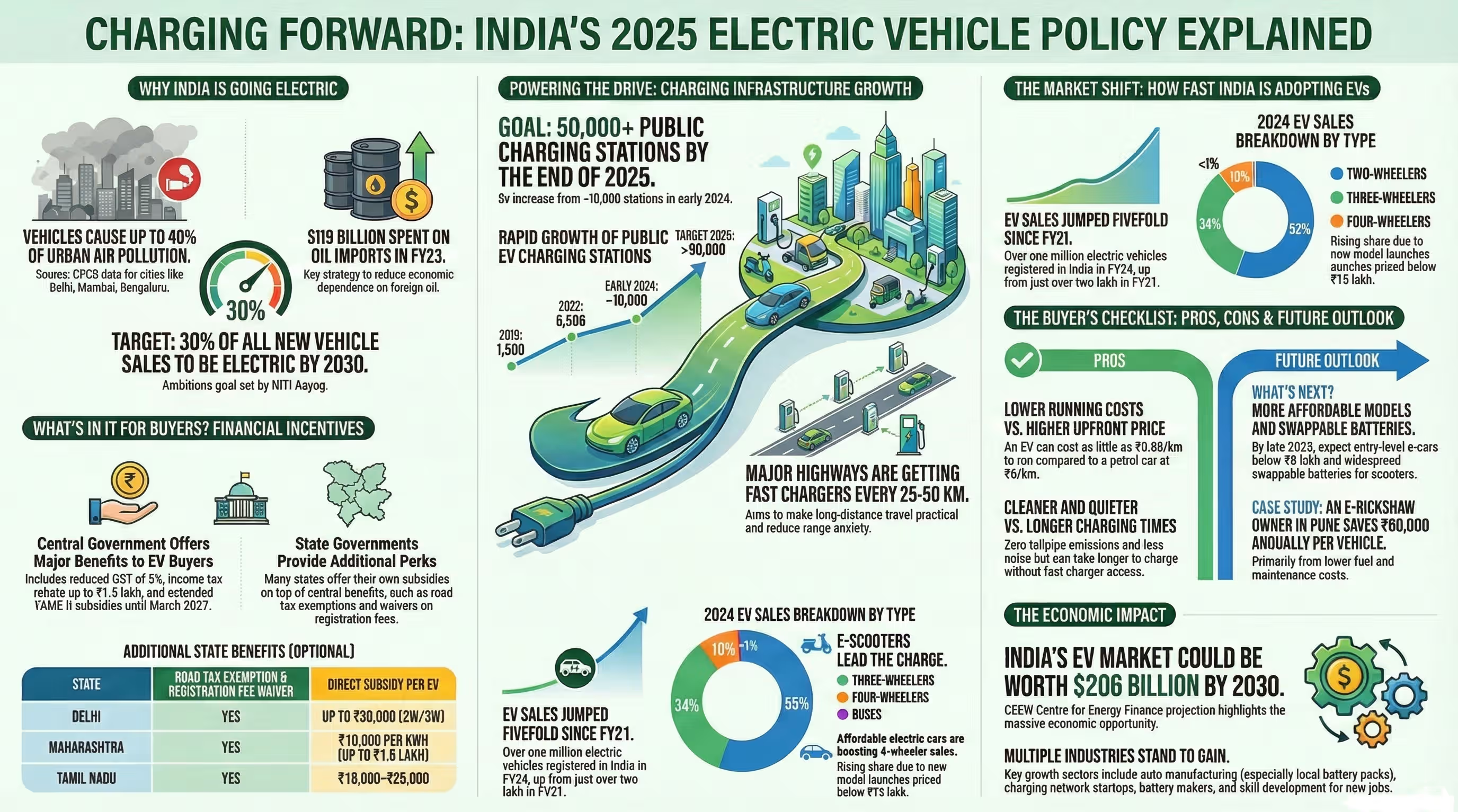
India’s EV market is growing steadily, with the government targeting 30% electric vehicle penetration by 2030. The introduction of 1,000km-range EVs could be a game-changer, especially for intercity travel and logistics.
In FY2023, electric car sales in India grew by over 150% year-on-year, reflecting increasing consumer interest.
If Chinese manufacturers proceed with their plans to enter the Indian market, domestic automakers may need to accelerate their own innovation efforts to keep pace.
4. Potential Impact on Charging Infrastructure
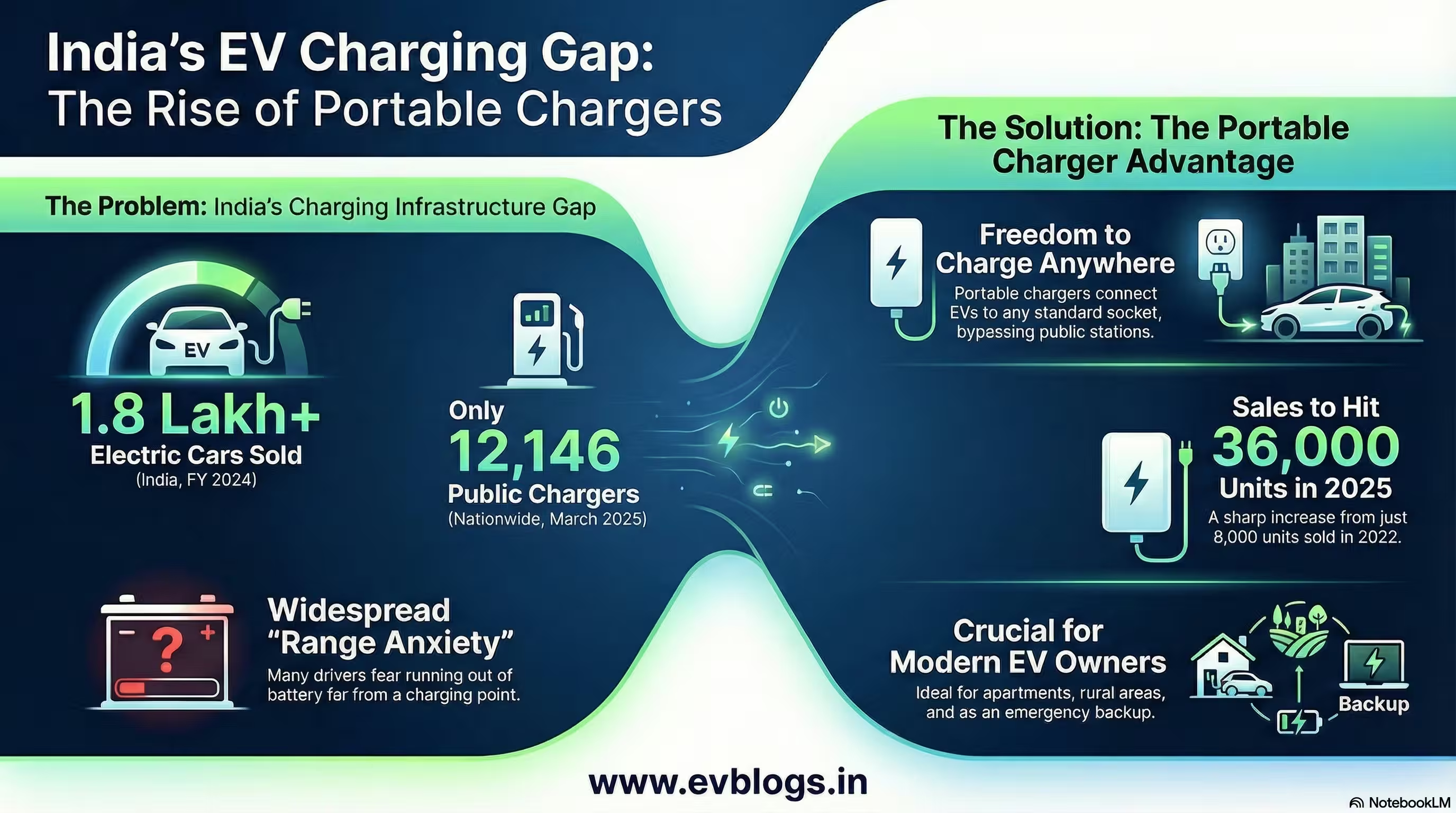
A longer driving range means less frequent charging, reducing the pressure on India’s nascent public charging infrastructure. This could be particularly beneficial in tier-2 and tier-3 cities, where charging stations are still scarce.
“Extended range vehicles alleviate the current limitations posed by India’s limited charging network,” notes an EV industry analyst.
However, high-capacity batteries may require upgraded charging points capable of handling increased power loads, necessitating new investments.
5. Competitive Pressure for Indian Manufacturers
Major Indian automakers like Tata Motors and Mahindra & Mahindra have made significant strides in the EV segment, but the introduction of advanced solid-state battery vehicles from Chinese competitors could intensify the competitive landscape.
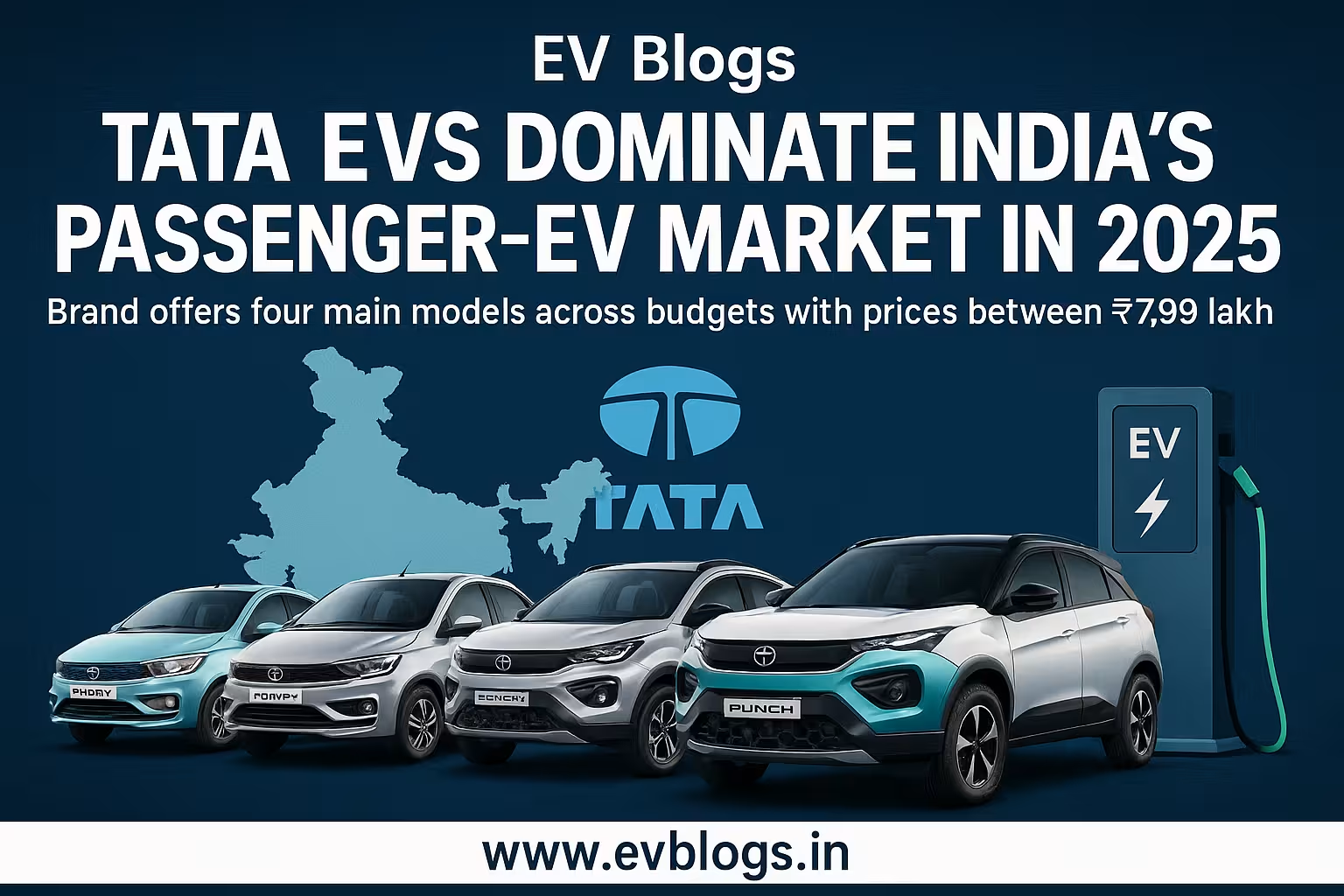
Tata Motors currently leads the Indian EV market with over 70% share in electric passenger vehicles.
To maintain their lead, Indian firms may need to increase investment in research and development and potentially explore partnerships for battery technology.
6. Cost and Accessibility Challenges
While solid-state batteries offer numerous advantages, initial costs are expected to be high. This could limit the accessibility of such EVs in price-sensitive markets like India, at least in the early stages.
Industry estimates suggest that solid-state battery EVs may initially cost 20-30% more than current models.
Over time, as production scales and technology matures, these costs are expected to decrease, making the technology more accessible to Indian consumers.
7. Prospects for Indian Consumers
If Chinese carmakers succeed in introducing their 1,000km EVs to India, consumers could benefit from longer range, enhanced safety, and lower maintenance costs. These advantages align with the needs of India’s diverse and growing EV customer base, potentially accelerating the transition to electric mobility across the country.
The planned launch of 1,000km solid-state battery EVs by a leading Chinese manufacturer signals a new era for the global and Indian EV markets. As technology advances and competition intensifies, Indian consumers and automakers alike stand to benefit from the innovations reshaping the future of transportation.
Sources
Original Source
google.com - Read original
Quotes
- Publishing Domain: google.com
- Published Date: 2025-11-17T13:30:00+05:30
- Original URL: Read original (news.google.com/rss/articles/CBMifkFVX3lxTE9KWXNZaGZibkxqc2UwaHVFWS1oLWlmc… …)
Editorial Check
- Originality: 30 / 100 — The summary is a near-verbatim repetition of the article title and does not provide additional context or unique phrasing.
- Helpfulness: 40 / 100 — The summary conveys the basic information that a Chinese EV maker plans to launch 620-mile solid-state battery cars in 2026, but lacks detail about the company, technology, or implications, limiting its usefulness.