
Summarize & analyze this article with
Choose an AI assistant and open this article directly:
Tip: if the AI doesn’t fetch the page automatically, paste the article URL manually.
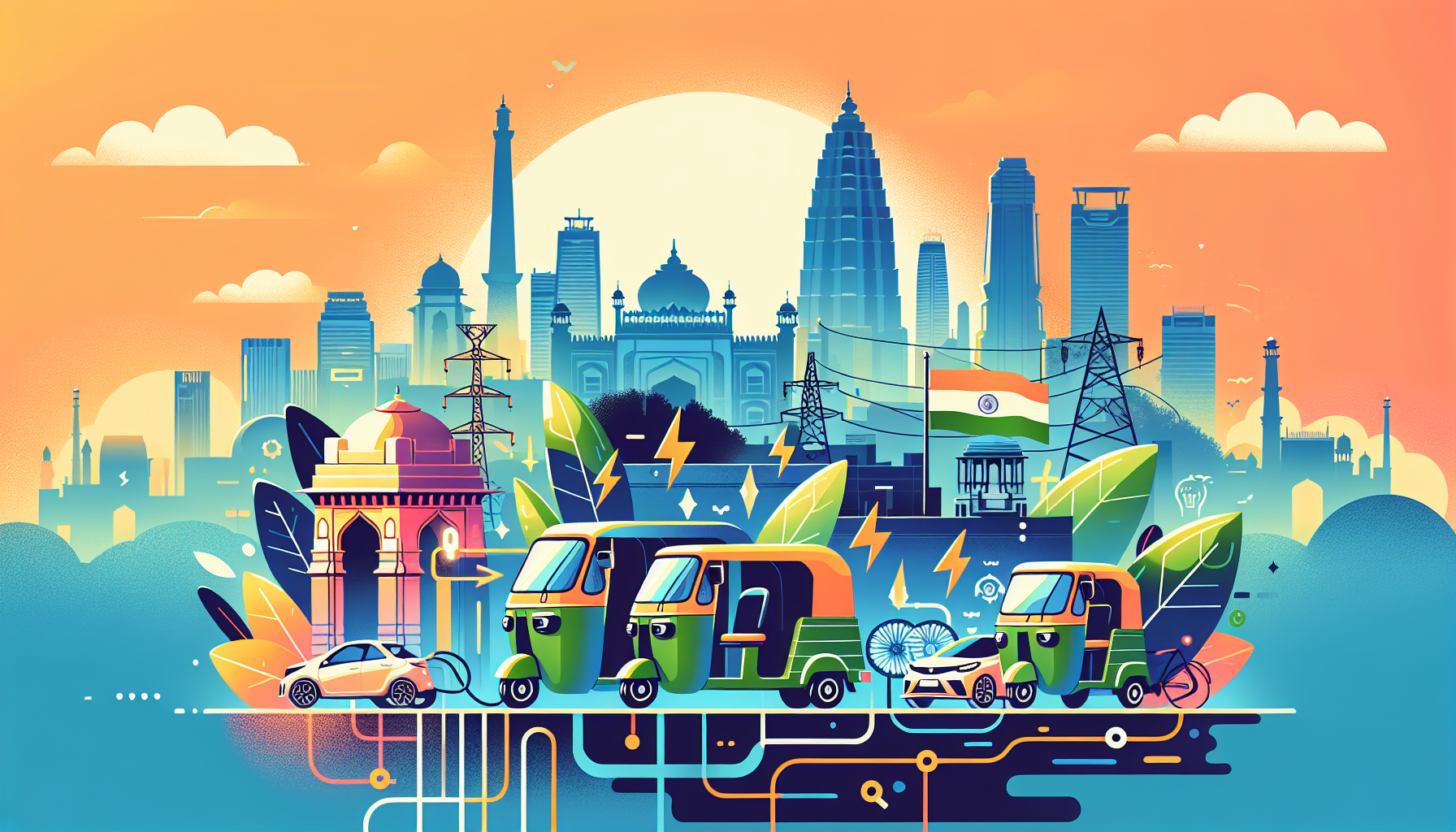
NEW DELHI, Apr 29 — The Government of India has announced plans to establish 190 electric vehicle (EV) charging stations across six major cities, marking a significant step towards strengthening the country’s electric mobility infrastructure. This initiative comes amid rising demand for EVs and the need for accessible charging solutions in urban centres. Here are the key aspects of this development:
1. Major Cities Targeted for EV Infrastructure Expansion
The government will roll out the new EV charging stations in Delhi, Mumbai, Bengaluru, Hyderabad, Ahmedabad, and Chennai. These cities have been chosen due to their high population density, rapid urbanisation, and existing demand for electric vehicles.
“Urban centres represent nearly 60% of India’s EV market, necessitating robust charging solutions.”
By focusing on these metropolitan areas, the government aims to boost confidence among current and prospective EV owners.
2. Addressing Range Anxiety Among EV Users
One of the primary hurdles to EV adoption in India is range anxiety, or the fear of running out of charge without access to a charging station. The installation of 190 new stations is expected to significantly alleviate such concerns.
According to the Ministry of Power, India had less than 2,000 public charging stations as of 2023, compared to over 1.5 million in China.
With more charging points, users can expect greater convenience and flexibility in planning their commutes.
3. Boosting the Electric Vehicle Ecosystem
The expansion of charging infrastructure is poised to support the entire EV ecosystem, including manufacturers, dealers, and service providers.
“A strong charging network is essential for the growth of India’s EV market, projected to reach 10 million units by 2030,” notes a recent industry report.
This move is expected to encourage more automakers to invest in electric models and related technologies.
4. Supporting India’s Clean Energy and Climate Goals
The government’s initiative aligns with its commitment to reduce carbon emissions and promote sustainable transport. EVs play a crucial role in the country’s target to achieve net-zero emissions by 2070.
India aims to have 30% of all vehicles on its roads electric by 2030.
The new charging stations will help accelerate the transition to cleaner transport options, reducing dependence on fossil fuels.
5. Encouraging Private Sector Participation
The government has also invited private companies and state agencies to collaborate in developing the EV charging network. This approach is expected to accelerate the deployment of charging points and bring in technological innovation.
“Public-private partnerships can rapidly scale up EV infrastructure, as seen in metro rail and highway projects,” said a senior official.
Such collaborations may include joint ventures, subsidies, and incentives for setting up charging stations.
6. Creating New Employment Opportunities
The scaling up of EV infrastructure will create job opportunities in installation, maintenance, and operations of charging stations. Local businesses and start-ups are likely to benefit from new contracts and service requirements.
Industry estimates suggest that EV infrastructure growth could generate over 50,000 jobs in the next five years.
This is expected to contribute positively to urban economies and the nation’s skilled workforce.
7. Challenges and the Road Ahead
While the move is promising, challenges such as land acquisition, power supply reliability, and standardisation of charging protocols remain. The government has acknowledged these hurdles and is working with stakeholders to address them.
The success of this initiative will depend on effective implementation, policy support, and consumer awareness.
Continued efforts will be required to scale the charging network to smaller cities and rural areas in the future.
The government’s plan to establish 190 EV charging stations across six key cities is a significant milestone in India’s journey towards sustainable transport. By tackling infrastructure gaps, encouraging collaboration, and supporting the growing EV market, this initiative is expected to fast-track the adoption of electric vehicles and contribute to the nation’s clean energy ambitions.
Sources
Original Source
google.com - Read original
Quotes
- Publishing Domain: google.com
- Published Date: 2026-04-29T22:52:00+05:30
- Original URL: Read original (news.google.com/rss/articles/CBMixAFBVV95cUxQNVJuS0owbzl5ZTk2aGY3UFZwUm5sW… …)
Editorial Check
- Originality: 10 / 100 — The summary is almost identical to the title and does not provide additional insights or unique phrasing beyond what is presented in the original article headline.
- Helpfulness: 20 / 100 — The summary only repeats the title and does not offer further details, context, or explanation about the government’s plan or the cities involved, limiting its usefulness to readers seeking more information.