
Hedhvick Hirav
Hedhvick Hirav is a dedicated EV researcher and editor with over 4 years of experience in India’s growing electric vehicle ecosystem. Their contributions have been recognized in leading sustainability publications and automotive journals.
Summarize & analyze this article with
Choose an AI assistant and open this article directly:
Tip: if the AI doesn’t fetch the page automatically, paste the article URL manually.
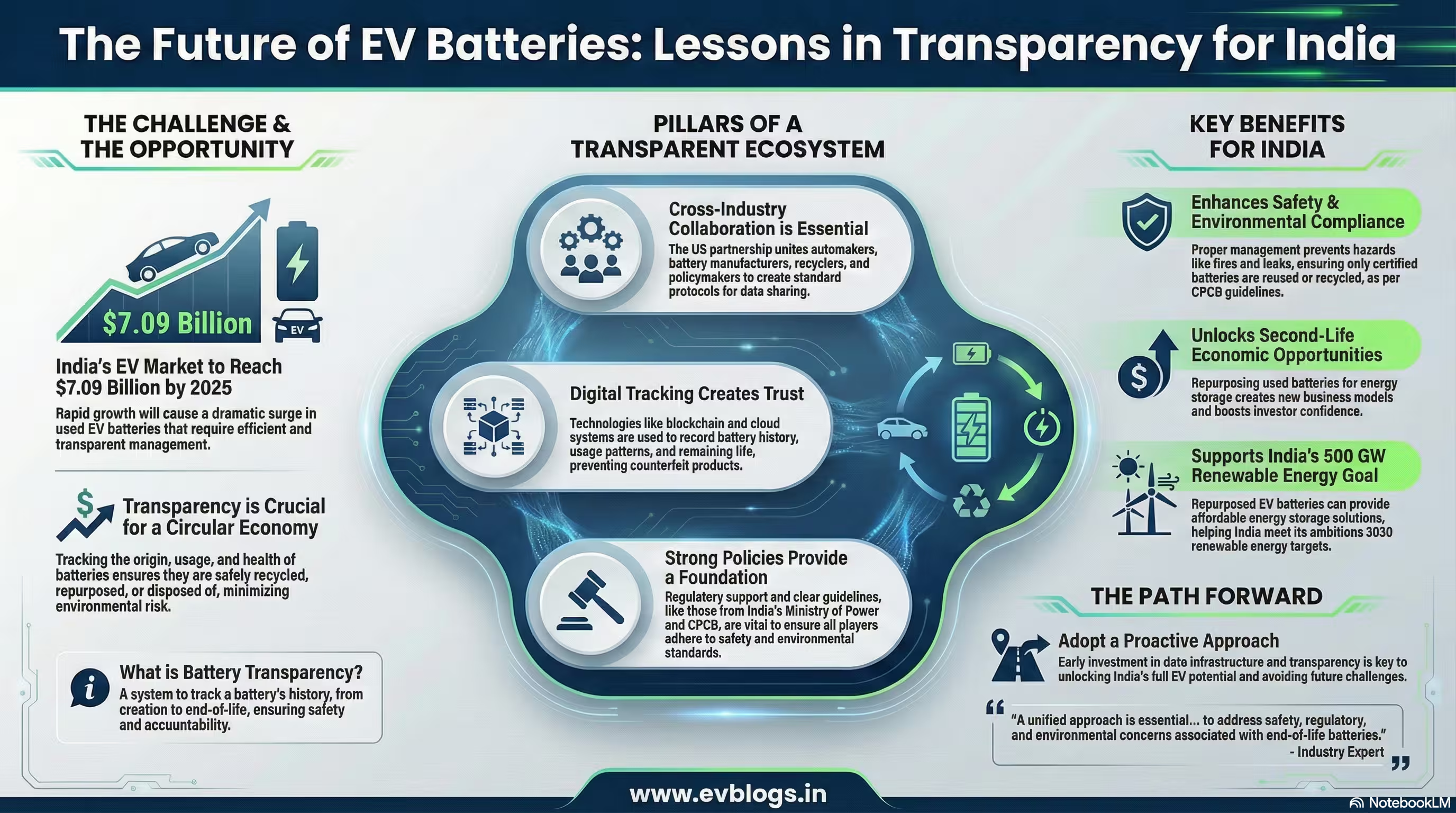
NEW DELHI, Dec 22 — As electric vehicles (EVs) gain momentum globally, the issue of managing used EV batteries has taken centre stage. The United States is witnessing a significant expansion of the Used EV Battery Transparency Partnership, a collaborative initiative aimed at enhancing transparency, safety, and sustainability in the battery lifecycle. This development offers important lessons for India, where EV adoption is poised to accelerate in the coming years.
1. Growing Need for EV Battery Lifecycle Transparency
With the rise in electric vehicle sales, the volume of used EV batteries is set to increase dramatically. Battery transparency initiatives are crucial to track the origin, usage, and health of these batteries throughout their lifecycle.
According to industry estimates, India’s EV market is expected to reach $7.09 billion by 2025, leading to a surge in used batteries requiring efficient management.
Transparent tracking ensures that batteries are either safely recycled, repurposed, or disposed of, reducing environmental risks and supporting a circular economy.
2. Collaboration Among Stakeholders
The Used EV Battery Transparency Partnership in the US brings together automakers, battery manufacturers, recyclers, and policymakers. Such collaborations facilitate the creation of standard protocols for battery data sharing and management.
“A unified approach is essential to address safety, regulatory, and environmental concerns associated with end-of-life batteries,” highlights an industry expert.
In India, similar partnerships would be vital, considering the fragmented nature of the automotive sector and the growing number of EV manufacturers.
3. Advancements in Digital Tracking Technologies
Digital tools play a key role in enabling battery transparency. The US initiative is leveraging blockchain and cloud-based systems to record and share vital information about battery history, usage patterns, and remaining life.
A recent report notes that digital tracking can reduce inefficiencies and prevent counterfeit batteries from entering the market.
India’s robust IT sector can contribute significantly to developing such platforms, ensuring traceability and trust in the EV ecosystem.
4. Enhancing Safety and Environmental Compliance
Proper management of used EV batteries is critical to prevent safety hazards such as fires, leaks, or improper disposal. The US programme emphasizes strict compliance with safety and environmental standards through transparent reporting.
The Central Pollution Control Board (CPCB) in India has already issued guidelines for battery waste management, underscoring the importance of robust monitoring systems.
Transparent practices ensure that only safe, certified batteries are reused or recycled, supporting both consumer safety and environmental goals.
5. Economic Opportunities in Battery Second-Life Applications
Repurposing used EV batteries for stationary energy storage or backup power systems represents a significant economic opportunity. Transparency in battery health and performance data enables businesses to confidently invest in these second-life applications.
India’s renewable energy targets—500 GW by 2030—will benefit from affordable storage solutions using repurposed EV batteries.
A transparent ecosystem boosts investor confidence and supports the growth of ancillary industries around battery reuse.
6. Policy Implications and Regulatory Support
The expansion of the transparency initiative in the US is supported by evolving policy frameworks that mandate data sharing and responsible battery handling. For India, aligning policies with global best practices can accelerate the adoption of similar transparency measures.
The Ministry of Power recently emphasised the need for clear guidelines on battery recycling and repurposing.
Strong regulatory backing ensures that all industry players adhere to best practices, safeguarding both the public and the environment.
7. Lessons for India’s EV Ecosystem
The US experience offers valuable insights for India’s emerging EV market. Adopting a proactive approach to battery transparency will help India avoid future challenges and establish itself as a leader in sustainable mobility.
“Early investment in transparency and data infrastructure is key to unlocking India’s EV potential,” suggest industry observers.
By fostering collaboration, embracing digital solutions, and strengthening regulations, India can build a robust framework for used EV battery management.
As the Used EV Battery Transparency Partnership expands across the US, its progress underscores the importance of transparent, collaborative, and technology-driven approaches to sustainable battery management. For India, timely adoption of similar practices will be crucial in ensuring the long-term success and safety of its EV revolution.
Sources
Original Source
google.com - Read original
Official Sources
- Intergovernmental Panel on Climate Change (IPCC): IPCC opens registration of experts to review the first draft of the Methodology Report on Inventories for Short-lived Climate Forcers
Quotes
- Publishing Domain: google.com
- Published Date: 2025-12-22T18:30:00+05:30
- Original URL: Read original (news.google.com/rss/articles/CBMia0FVX3lxTFA3Tm9YemphMnhEUjhHQnR3aUJDWDB3T… …)
Editorial Check
- Originality: 15 / 100 — The summary is nearly identical to the title and does not add new information or unique phrasing. It is not original.
- Helpfulness: 5 / 100 — The summary provides minimal information, simply repeating the title without context or details about the partnership or its expansion. It is not helpful for readers seeking to understand the news.