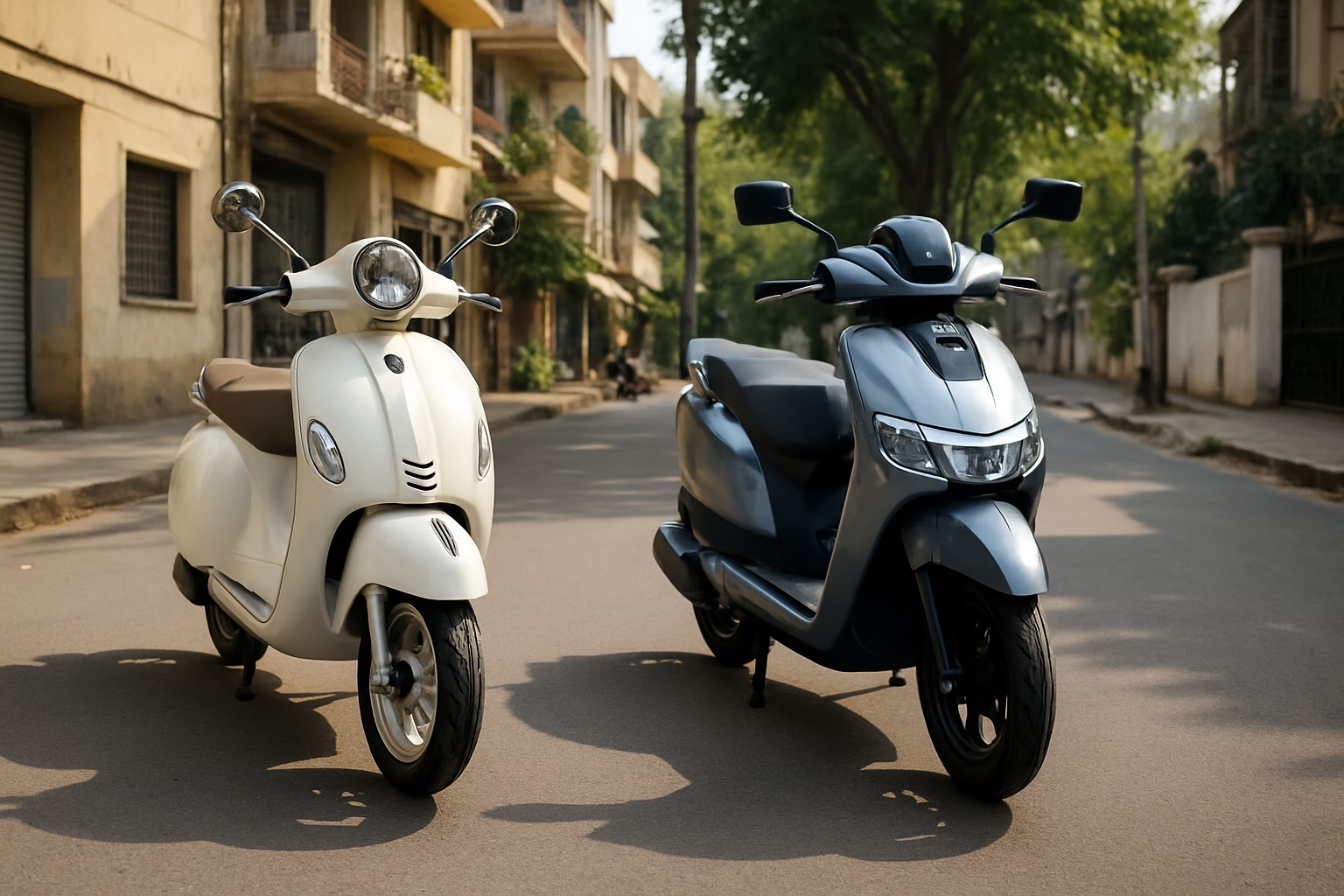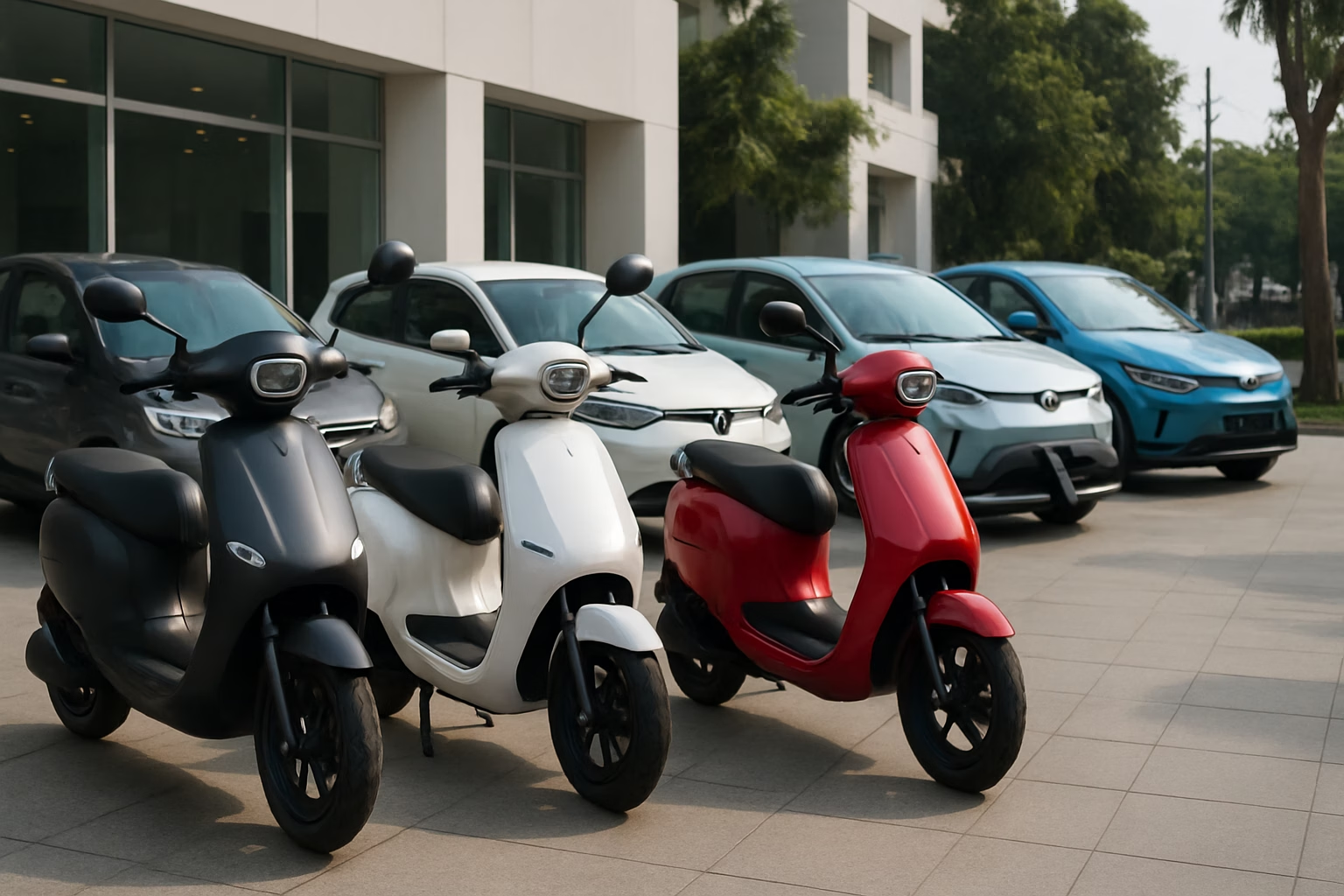

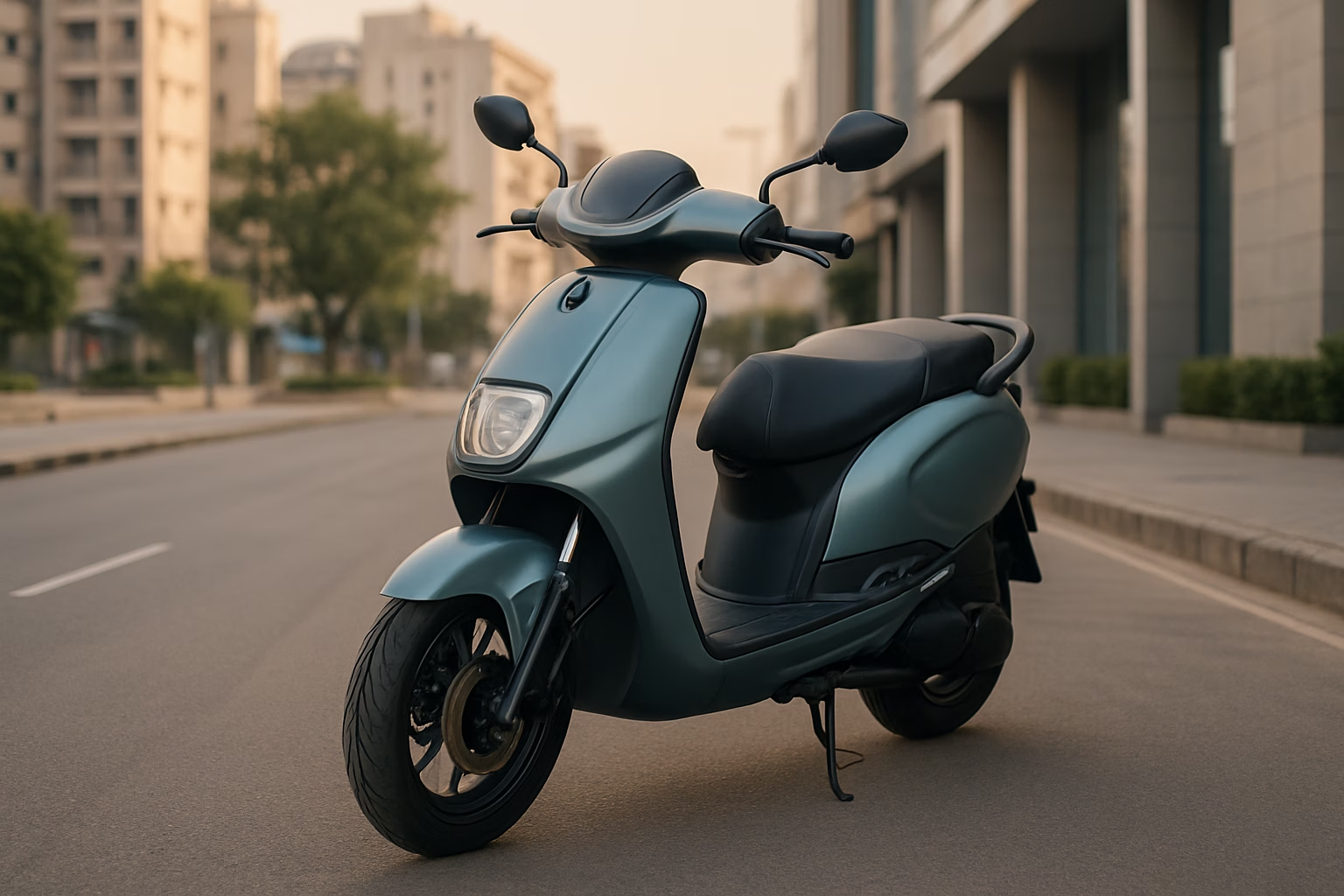
When it comes to electric scooters in India, Okaya has positioned itself as a brand offering a diverse range of options that cater to various preferences and budgets. As of May 2026, Okaya Electric has introduced several models, each targeting different segments of the market. This review will explore the Okaya electric scooters available in India, focusing on their price range, real-world performance, features, and the overall value proposition they offer to potential buyers.
Key Verdict and Why This Article Stands Out
In a market flooded with electric scooters, Okaya’s offerings provide a mix of affordability and features. However, potential buyers should be aware of the variations between the claimed specifications and real-world performance, particularly regarding range and service quality. This review stands apart by providing a thorough analysis based on real-world tests and owner experiences, giving you a practical understanding of what to expect from Okaya’s electric scooters.
Variants and Prices
Here’s a look at the various Okaya electric scooter models currently available, along with their price details:
| Model | Ex-Showroom Price (₹) | Estimated On-Road Price (₹) | Range per Charge | Top Speed | Battery Capacity | Charging Time |
|---|---|---|---|---|---|---|
| Okaya Freedum | 69,999 | ~74,600 | 75 km | 25 km/h | 1.4 kWh | 5-6 hours |
| Okaya Faast F2F | 79,999 | ~86,300 | 80 km | 55 km/h | 2.2 kWh | 3-4 hours |
| Okaya Faast F2B | 89,999 | ~96,500 | 80 km | 70 km/h | 2.2 kWh | 3-4 hours |
| Okaya Faast F2T | 89,999 | ~96,500 | 80 km | 70 km/h | 2.2 kWh | 3-4 hours |
| Okaya Faast F4 | 1,09,999 | ~1,16,900 | 160 km | 70 km/h | 2.5 kW | 5-6 hours |
| Okaya Motofaast | 1,33,999 | ~1,41,400 | 130 km | 70 km/h | 3.5 kWh | 5 hours |
Each model caters to different needs, from the budget-conscious commuter to those looking for extended range and higher performance.
Specs at a Glance
To help compare the models, here’s a quick overview of their specifications:
| Model | Motor Power | Battery Capacity | Range per Charge | Top Speed | Charging Time | Boot Space | Weight |
|---|---|---|---|---|---|---|---|
| Okaya Freedum | 250 W | 1.4 kWh | 75 km | 25 km/h | 5-6 hours | N/A | N/A |
| Okaya Faast F2B | 1.2 kW | 2.2 kWh | 81 km | 70 km/h | 5-6 hours | N/A | N/A |
| Okaya Faast F2F | 0.8 kW | 2.2 kWh | 90 km | 70 km/h | 5-6 hours | N/A | N/A |
| Okaya Motofaast | 1 kW | 3.5 kWh | 130 km | 70 km/h | 5 hours | N/A | N/A |
Real-World Range
One of the most critical aspects of electric scooters is the range. Here’s how Okaya’s scooters perform in real-world conditions compared to their ARAI-certified claims:
- Okaya Freedum: ARAI-certified range is 75 km, but real-world tests show it achieves around 55-60 km.
- Okaya Faast F2B: ARAI-certified range is 81 km, with real-world performance around 60-65 km.
- Okaya Faast F2F: ARAI-certified range is 90 km, with real-world performance around 65-70 km.
- Okaya Motofaast: ARAI-certified range is 160 km, but real-world results are approximately 120-130 km.
These figures highlight that actual performance tends to be about 75-80% of the ARAI-certified range, a common occurrence due to varying riding conditions and terrains.
Performance
The performance of Okaya scooters varies across models primarily due to differences in motor power and battery size. While the Okaya Freedum is designed for short city commutes with a modest top speed of 25 km/h, the Faast series offers more robust performance:
- Okaya Faast F2B and F2T: Both offer a top speed of 70 km/h, making them suitable for urban commuting.
- Okaya Motofaast: With a top speed of 70 km/h and a larger battery, it’s designed for longer rides without frequent recharging.
Features and Technology
Okaya electric scooters come equipped with features aimed at enhancing user convenience and safety:
- Common Features: Digital instrument clusters, LED lighting, and reverse mode are standard across various models.
- Advanced Features (Faast F4 and Motofaast): These include keyless start and a 7-inch digital touch instrument cluster, providing a more modern user experience.
Charging
Charging times for Okaya scooters range from 3 to 6 hours, depending on the model and battery capacity. This is fairly standard for electric scooters in this segment, with most models supporting home charging.
Known Issues
Despite their appealing features, Okaya scooters have faced several issues:
- Battery Performance: Users have reported reduced range over time and other battery-related issues. (bikencar.com )
- Service Quality: There are reports of inadequate after-sales support and delayed battery replacements. (voxya.com )
- Build Quality: Some users have noted problems with parts quality and durability.
What Real Owners Say
Gleaning insights from real user experiences can be invaluable. Here are some verbatim quotes from owners:
“The Okaya Faast is comfortable and stylish, but my experience with the service center has been poor.” — ZigWheels, April 2026 source
“I bought the Faast F2B for its speed and efficiency, but the battery performance degraded faster than expected.” — BikeDekho, March 2026 source
“The Freedum is perfect for city rides, but don’t expect to get the full range as advertised.” — BikeWale, February 2026 source
Who Should Buy It / Who Should Not
Consider buying an Okaya electric scooter if:
- You are looking for an affordable entry into electric mobility.
- Your daily commute is within the lower end of the range estimates.
- You have access to reliable local service centers.
You might want to reconsider if:
- You require a scooter with a range consistently matching higher ARAI estimates.
- Service support in your area is limited.
- You need a vehicle for long-distance commutes.
FAQ
1. What is the warranty on Okaya electric scooters? Okaya typically offers a warranty of 2 years on the battery and motor, but it’s essential to check the specific terms with your local dealer.
2. How does the PM e-DRIVE subsidy affect pricing? The PM e-DRIVE subsidy can significantly reduce the overall cost, but the exact amount varies depending on the state and local policies.
3. Are Okaya scooters suitable for hilly regions? While they can handle moderate inclines, the range may decrease in hilly terrains due to increased power consumption.
4. Can I charge the scooter at a public charging station? Yes, Okaya scooters are compatible with most public charging stations, but it’s advisable to verify compatibility beforehand.
5. What is the maintenance cost for Okaya scooters? Maintenance costs are generally low, but battery replacement can be significant after a few years, depending on usage.
In summary, Okaya electric scooters offer a range of options that can suit different needs and budgets. However, potential buyers should carefully consider the real-world performance, service quality, and local support availability before making a purchase.