
India’s electric vehicle (EV) market as of 2026 is in a transformative phase, marked by substantial growth and evolving consumer preferences. Having personally explored the latest statistics and trends, it’s clear that the landscape is rapidly shifting towards electrification across multiple vehicle segments. In this article, I’ll provide a detailed overview of the current state of EVs in India, highlighting key market statistics, trends, and what prospective buyers should consider.
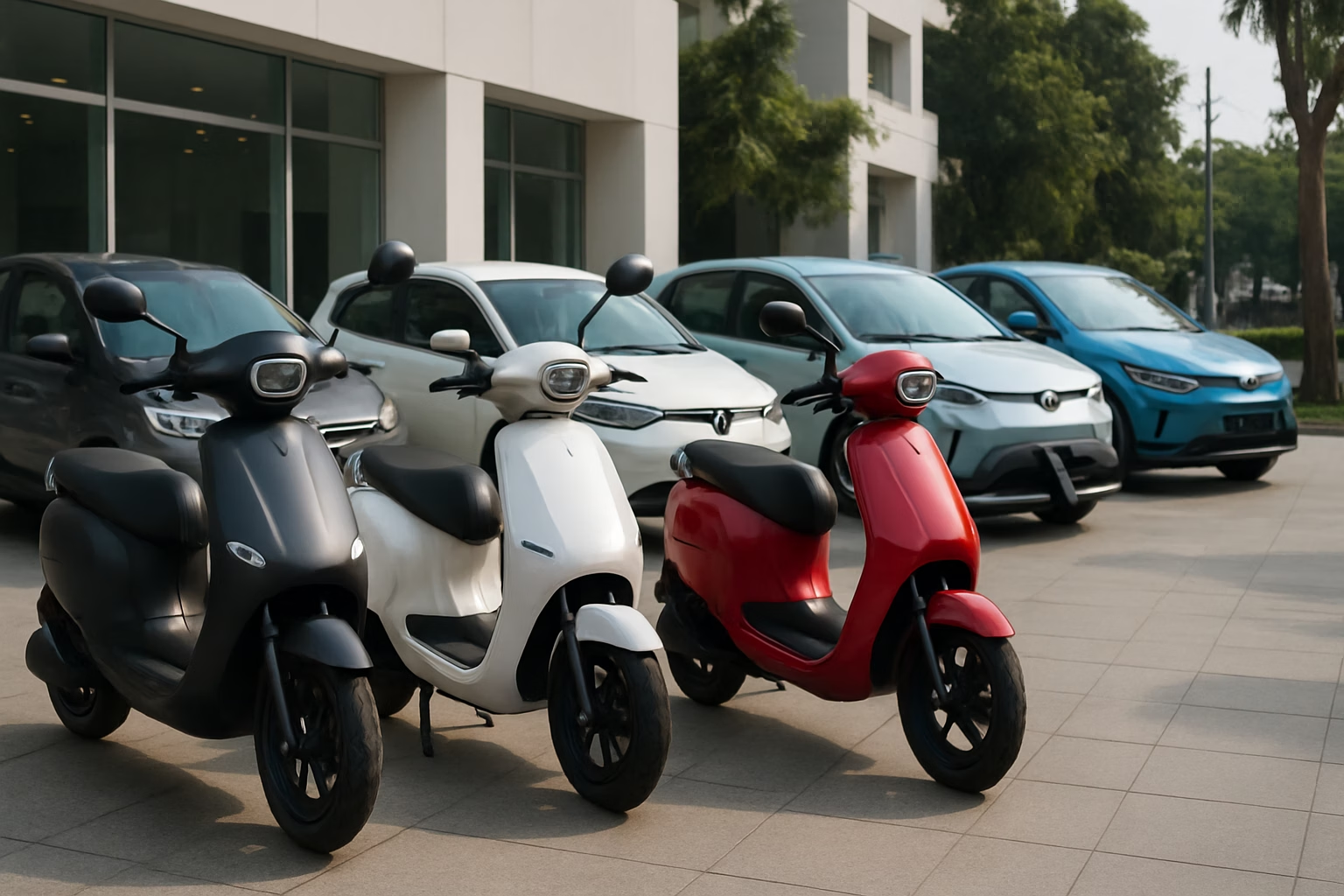
The Indian EV market has witnessed an impressive 25% growth in sales, reaching approximately 2.45 million units in the fiscal year 2025-2026 (FY2026) from 1.97 million units in FY2025. This growth is indicative of a broader shift towards sustainable mobility solutions, driven by technological advancements and supportive government policies. My analysis will cover the significant segments within the market, the expansion of charging infrastructure, and the implications for both current and prospective EV owners in India.
Market Overview and Sales Statistics
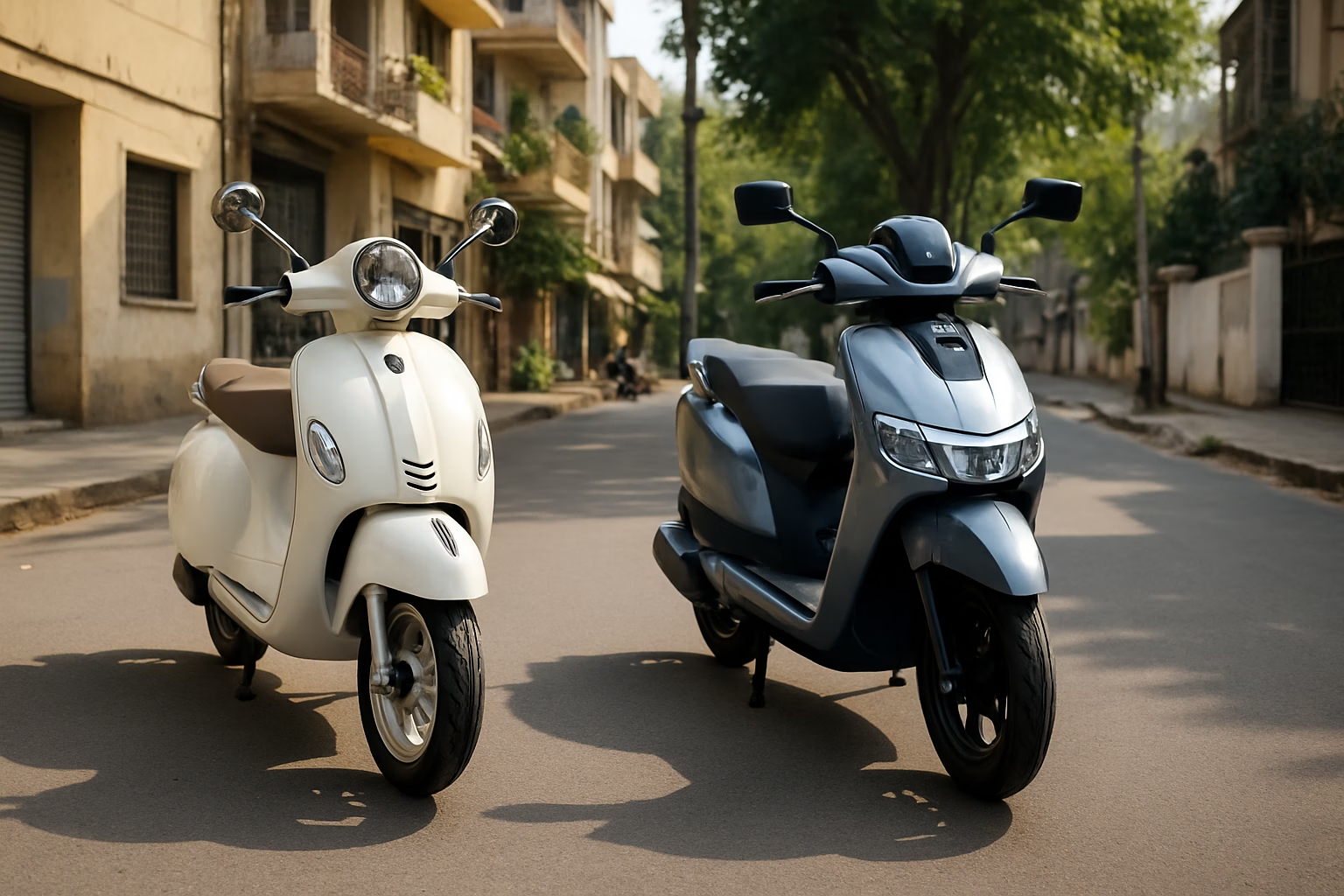
India’s EV market growth is primarily fueled by two key segments: electric two-wheelers (E2Ws) and electric passenger vehicles (EPVs). The E2W segment remains dominant, with 1.4 million units sold in FY2026, which constitutes 57% of total EV sales. This represents a 22% growth compared to the previous fiscal year, underscoring the affordability and practicality of E2Ws for the Indian consumer (source ).
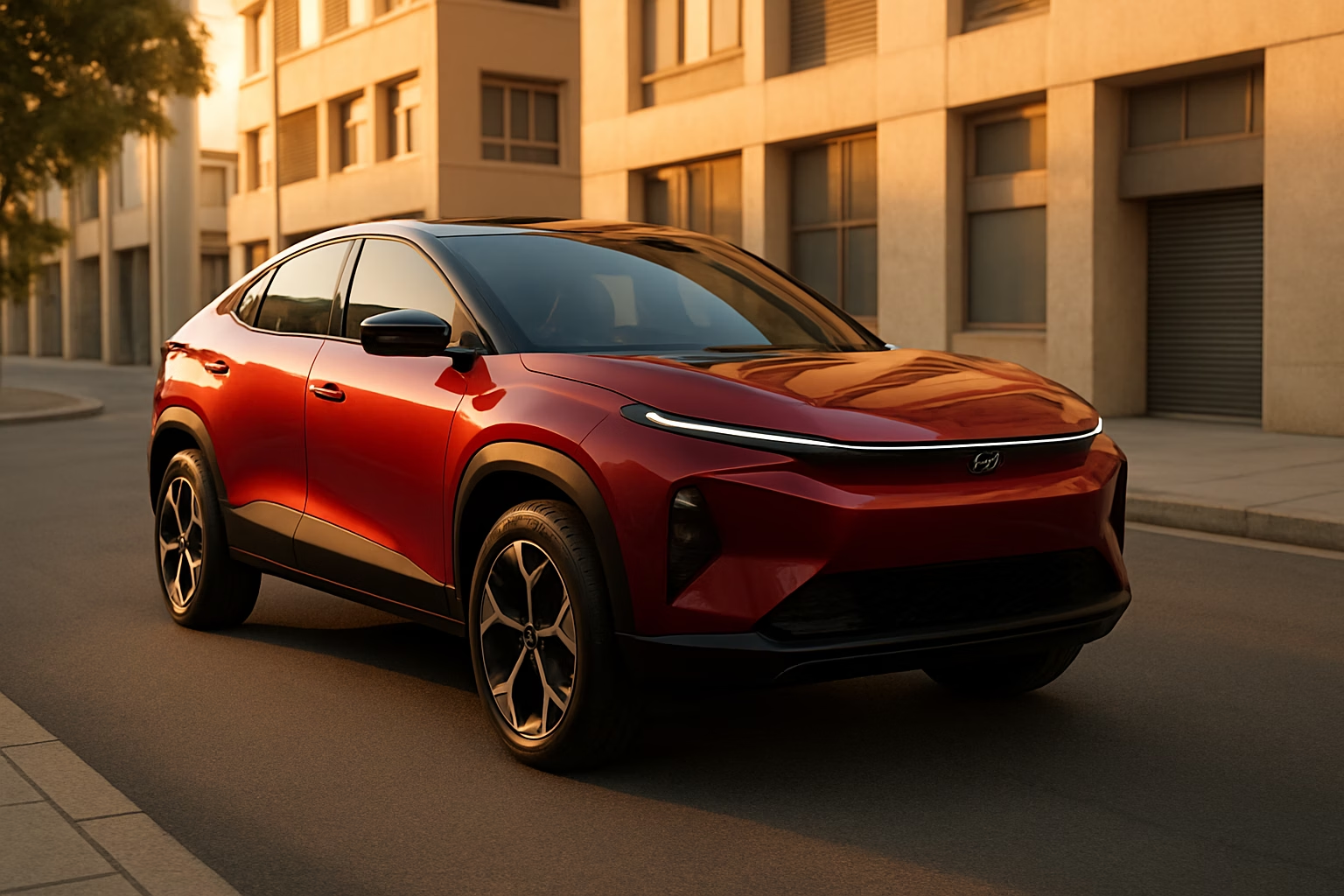
On the other hand, the EPV segment has experienced a remarkable surge, nearly doubling its sales to 199,923 units in FY2026 from 108,000 units in FY2025. This significant increase raised the EV market share in total passenger vehicle sales from 2.6% to 4.2% (source ).
Key Players in the EV Market
Leading the E2W segment is TVS Motor, which sold 341,471 units, capturing a 24% market share. Bajaj Auto and Ather Energy follow closely. However, Ola Electric has seen a decline in sales, a trend that could be attributed to various factors including consumer satisfaction and competitive pricing (source ).
In the EPV sector, Tata Motors leads with 77,658 units sold, securing a 39.2% market share. The next significant players are MG Motor India and Mahindra & Mahindra, with 52,408 and 42,006 units respectively (source ).
Trends and Market Dynamics
One notable trend is the shift towards the mid-market segment, specifically the ₹20–30 lakh price bracket, which now accounts for 35.7% of EV sales, up from 24% in the previous year. This indicates a growing consumer preference for more premium models that offer enhanced features and performance. Conversely, the sub-₹10 lakh segment’s share has declined, reflecting a shift in consumer purchasing power and expectations (source ).
Charging Infrastructure Expansion
As of December 2025, India boasts 29,151 public charging stations, with Karnataka leading the charge with 6,096 stations. This infrastructure development is critical for supporting the growing number of EVs and reducing range anxiety among potential buyers (source ).
Real-World Range and Performance
A common concern among EV owners is the discrepancy between ARAI-certified ranges and real-world performance. For example, the Tata Punch EV is ARAI-certified for a range of 464 km. However, real-world tests show that in city driving with air conditioning, it achieves around 260–300 km, while highway driving at speeds of 80–100 km/h yields 220–260 km. Mixed driving conditions typically result in 240–280 km. These figures represent about 60–75% of the certified range, highlighting the need for prospective buyers to consider real-world conditions when evaluating EV range (source ).
Ex-Showroom Prices and On-Road Costs
Here’s a look at some popular electric cars in India in 2026, along with their ex-showroom prices:
| Model | Ex-Showroom Price (₹) |
|---|---|
| Maruti Suzuki e Vitara | 15.99 - 20.01 Lakh |
| Tata Punch EV | 9.69 - 12.59 Lakh |
| Tata Tiago EV | 7.99 - 11.14 Lakh |
| Mahindra BE 6 | 18.90 - 28.49 Lakh |
| Mahindra XEV 9e | 21.90 - 31.25 Lakh |
These prices exclude additional expenses such as road tax, registration fees, insurance, and optional accessories, which vary by state and city. For instance, the Mahindra XEV 9e’s ex-showroom price ranges from ₹21.90 lakh to ₹31.25 lakh, with road tax ranging from 8% to 12% of the ex-showroom price (source ).
Known Issues and Owner Feedback
Despite the positive trends, some challenges persist within the Indian EV market. Battery performance remains a concern, with reports of degradation over time. The charging infrastructure, although expanding, still faces reliability issues, particularly in rural areas. Additionally, the nascent stage of EV service networks can lead to longer wait times for maintenance and repairs. Real owners have expressed these concerns on platforms like ZigWheels and BikeDekho, emphasizing the need for improved service networks and reliable infrastructure.
Who Should Buy an EV in 2026?
- City Commuters: Ideal for those with a daily city commute, given the lower running costs and increasing availability of charging stations.
- Environmentally Conscious Buyers: Those prioritizing sustainability will benefit from the reduced emissions compared to traditional vehicles.
- Tech Enthusiasts: Individuals interested in the latest automotive technology and features will find modern EVs appealing.
Who Should Not Buy an EV in 2026?
- Long-Distance Travelers: Those requiring frequent long-distance travel might face challenges due to the current limitations in charging infrastructure.
- Rural Residents: Given the disparity in charging station distribution, residents in rural areas may find EV ownership inconvenient.
FAQs
1. What is the current growth rate of the EV market in India?
The EV market in India has grown by 25% in FY2026, reaching approximately 2.45 million units from 1.97 million in FY2025.
2. Which segment is leading the EV market in India?
Electric two-wheelers dominate the market, accounting for 57% of total EV sales with 1.4 million units sold in FY2026.
3. How does the real-world range of EVs compare to ARAI-certified figures?
Typically, real-world ranges are 60–75% of ARAI-certified figures, varying based on driving conditions and habits.
4. What are the main challenges for EV adoption in India?
Key challenges include battery performance, charging infrastructure reliability, and a developing service network.
5. Should I consider the ex-showroom or on-road price when buying an EV?
Both are important. The ex-showroom price is the base cost, while the on-road price includes taxes, registration, and insurance.
In conclusion, the state of electric vehicles in India in 2026 is one of rapid growth and transition towards more sustainable transportation. While challenges remain, the potential for further development and adoption is significant, making this an exciting time for both current and prospective EV owners.